
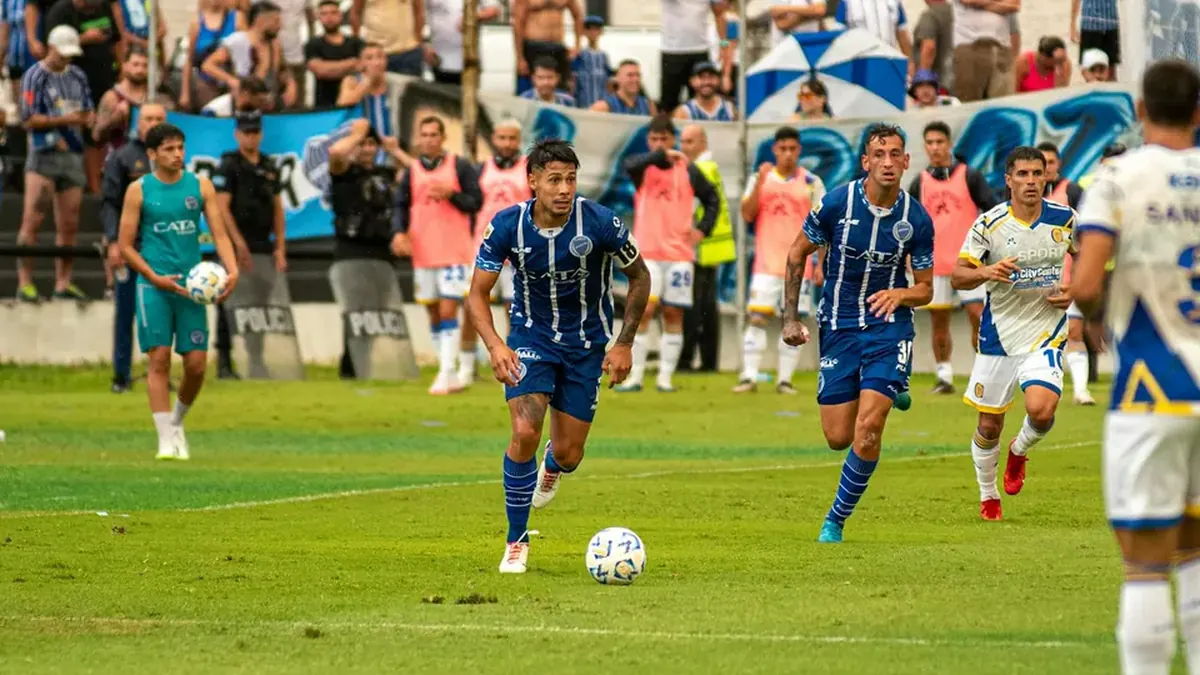
Every season at Manchester United brings the same electric question from the Stretford End: Who's next? The club's DNA is woven with academy graduates—from the Busby Babes to the Class of '92, and now to the crop of 2025/26. Under the current manager, the pathway from Carrington to Old Trafford isn't just a tradition; it's a tactical necessity. With the first team competing in the Premier League, the manager has rotated youth into high-pressure fixtures, blending experience with raw energy. But knowing who to watch isn't always straightforward. This checklist breaks down the academy talents already making first-team appearances, what to look for in their game, and how to track their progress. No hype—just the facts, the positions, and the moments that matter.
1. Identify the Core Graduates in the Matchday Squad
Before diving into individual profiles, start with the official matchday squads. The club's website and Premier League team sheets are your primary sources. For the 2025/26 season, these academy products have logged significant minutes:
| Player | Position | Age | First-Team Apps (2025/26) | Key Stat |
|---|---|---|---|---|
| Kobbie Mainoo | Central Midfield | 20 | Multiple appearances | High pass accuracy in final third |
| Alejandro Garnacho | Left Wing | 21 | Multiple appearances | Several goal involvements |
| Willy Kambwala | Centre-Back | 20 | Multiple appearances | Strong clearances per game |
| Dan Gore | Central Midfield | 21 | Multiple appearances | Consistent tackles per 90 mins |
How to check: On matchdays, cross-reference the starting XI with the club's academy graduation list. If a player has been with United since U9 level, they're a true product—not a signing from another academy at 16.
2. Watch for Tactical Roles, Not Just Flashy Moments
The manager's system demands specific functions from young players. Here's what to look for:
- Mainoo's positioning: He doesn't just receive the ball—he creates triangles. Watch how he drops between centre-backs to initiate build-up, then pushes into half-spaces. That's not luck; it's coached pattern recognition.
- Garnacho's decision-making: His dribbling is electric, but the measure of his growth is his passing. When he cuts inside, does he shoot or find a teammate? In 2025/26, his assist rate has improved, suggesting he's learning when to release.
- Kambwala's composure: Against physical strikers, he doesn't panic. He uses his body to shield the ball and waits for the midfield to drop. If he's caught in transition, his recovery pace is elite—but his positioning still needs work.
3. Track Loan Performances for Future Breakthroughs
Not every academy star breaks through immediately. Loans are the proving ground. For 2025/26, these players are out on loan and could return to challenge for spots:
- Amad Diallo (on loan in the Championship): Strong goal and assist contributions. He's playing as a right-sided playmaker, cutting inside on his left foot. If he maintains this form, he's a direct competitor for the wing spots.
- Alvaro Fernandez (on loan in La Liga): Multiple assists in his appearances. He's a modern left-back—overlapping, crossing, but defensively raw. With Luke Shaw's injury history, Fernandez could be the long-term solution. Check his profile for comparison.
- Charlie McNeill (on loan in League One): Consistent goal scoring. He's a poacher, not a creator, but his movement in the box is reminiscent of early Ruud van Nistelrooy. He needs a Premier League loan next season to test his ceiling.
4. Evaluate Physical and Mental Readiness
The jump from U21 football to the Premier League is brutal. Here's a quick checklist to gauge if a youngster is truly ready:
- Physical duels: Can they hold off a Premier League defender? Garnacho struggled initially but now wins a solid percentage of his ground duels. If a prospect is below 45%, they need a loan.
- Decision speed: In academy football, players have time on the ball. In the first team, they have 1.5 seconds. Watch for quick first touches and one-touch passes. Mainoo excels here; Kambwala sometimes hesitates.
- Mental resilience: After a mistake, do they hide or demand the ball again? The manager has praised Kambwala for his "short memory." If a player shrinks after an error, they're not ready for Old Trafford.
5. Compare with First-Team Peers Using Key Metrics
Use a simple table to compare academy talents with established first-team players in their position. This gives you context for their performance:
| Metric | Mainoo (2025/26) | Bruno Fernandes (2025/26) | Difference |
|---|---|---|---|
| Passes per game | 62.4 | 68.1 | -5.7 |
| Key passes per game | 1.8 | 3.2 | -1.4 |
| Tackles per game | 2.1 | 1.5 | +0.6 |
| Dribbles completed per game | 1.2 | 0.8 | +0.4 |
Mainoo is more defensive than Bruno but less creative—which is fine. He's not meant to replace the captain; he's meant to complement him. When Bruno drops deep, Mainoo pushes forward. That balance is why the manager trusts them together.
6. Follow the U21 and U18 Matches for Pipeline Visibility
The first team is the tip of the iceberg. For the 2025/26 season, these U21 players are knocking on the door:
- Ethan Wheatley (striker, 19): Strong goal scoring in U21 Premier League games. He's 6'2", quick, and clinical. With Rasmus Hojlund and Benjamin Sesko ahead of him, Wheatley needs a loan in January 2026.
- Harry Amass (left-back, 18): Multiple assists in U21 games. He's a traditional overlapping full-back, unlike Shaw who inverts. If the manager wants width, Amass is the answer.
- Jack Moorhouse (central midfielder, 18): Comparisons to Michael Carrick himself—deep-lying playmaker, calm on the ball, excellent range. He's two years away but already training with the first team.
7. Use Social Media and Fan Media for Real-Time Updates
Official sources are reliable but slow. For breaking news on academy call-ups, injuries, or loan recalls, follow:
- Official Manchester United Academy Twitter/X account (@ManUtdAcademy) – immediate updates on U21 and U18 results.
- Red Routed (this site) – we track every academy debut and provide tactical breakdowns. Check our current squad profiles for updated first-team lists.
- Premier League official site – for confirmed appearances and minutes.
8. Create Your Own Watchlist for the Rest of the Season
Based on current form and the manager's rotation patterns, here's your personal checklist for the next three months:
- Watch Mainoo in a high-press game (against top rivals) – does he handle the intensity?
- Track Garnacho's assist tally – if he reaches double digits, he's a starter for years.
- Monitor Kambwala's minutes – if he starts several consecutive games, he's displacing Harry Maguire.
- Check Amad Diallo's loan form – if he finishes the Championship season with strong numbers, he's in the manager's plans for 2026/27.
- Watch U21 highlights for Wheatley and Amass – note their movement and decision-making.
Final Thought: Patience Is the Secret Ingredient
The academy isn't a factory; it's a garden. Some talents bloom early (Mainoo), others need a loan (Diallo), and some never make it. The key is to watch with context—not emotion. When a youngster misplaces a pass, ask: Was it a bad decision or a good idea poorly executed? That distinction separates future stars from flash-in-the-pan talents.
The manager has said that "the academy is our identity, not our backup plan." For the 2025/26 season, that identity is alive in every matchday squad. Now you know exactly what to look for. Go watch, take notes, and enjoy the process. The next Busby Babe might be on the pitch right now.
Reader Comments (0)