
Note: The following article is an educational scenario-based analysis. All names, financial figures, and project timelines are hypothetical and used for illustrative purposes only. They do not represent real plans or confirmed data regarding Manchester United Football Club or Old Trafford.
Beyond the Stands: Quantifying the Local Community Benefits of an Old Trafford Renovation
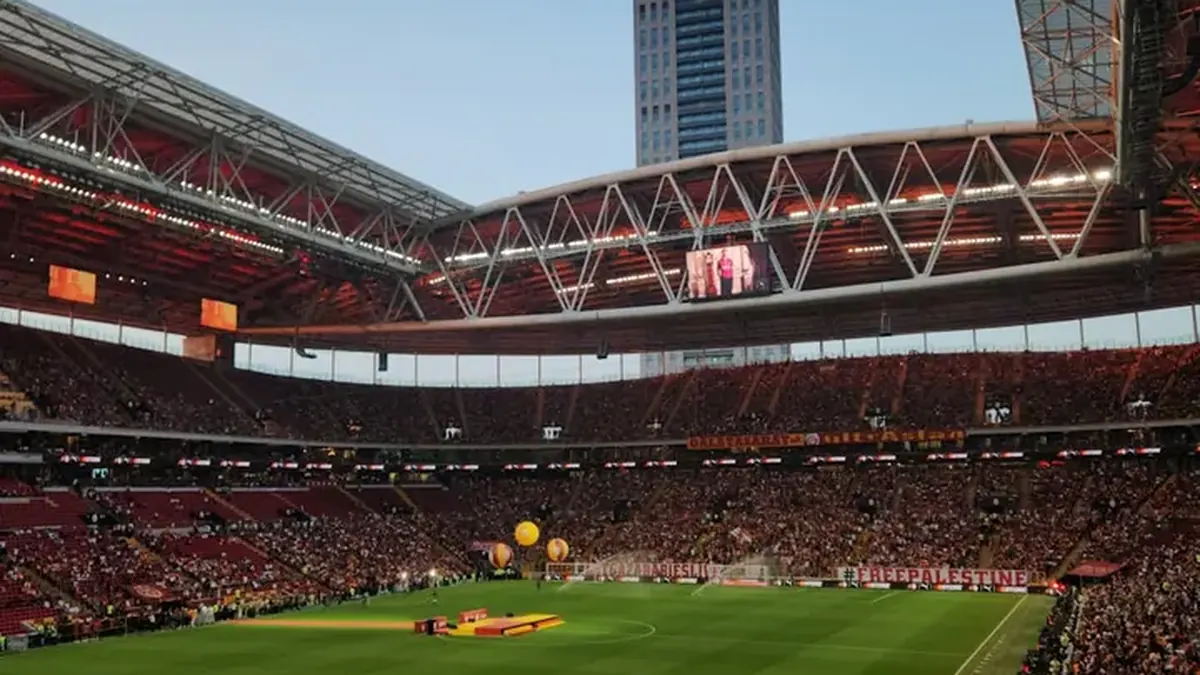
For decades, Old Trafford has been more than just a stadium; it has functioned as an economic and social anchor for the Trafford borough and the wider Greater Manchester region. The "Theatre of Dreams" draws hundreds of thousands of visitors annually, but its aging infrastructure has increasingly limited its capacity to serve as a catalyst for sustained local development. A hypothetical, large-scale renovation of the stadium—encompassing a north stand expansion, improved concourses, and enhanced public realm—presents a unique opportunity to move beyond match-day economics. This analysis examines how such a project could systematically deliver tangible benefits to the local community, transforming the stadium from a passive landmark into an active engine of urban regeneration.
The primary mechanism for community benefit lies in the creation of a permanent, year-round economic ecosystem. Currently, the stadium’s commercial activity is highly cyclical, peaking on 25–30 match days per season. A renovation would introduce new hospitality suites, a museum expansion, and conference facilities capable of hosting events 365 days a year. This shift from a mono-use to a multi-use venue would generate sustained demand for local services—from catering and security to retail and transportation. The table below outlines a hypothetical comparison of the economic impact before and after a major renovation.
| Impact Metric | Pre-Renovation (Current Baseline) | Post-Renovation (Projected) |
|---|---|---|
| Annual Match-Day Visitors | ~1.1 million | ~1.4 million (increased capacity) |
| Non-Match-Day Events (per year) | 50–70 (concerts, corporate events) | 150–200 (conferences, exhibitions, tours) |
| Direct Local Employment (FTE) | 800–1,000 (part-time match-day roles) | 1,500–1,800 (mix of full-time and part-time) |
| Annual Local Spending (GBP) | £40–50 million | £70–85 million |
These figures, while illustrative, highlight a fundamental principle: increased capacity and utilization lead to a multiplier effect on local spending. A significant portion of this expenditure would flow directly to small and medium-sized enterprises (SMEs) in the surrounding areas of Stretford, Old Trafford, and Salford Quays. Local pubs, restaurants, hotels, and transport providers would benefit from a more predictable and higher volume of foot traffic, reducing their reliance on the volatile match-day calendar.
Beyond direct economic spending, a renovation project would necessitate substantial infrastructure upgrades that serve the community long after the construction is complete. The hypothetical plan includes a redesigned public plaza on Sir Matt Busby Way, improved pedestrian access from the nearby Metrolink stops, and enhanced cycling infrastructure. These improvements are not merely cosmetic; they address long-standing issues of congestion and accessibility that have been a source of friction between the club and local residents. Furthermore, the club’s community foundation, Manchester United Foundation, could leverage the new facilities for its educational and social programs. A dedicated community hub within the renovated stadium could host workshops, youth training sessions, and health initiatives, directly serving the local population and strengthening the club’s social license to operate.
The construction phase itself would also inject significant capital into the local economy. A project of this scale would require a workforce of thousands, offering opportunities for local contractors, construction firms, and apprentices. By prioritizing local hiring and supply chains, the club could ensure that a substantial portion of the construction budget remains within the Greater Manchester economy. This approach aligns with the broader trend of "anchor institution" strategies, where large organizations deliberately use their procurement and employment power to benefit their immediate geographical area. Finally, the long-term property value uplift in the surrounding residential and commercial zones cannot be ignored. As the area becomes more attractive due to improved amenities and footfall, local homeowners and businesses could see a material increase in asset values, creating a lasting legacy of wealth creation for the community.
In conclusion, a comprehensive renovation of Old Trafford should be evaluated not solely as a sporting or commercial project, but as a significant piece of urban infrastructure with profound potential for local regeneration. The benefits—from direct job creation and increased local spending to improved public realm and community programming—are interdependent and self-reinforcing. For further context on the broader infrastructure context, readers can explore the overview of Old Trafford infrastructure plans, see concept images of the renovation, and understand the historical trends in ticket pricing that underpin the business case. The ultimate success of such a venture will depend on the club’s ability to execute a vision that balances commercial ambition with a genuine, long-term commitment to the community that has sustained it for over a century.
Reader Comments (0)