
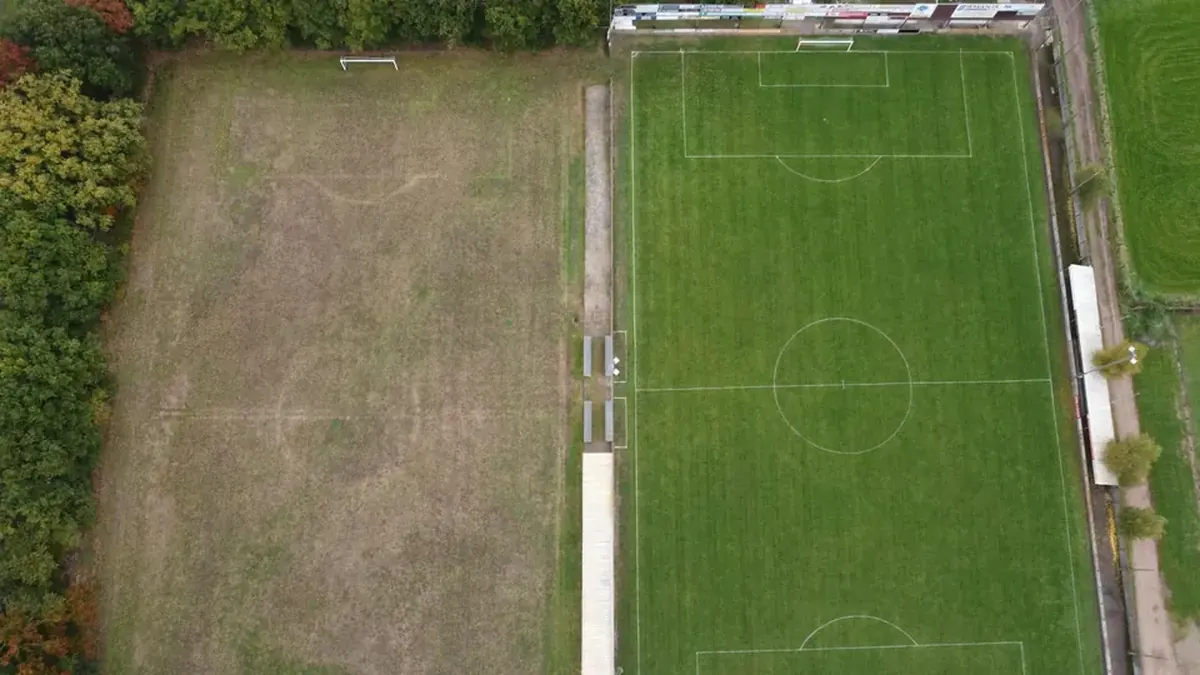
Since its inauguration in 1910, Old Trafford has served as more than merely the home of Manchester United Football Club. The stadium, affectionately known as the Theatre of Dreams, has progressively evolved into a multi-purpose venue of national significance, hosting an array of musical performances that have shaped the cultural landscape of Manchester and beyond. While the primary identity of Old Trafford remains inextricably linked to football, its concert history represents a fascinating dimension of the stadium's legacy, reflecting broader shifts in entertainment consumption and stadium utilisation across the United Kingdom.
The Evolution of Old Trafford as a Concert Venue
The transformation of Old Trafford from a purely footballing arena to a concert venue did not occur overnight, nor was it without considerable logistical and community considerations. For decades following its construction, the stadium remained exclusively dedicated to football, with occasional use for other sporting events such as rugby league finals. The notion of hosting large-scale musical performances at football stadiums gained traction across England during the 1980s and 1990s, as clubs recognised the commercial potential of expanding their venues' utility beyond matchdays.
Manchester United, under the stewardship of Sir Alex Ferguson and the club's commercial leadership, began to explore the possibility of concerts at Old Trafford during the early 2000s. This period coincided with significant redevelopment of the stadium, including the expansion of the Sir Alex Ferguson Stand and the addition of the quadrants that increased overall capacity. These structural improvements rendered the venue more suitable for large-scale events, providing enhanced access, improved facilities, and greater flexibility for non-footballing activities.
The decision to host concerts at Old Trafford was informed by several factors: the stadium's substantial capacity, which could accommodate audiences far exceeding those of traditional indoor arenas; the growing commercial imperative to maximise revenue streams from club assets; and the cultural significance of Manchester as a city with a rich musical heritage. The club approached this transition with careful consideration of neighbourhood impact, implementing noise mitigation measures and coordinating closely with local authorities to address concerns regarding traffic, parking, and public order.
Notable Performances and Their Significance
The concert history at Old Trafford, whilst less extensive than that of Wembley Stadium or the London Olympic Stadium, includes several performances of considerable cultural and commercial importance. These events have attracted diverse audiences and demonstrated the venue's capacity to host world-class entertainment beyond football.
The Early Concert Era
Old Trafford's foray into hosting major musical events began with performances by established international acts. The stadium's first significant concert took place in the early 2000s, marking a departure from its traditional sporting identity. These initial events served as a testing ground for the operational capabilities required to manage large-scale concerts, including stage construction, crowd management, and sound engineering within a football stadium environment.
The early concerts at Old Trafford were characterised by careful curation, with the club selecting established artists whose fan bases aligned with the stadium's demographic profile. This strategic approach minimised commercial risk whilst building institutional knowledge about concert operations. The feedback from these initial events informed subsequent decisions about scheduling, capacity management, and the types of performances that would best suit the venue's unique characteristics.
Landmark Performances
Among the most significant concerts in Old Trafford's history are those by artists whose careers have intersected meaningfully with Manchester's musical traditions. The stadium has hosted performances by acts ranging from rock bands to pop icons, each bringing distinct production requirements and audience expectations.
The logistical complexity of staging concerts at Old Trafford should not be underestimated. Unlike purpose-built concert venues, football stadiums require substantial temporary infrastructure to accommodate musical performances. Stage construction typically begins several days before an event, with crews working around the clock to erect sound systems, lighting rigs, and video screens. The pitch itself must be protected, often through the installation of specialised coverings that prevent damage to the turf whilst providing a stable surface for equipment and performers.
For further context on how the stadium has adapted to accommodate such events, readers may consult the Old Trafford infrastructure page, which details the structural modifications that have enabled multi-purpose usage.
Operational Challenges and Solutions
Hosting concerts at Old Trafford presents a unique set of operational challenges that distinguish these events from regular football matches. The stadium's management has developed sophisticated protocols to address these challenges, drawing on decades of experience in event management and crowd control.
Pitch Protection and Maintenance
One of the most critical considerations when staging concerts at a football stadium is the protection of the playing surface. The Old Trafford pitch, renowned for its quality and consistency, requires careful management to ensure that it remains in optimal condition for football matches following concert events. The grounds staff employ specialised techniques, including the installation of temporary protective coverings that distribute weight evenly across the turf and prevent compaction.
The timing of concerts is carefully planned to minimise disruption to the football calendar. Events are typically scheduled during off-season periods or during international breaks when the stadium would otherwise remain unused. This scheduling strategy ensures that the pitch has adequate time to recover before the next competitive fixture. The club's grounds team monitors pitch conditions rigorously following each concert, implementing remedial measures as necessary to restore the playing surface to match-ready standards.
Detailed information about pitch preservation techniques can be found in the Old Trafford pitch maintenance article, which explores the science and practice of turf management at the Theatre of Dreams.
Neighbourhood Relations and Community Impact
The staging of concerts at Old Trafford has implications for the surrounding community that extend beyond the stadium's immediate footprint. Traffic congestion, noise levels, and crowd behaviour are all factors that require careful management to maintain positive relations with local residents and businesses.
Manchester United has established protocols for community engagement around concert events, including advance notification of schedules, designated traffic management plans, and liaison with local councils and emergency services. The club has also invested in sound mitigation technologies, including directional speaker systems that focus audio output towards the stadium interior whilst minimising noise pollution in adjacent residential areas.
Comparative Analysis: Old Trafford Versus Other Premier League Concert Venues
To understand Old Trafford's position within the landscape of football stadium concerts, it is instructive to compare its approach with that of other Premier League venues. The following table presents a comparative analysis of concert hosting practices across selected major stadiums.

| Stadium | Club | Concert Capacity | Annual Concert Events | Primary Scheduling Period | Pitch Protection Method |
|---|---|---|---|---|---|
| Old Trafford | Manchester United | Variable by configuration | Limited (select events) | Off-season, international breaks | Temporary protective covering |
| Wembley Stadium | National venue | Substantial capacity | Multiple events annually | Year-round | Retractable pitch system |
| Emirates Stadium | Arsenal | Moderate capacity | Regular events | Summer months | Pitch protection system |
| Tottenham Hotspur Stadium | Tottenham Hotspur | Substantial capacity | Regular events | Year-round | Retractable pitch system |
The table illustrates significant variation in concert hosting strategies across Premier League venues. Tottenham Hotspur Stadium, for instance, was designed with a retractable pitch system that allows for seamless transitions between football and concert configurations, enabling a higher frequency of events. Old Trafford, by contrast, was not originally designed with such flexibility, necessitating more careful scheduling and pitch protection measures.
The Old Trafford timeline 1878–2026 provides historical context for the stadium's evolution, including the periods of redevelopment that have shaped its current configuration.
Economic and Commercial Implications
The decision to host concerts at Old Trafford carries significant economic implications for Manchester United as a commercial entity. Concert events generate revenue through ticket sales, hospitality packages, merchandise sales, and associated commercial activities. These income streams supplement the club's matchday revenue, which, whilst substantial, is limited by the number of home fixtures in a given season.
The economic benefits of concert hosting extend beyond direct revenue generation. Large-scale musical events attract visitors to Manchester, supporting local hotels, restaurants, and transportation services. The club's ability to host such events enhances its reputation as a multifaceted entertainment destination, potentially attracting sponsorship and partnership opportunities that might not otherwise materialise.
However, the economic calculus is not without complexity. Concert events impose costs on the club, including staffing, security, pitch protection, and post-event restoration. The opportunity cost of using the stadium for non-footballing purposes must also be considered, particularly if concert events preclude other commercial activities or interfere with training schedules.
Risks and Considerations
The hosting of concerts at Old Trafford is not without risks, which the club manages through careful planning and contingency arrangements. These risks span operational, commercial, and reputational dimensions.
Operational risks include potential damage to the playing surface, which could affect the quality of subsequent football matches. Any degradation of the pitch carries implications for player safety and performance, potentially impacting competitive results. The club mitigates this risk through rigorous pitch protection protocols and by scheduling concerts at times that allow for adequate recovery.
Commercial risks relate to ticket sales and audience demand. Concert events require substantial upfront investment in staging, marketing, and logistics, with returns dependent on ticket sales that can be difficult to predict. The club manages this risk through careful artist selection, appropriate pricing strategies, and contractual arrangements that share risk with promoters and artists.
Reputational risks arise from the potential for crowd management issues, noise complaints, or other incidents that could damage the club's standing in the community. Manchester United maintains strong relationships with local stakeholders and regulatory authorities to address these concerns proactively.
The Future of Concerts at Old Trafford
Looking ahead, the role of concerts at Old Trafford is likely to evolve in response to several factors. The planned redevelopment of the stadium, which has been the subject of ongoing discussion and planning, could significantly enhance its capacity to host musical events. Any future expansion or renovation would likely incorporate features designed to facilitate multi-purpose usage, potentially including improved acoustics, enhanced backstage facilities, and more efficient pitch protection systems.
The broader trend towards stadiums serving as multi-purpose entertainment venues appears set to continue, driven by commercial imperatives and changing consumer expectations. Old Trafford, as one of the most iconic football stadiums in the world, is well-positioned to capitalise on this trend whilst maintaining its primary identity as the home of Manchester United.
The club's approach to concert hosting will continue to balance commercial opportunity with operational prudence, ensuring that the Theatre of Dreams remains a venue of choice for world-class entertainment whilst preserving its footballing heritage. The careful management of this balance will determine the extent to which concerts become a regular feature of Old Trafford's calendar in the years to come.
The concert history at Old Trafford represents a significant chapter in the stadium's storied existence, demonstrating the venue's capacity to transcend its footballing origins and serve as a cultural landmark of national importance. From its early experiments with musical performances to its current status as a select host of world-class entertainment, Old Trafford has navigated the complexities of multi-purpose usage with careful planning and operational excellence.
The evolution of Old Trafford as a concert venue reflects broader changes in the football industry, where clubs increasingly seek to maximise the commercial potential of their assets whilst maintaining their core sporting identity. The success of this balancing act at Old Trafford offers lessons for other stadiums contemplating similar transitions, highlighting the importance of strategic planning, community engagement, and operational rigour.
As the stadium continues to evolve, its concert history will remain a distinctive aspect of its legacy, enriching the cultural fabric of Manchester and providing memorable experiences for audiences far beyond the football community. The Theatre of Dreams, it seems, has dreams that extend well beyond the pitch.
Reader Comments (0)