
The Old Trafford Roar
The noise that rolls down from the stands of Old Trafford is more than just sound—it is a living archive of Manchester United’s history, a barometer of the team’s fortunes, and a tactical weapon that has unsettled countless opponents. For generations, the volume and character of the crowd’s voice have shaped the identity of the Theatre of Dreams. Understanding the nuances of crowd noise at Old Trafford reveals how deeply the supporters influence the matchday experience and, at times, the outcome of the game itself.
Decibel History
The acoustics of Old Trafford have evolved with every renovation. When the stadium was rebuilt after the Second World War, the open terraces of the Stretford End created a raw, unfiltered wall of sound. The conversion to all-seater in the early 1990s altered the distribution of noise, concentrating vocal support in the Stretford End and the newly expanded Sir Alex Ferguson Stand. Modern measurements show that peak noise levels during high-stakes matches can rival those of any Premier League ground, though the consistency of the roar has fluctuated with the team’s form.
The Stretford End Factor
The Stretford End remains the emotional and acoustic heart of Old Trafford. This single stand generates a disproportionate share of the stadium’s overall noise, particularly during attacks toward the goal at that end in the second half. The phenomenon known as the “Stretford End surge” describes the spontaneous increase in volume when United pushes forward, often lifting the team’s energy and pressing intensity. Away fans, housed in the corner between the Sir Bobby Charlton Stand and the Sir Alex Ferguson Stand, contribute their own distinct chants, creating a layered soundscape that experienced matchgoers can read like a score.
Match Context and Noise Levels
Not all matches at Old Trafford sound the same. The crowd’s volume typically correlates with the perceived importance of the fixture and the team’s current trajectory. Champions League nights under the floodlights generate a distinct, charged atmosphere that differs from a routine Premier League Saturday. Local derbies against Liverpool or Manchester City produce sustained, aggressive noise from the first whistle. Conversely, matches against lower-ranked opponents in mid-season can see quieter periods, especially if the team struggles to break down a defensive setup.
The 12th Man Effect
Players and managers consistently cite the Old Trafford crowd as a decisive factor in tight matches. The noise can influence referee decisions, disrupt opposition communication, and provide a psychological boost to home players. Manchester United’s record in matches where the crowd has been particularly vocal is statistically stronger, though the causal relationship is complex—a good performance often generates noise, which in turn can inspire better performance. This feedback loop is most evident when United trails late in a game and the crowd responds with increased volume, creating pressure that has led to numerous late comebacks.
Acoustics and Infrastructure
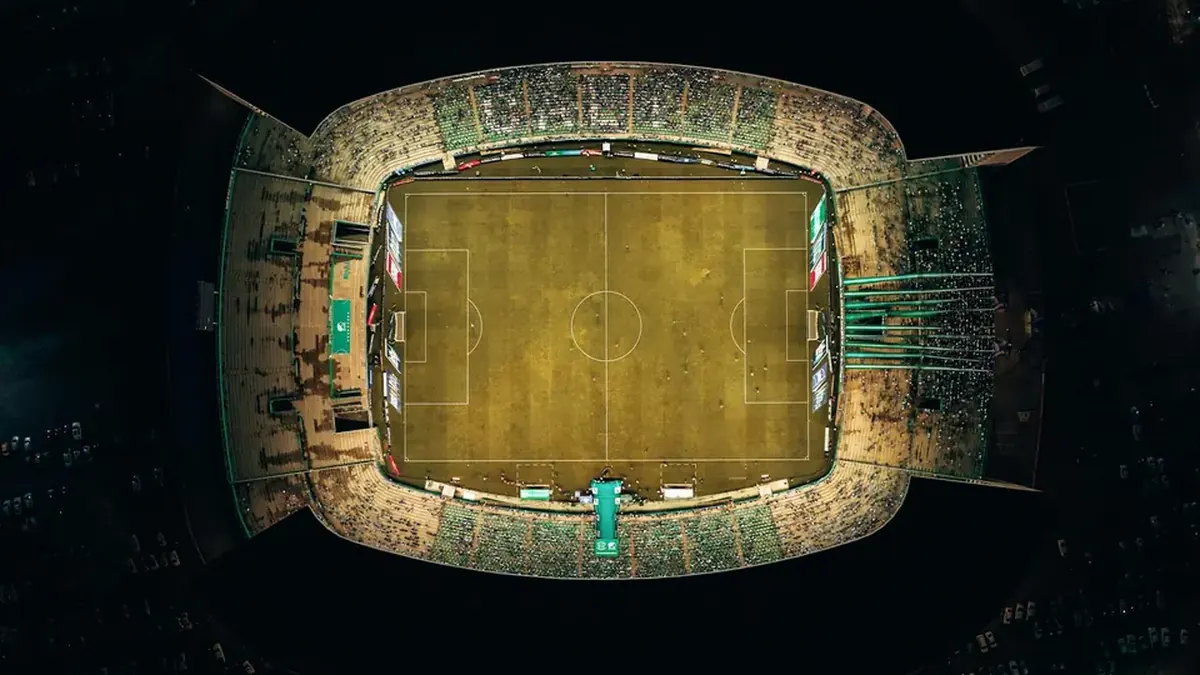
The stadium’s design shapes how sound travels and is perceived. The cantilevered roofs of the Sir Alex Ferguson Stand and the Sir Bobby Charlton Stand reflect sound back onto the pitch, while the open corners allow some noise to escape. The planned renovations to Old Trafford may alter these acoustics, potentially enhancing the crowd’s impact or changing the distribution of sound. Modern stadium designers study these factors carefully, as the right acoustic environment can amplify the home advantage.
Comparing to Other Grounds
Old Trafford’s noise profile differs from other iconic stadiums. Anfield’s famous “You’ll Never Walk Alone” creates a sustained emotional crescendo, while the Etihad’s more modern design produces a different acoustic character. Old Trafford’s noise is often described as more reactive—rising and falling with the flow of play rather than maintaining a constant pressure. This makes the stadium quieter during dull spells but capable of producing extraordinary volume during key moments.
The Future of the Roar
As Old Trafford undergoes potential redevelopment, preserving the unique acoustic character of the stadium will be a challenge. New stands, improved facilities, and changes to seating configuration could alter how sound moves through the ground. The club and supporters alike will need to balance modernization with maintaining the intangible qualities that make the Old Trafford crowd one of football’s most celebrated phenomena.
What to Check
- Compare noise levels during different match types (league, cup, European) to understand context dependency
- Note how the crowd responds to specific events: goals, controversial decisions, substitutions
- Observe the Stretford End’s role in initiating and sustaining vocal support
- Consider how stadium renovations might affect future acoustic experience
Reader Comments (0)