
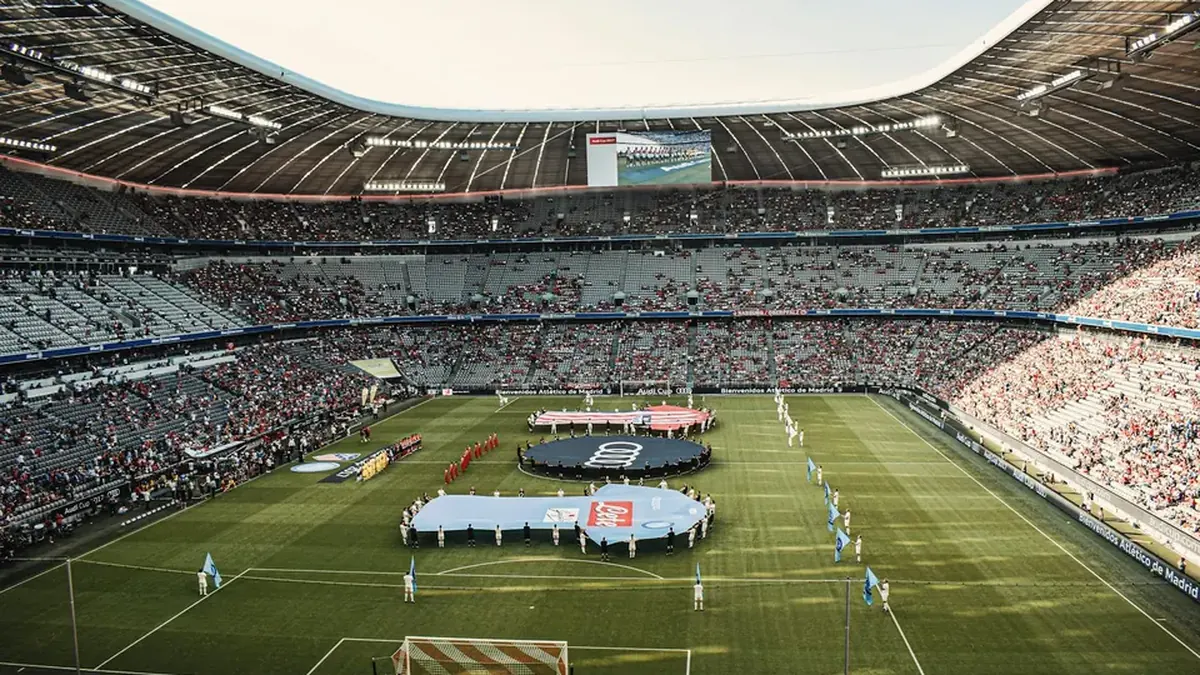
Old Trafford, known globally as the Theatre of Dreams, has long been more than a mere venue for football matches; it is a cathedral of the sport, a living museum of Manchester United Football Club’s storied history. Since its opening in 1910, the stadium has undergone numerous transformations, each iteration seeking to balance the preservation of its hallowed heritage with the evolving expectations of a modern, global fanbase. In the contemporary landscape of elite football, where matchday revenue and supporter engagement are paramount, the club has embarked on a comprehensive series of fan experience initiatives. These efforts aim to enhance every touchpoint of the matchday journey, from digital ticketing and in-stadium connectivity to catering, accessibility, and the creation of immersive historical spaces. This article provides a formal examination of the key pillars underpinning the current fan experience strategy at Old Trafford, contextualising these developments within the broader infrastructure of the club.
The Digital Transformation of the Matchday Journey
The modern supporter’s relationship with the stadium begins long before they take their seat, and Manchester United has invested significantly in the digital infrastructure that governs this pre-match experience. The transition to predominantly mobile ticketing, facilitated through the official club app, represents a foundational shift. This system aims to reduce physical queues, minimise the risk of ticket fraud, and provide a single, verifiable point of access for the supporter. The integration of digital credentials with stadium entry systems has streamlined ingress, a critical factor for a venue that regularly hosts over 70,000 spectators. Furthermore, the club’s digital ecosystem now offers in-app features such as live wait times for concessions, interactive stadium maps for locating amenities, and push notifications for team news and operational updates. While these systems are dependent on the individual user’s device and network connectivity, the club has worked to improve Wi-Fi capacity within the stadium bowl to support this digital-first approach. For supporters unfamiliar with the technology, dedicated help desks and physical ticket collection points remain available, though the clear strategic direction is towards a fully integrated digital experience. For a deeper look at the physical changes supporting these digital efforts, readers may refer to our coverage of the stadium’s ongoing renovation projects.
Catering and Concessions: A Culinary Overhaul
For many years, the standard matchday fare at Old Trafford—pies, hot dogs, and lukewarm beverages—was a subject of affectionate but persistent criticism from the fanbase. Recognising that the quality and variety of food and drink are now central to the overall matchday experience, the club has initiated a significant overhaul of its catering operations. The strategy has focused on three core areas: speed of service, product quality, and local sourcing. New “grab-and-go” kiosks have been introduced in key concourse areas, designed to reduce queuing times and allow supporters to return to their seats more quickly. The menu has been expanded to include options that reflect the diverse demographics of the modern fanbase, including plant-based offerings, gourmet burgers, and artisanal coffee. A notable initiative has been the partnership with local Greater Manchester suppliers for ingredients, reinforcing the club’s connection to its regional roots. The introduction of a “pre-order” function within the club app allows supporters to order food and drink for collection at a specific time, further mitigating the traditional half-time scramble. While the success of these initiatives is ultimately measured by supporter satisfaction and reduced wait times, the club has publicly committed to a rolling programme of menu innovation and operational refinement.
Accessibility and Inclusivity: A Stadium for All
A modern fan experience strategy is incomplete without a robust commitment to accessibility and inclusivity. Manchester United has undertaken a comprehensive review of its facilities to ensure that Old Trafford is a welcoming environment for all supporters, regardless of physical ability or specific needs. This includes the provision of wheelchair-accessible viewing positions, amenity areas, and dedicated accessible toilets. The club has also invested in audio-descriptive commentary services for visually impaired supporters and hearing loops for those with hearing impairments. Beyond physical infrastructure, the club has focused on staff training to ensure that matchday stewards and customer service personnel are equipped to assist supporters with a range of needs, from dementia-friendly support to assistance for those with autism. The introduction of “quiet rooms” within the stadium provides a calm space for supporters who may feel overwhelmed by the sensory intensity of a matchday. These initiatives are not merely a matter of regulatory compliance; they represent a conscious effort to broaden the definition of who can call Old Trafford their home. The club’s commitment to this area is an ongoing process, with feedback mechanisms in place to identify further improvements. For those planning a visit, our comprehensive tour guide provides detailed information on accessibility provisions and matchday planning.
The Museum and Stadium Tour: Immersive Heritage
The Manchester United Museum and Stadium Tour remains one of the most popular attractions in British football, drawing visitors from across the globe. Recent enhancements have focused on making this experience more interactive and immersive. The introduction of augmented reality (AR) elements allows visitors to see historical moments overlaid on the current stadium environment, while new digital touchscreens provide deep dives into the club’s trophy-laden history, from the Busby Babes to the Sir Alex Ferguson era. The museum itself has been reconfigured to tell a more narrative-driven story, moving beyond a simple display of silverware to contextualise the club’s cultural and social impact. The tour now includes access to areas previously off-limits to the general public, such as the home dressing room and the players’ tunnel, with enhanced audio guides narrated by club legends. These upgrades serve a dual purpose: they generate significant non-matchday revenue, and they act as a powerful marketing tool, converting casual visitors into lifelong supporters. The experience is carefully calibrated to honour the club’s past while presenting a forward-looking image, a balance that is central to the Manchester United brand.

Safety, Security, and Stewarding
The operational environment for a major football stadium has become increasingly complex, with safety and security protocols now a defining feature of the fan experience. Manchester United has implemented a series of measures designed to ensure the safety of all attendees without unduly compromising the matchday atmosphere. These include the use of advanced CCTV systems with facial recognition technology (subject to data protection regulations and individual consent), enhanced bag search procedures, and a visible but approachable stewarding presence. The club has invested heavily in the training of its stewarding team, moving away from a purely security-focused model towards a “customer service” approach. Stewards are now trained to act as the first point of contact for any supporter query, from directions to first aid. The introduction of a dedicated “fan liaison officer” role provides a single point of contact for complex queries and complaints. While the need for security is non-negotiable, the club’s stated aim is to make these processes as seamless and unobtrusive as possible, ensuring that the focus remains on the football. The effectiveness of these measures is regularly reviewed in consultation with the Greater Manchester Police and the Safety Advisory Group.
The Future: Redevelopment and the Long-Term Vision
The initiatives described above are, in many ways, interim measures. The long-term vision for the fan experience at Old Trafford is inextricably linked to the club’s ambitious redevelopment plans. Whether through a comprehensive renovation of the existing structure or the construction of a new, state-of-the-art stadium on the adjacent land, the objective is to create a venue that meets the highest global standards for fan comfort, technology, and sustainability. The club has engaged in extensive consultation with supporter groups to understand their priorities for a future stadium, with key themes emerging around improved sightlines, wider seats, better climate control, and more diverse food and beverage options. The outcome of this process will define the fan experience for generations to come. For a visual record of the current state of the stadium and the progress of preparatory works, readers are encouraged to view our photo gallery of the ongoing renovations. The challenge for the club is to manage the transition period, ensuring that the current matchday experience remains of a high standard while the long-term future is being planned.
The fan experience at Old Trafford is not a static product but a dynamic and evolving proposition. The initiatives detailed above—spanning digital ticketing, catering, accessibility, heritage, and security—represent a concerted effort by Manchester United to modernise its matchday offering while respecting the unique character of its historic home. The club has demonstrated a willingness to listen to supporter feedback and invest in tangible improvements, from faster Wi-Fi to better pies. However, the ultimate test of these initiatives lies not in their design but in their execution on a matchday. The true measure of success is whether a supporter leaves the stadium feeling that their time, money, and emotional investment were rewarded. As the club navigates the complex path towards its next major infrastructure project, the quality of the fan experience will remain a central pillar of its identity. The Theatre of Dreams must continue to earn that name, one matchday at a time.
Reader Comments (0)