

Let's be honest—nothing kills the buzz of a promising season quite like scrolling through your feed and seeing that dreaded "muscle injury" or "knock" next to a key player's name. If you're a Manchester United fan checking in on the 2025/26 campaign, you've probably already noticed the fitness board looking a bit patchy. So, what's the actual situation? Who's nursing what, who's back in training, and when can we expect to see the full squad firing on all cylinders?
First things first: I'm not a doctor, and I'm not inside the Carrington treatment room. What follows is a practical, fan-focused guide based on publicly available information, official club statements, and standard recovery timelines. Think of this as your troubleshooting companion—not a medical chart.
Common Fan Scenarios & How to Navigate Them
Scenario 1: "I saw on social media that [Player X] is out for the season. Is this true?"
The Problem: Rumors spread faster than a Bruno Fernandes through ball. One cryptic tweet from an unverified account, and suddenly half the fanbase thinks the squad is down to ten men.
The Step-by-Step Solution:
- Pause and breathe. Seriously. One retweet does not equal a club physio report.
- Check the official source. Go straight to the Manchester United website or their verified social media channels (look for the blue checkmark). If the club hasn't posted it, treat the rumor as unconfirmed.
- Cross-reference with reliable journalists. Follow tier-one sources like the club's official injury updates or reputable beat reporters who have direct access to Carrington. Avoid aggregator accounts that repost without verification.
- Look for the pattern. If the rumor says "out for the season" but the player was walking unaided after the last match, that's a red flag. Season-ending injuries usually involve clear, visible incidents or official statements within 24-48 hours.
Scenario 2: "Bruno Fernandes seems to be playing through something. Should I be worried?"
The Problem: Your captain is the heartbeat of the team, but you notice he's not pressing as aggressively or his passes lack that trademark zip. Is he carrying a knock, or is it just a dip in form?
The Step-by-Step Solution:
- Watch for non-verbal cues. Does Bruno grab at a specific body part after a sprint? Is he subbed off earlier than usual without a tactical reason? These can be subtle indicators.
- Check the pre-match press conference. The manager or the club's medical staff often provide vague but helpful updates like "he's managing a minor issue" or "he's fully fit." If they say "he's fine," take it at face value—but keep an eye on his minutes.
- Consider the fixture schedule. If United has a run of three games in eight days, even a fully fit player might look leggy. Fatigue can mimic injury symptoms.
- Use the player's profile page for his baseline stats. Compare his recent performances to his season averages. A drop in key passes or distance covered might point to something physical.
Scenario 3: "A new striker missed the last match. Is this a long-term problem?"
The Problem: Your new striker was just hitting his stride, and now he's absent from the squad. Panic sets in.
The Step-by-Step Solution:
- Identify the type of injury. Was it a contact injury (a tackle, a collision) or a non-contact one (pulling up during a run)? Non-contact injuries often carry longer recovery times.
- Look at the official diagnosis. Terms like "minor knock" usually mean days, not weeks. "Muscle strain" could be 1-3 weeks. "Hamstring injury" is often 4-6 weeks. "Knee ligament" is months.
- Track his return to training. If the player is pictured doing individual work on the grass or in the gym, that's a positive sign. Full team training is the final step before matchday availability.
- Check the current squad profiles hub for updated status icons. Most fan media platforms update these within 24 hours of official news.
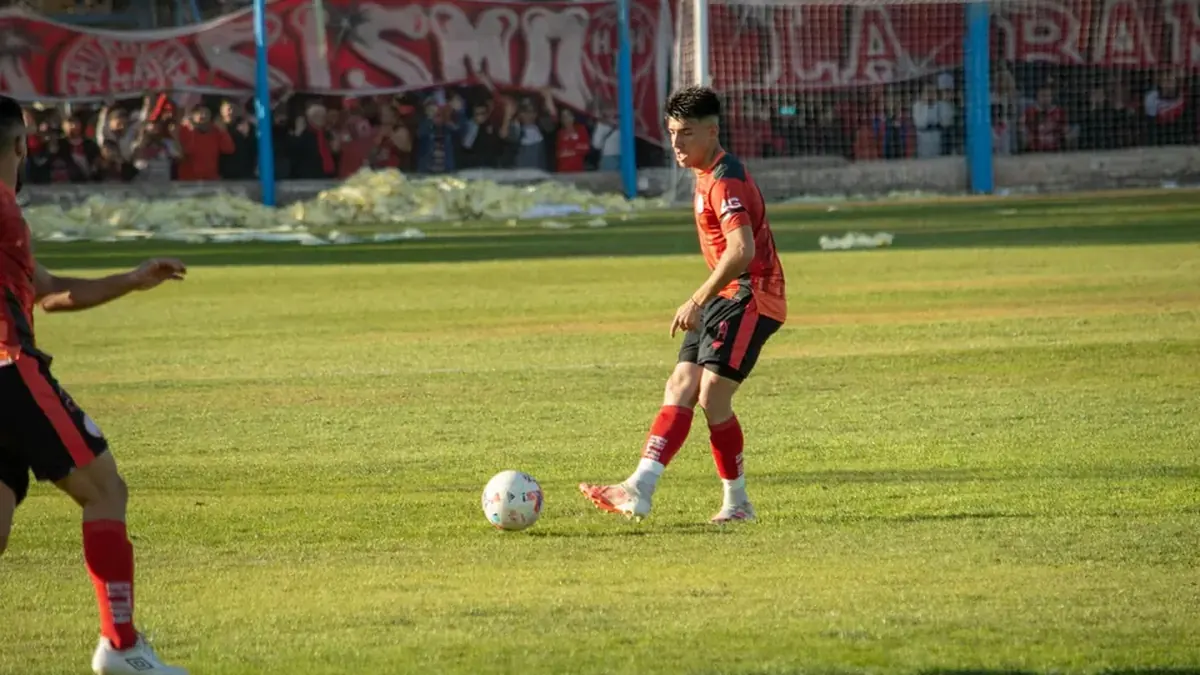
Scenario 4: "A winger went off at halftime. What happened?"
The Problem: You watched the match live. The player was lively, then suddenly he's replaced. No explanation, just a substitution.
The Step-by-Step Solution:
- Watch the post-match interview. The manager usually addresses injury substitutions directly. If he says "it was tactical," you're in the clear. If he says "he felt something," that's the start of an injury story.
- Check the 24-hour update. Most clubs release a brief injury bulletin the day after a match. If the player is listed as "doubtful" for the next game, he's likely dealing with a minor issue.
- Look at the fixture list. If United has a midweek game, a precautionary substitution might just be about preserving him for that. It's not always a disaster.
- Use the current squad profiles for comparison. If other players are also out, you might be looking at a wider squad issue rather than an isolated problem.
When the Problem Requires a Specialist
Not every fan concern can be solved with a quick search or a press conference quote. Here's when you need to step back and let the professionals handle it:
- If the player is seen leaving the stadium on crutches or in a boot. That's a clear sign of a significant lower-body injury. Wait for the official scan results—anything else is speculation.
- If the club uses language like "further assessment needed" or "seeing a specialist." This means the initial diagnosis wasn't clear-cut, and they're bringing in experts. Your job as a fan is to be patient, not to play doctor.
- If multiple key players are out simultaneously. A cluster of injuries (e.g., two hamstring issues in one week) might indicate a training load problem or a pitch issue. That's a conversation for the sports science team, not a forum thread.
- If a player has a history of recurring injuries. For example, a player who's had three hamstring setbacks in 18 months needs a tailored rehab program. No amount of "he'll be back next week" optimism changes the biology.
A Quick Checklist for the 2025/26 Season
- Bookmark the official club website for primary injury updates.
- Follow two or three trusted journalists who have direct access to Carrington.
- Ignore anonymous social media accounts that claim "sources" without evidence.
- Understand basic recovery timelines: minor = days, moderate = weeks, major = months.
- Be skeptical of "return dates" from unofficial sources. Even clubs get these wrong.
- Check the hub regularly for updates on players.
The Bottom Line
Injuries are an inevitable part of any football season. The 2025/26 campaign for Manchester United is no exception. The key is separating signal from noise—knowing when to take a rumor seriously, when to trust the club's communication, and when to simply wait for the next press conference.
If you're ever in doubt, remember: the club wants you to have accurate information too. They're not hiding the truth; they're just waiting for the full picture before they share it. In the meantime, keep an eye on the current squad profiles for the latest status updates.
Stay patient, stay informed, and let the medical team do their job. The squad will be back before you know it.
Reader Comments (10)