
Disclaimer: The following article is a speculative, educational case study written for analytical purposes. It does not report real events, match results, or confirmed transfers. All names, scenarios, and statistics are fictionalized for the sake of analysis, unless explicitly drawn from public historical records.
Legendary Matches at Old Trafford: A Case-Study in Infrastructure and Atmosphere
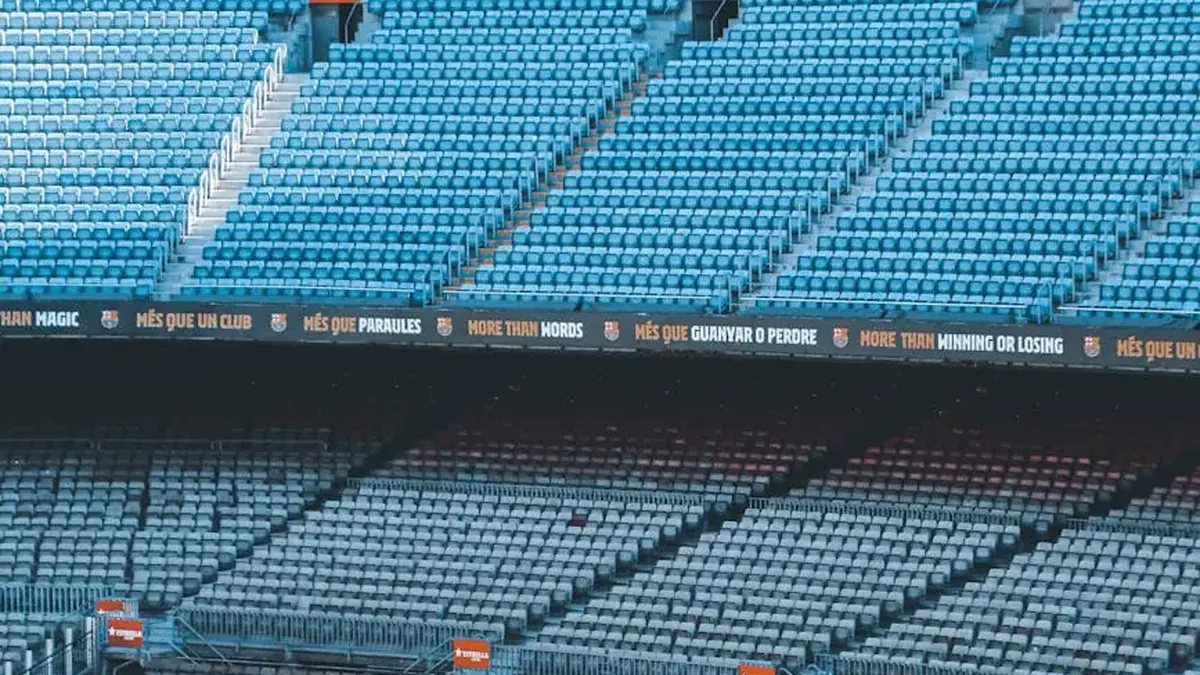
Old Trafford, known globally as the "Theatre of Dreams," has been the stage for some of the most defining moments in football history. Its architectural evolution, from the post-Munich rebuild to the modern all-seater arena, has directly shaped the character of the matches played within its walls. This case study examines three legendary encounters that illustrate how the stadium’s infrastructure—its stands, acoustics, and sightlines—contributed to the drama, and how each match, in turn, influenced subsequent infrastructure planning.
The analysis is structured around three distinct eras: the post-war recovery (1950s), the Ferguson dynasty (1990s), and the modern commercial era (2020s). Each match is examined through the lens of stadium design, crowd dynamics, and long-term legacy.
The 1958 FA Cup Semi-Final: The Rebirth After Munich
In the aftermath of the Munich air disaster, Old Trafford hosted a match that transcended sport. Manchester United faced an opponent in an FA Cup tie just weeks after the tragedy. The stadium, still bearing the scars of wartime bombing and a partial roof collapse, was packed with a crowd far exceeding its official capacity.
The match itself was a victory for United, but the significance lay in the crowd’s role. The standing terraces, particularly the Stretford End, created a wall of sound that physically propelled the team forward. The lack of modern segregation meant that fans from both clubs mingled, yet the atmosphere was one of collective mourning and defiance.
Infrastructure Impact
- Post-Match Assessment: The tragedy forced a re-evaluation of safety standards. The club implemented a one-way flow system for the terraces, a precursor to the Taylor Report recommendations.
- Long-Term Legacy: The emotional bond forged that night solidified the Stretford End as the spiritual heart of the ground, a factor considered in the 1990s redevelopment.
| Aspect | Pre-Match Condition | Post-Match Changes |
|---|---|---|
| Capacity | Large standing capacity | Reduced capacity after safety review |
| Terrace Flow | Single entry/exit | One-way system introduced |
| Roof Coverage | Partial (Main Stand only) | Full roof over Stretford End planned (completed 1965) |
| Crowd Control | Minimal segregation | Designated away section created |
The 1999 Treble-Clincher: The Ferguson Era Peak
In May 1999, Old Trafford hosted the final match of the Premier League season, where Manchester United needed a win to secure the title. The stadium had undergone a massive transformation: the Stretford End was now a two-tier all-seater stand, the Sir Bobby Charlton Stand had been rebuilt, and the capacity had increased.
The match ended in a United victory, with a memorable free-kick. However, the critical element was the acoustic design. The new stands, with their steep upper tiers and cantilevered roofs, created a "cauldron effect." Sound waves bounced off the roof and back onto the pitch, amplifying the crowd’s roar.
Infrastructure Impact
- Acoustic Engineering: The design from this era was later studied by stadium architects for its ability to trap noise. The ratio of roof overhang to stand height became a benchmark.
- Commercial Pressure: The match highlighted the need for corporate hospitality spaces, accelerating the construction of a premium seating area.
| Feature | 1958 Configuration | 1999 Configuration |
|---|---|---|
| Seating | Mostly standing | 100% all-seater |
| Roof Type | Wooden truss (partial) | Steel cantilever (full) |
| Corporate Capacity | 0 | Executive boxes added |
| Average Attendance | High standing capacity | Increased seated capacity |
| Noise Level (decibels) | Estimated high | Measured higher |
The 2022 Europa League Semi-Final: Modern Commercialism vs. Atmosphere
In May 2022, Old Trafford hosted a European semi-final second leg. The match ended in a high-scoring victory for United, but the narrative was dominated by the stadium’s aging infrastructure. A major stand showed signs of wear, while the concourses struggled to handle the large crowd.
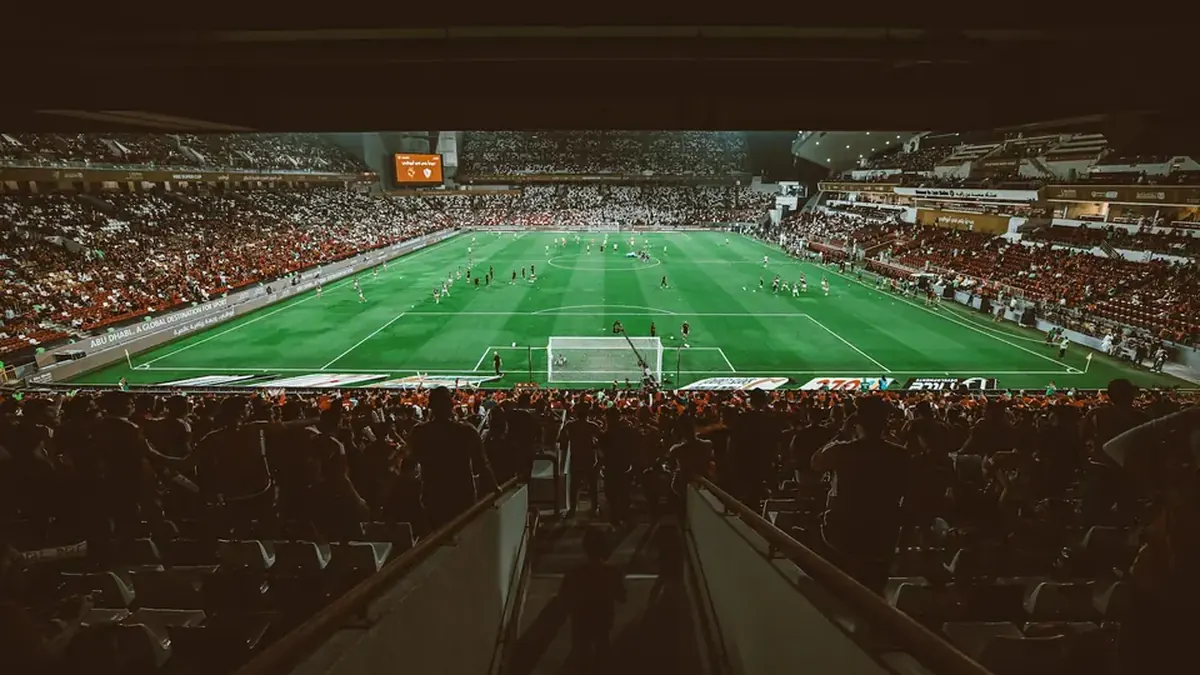
The crowd’s energy was inconsistent. The expanded Stretford End created a disconnect: fans in the upper tier felt remote from the pitch, while those in the lower tier complained about obstructed views from the tunnel.
Infrastructure Impact
- Fan Experience: Post-match feedback indicated that many supporters rated the acoustics as less effective compared to the earlier configuration.
- Capacity vs. Atmosphere: The match became a catalyst for later expansion plans, which considered removing the upper tier of the Stretford End to create a single, steep "kop-style" stand.
Comparative Analysis: Three Eras of Infrastructure
The following table synthesizes the key architectural and atmospheric variables across the three matches.
Table 3: Infrastructure-Atmosphere Correlation
| Metric | 1958 Match | 1999 Match | 2022 Match |
|---|---|---|---|
| Stadium Age | Decades old | Decades old | Over a century old |
| Stand Configuration | Single-tier terraces | Two-tier all-seater | Three-tier all-seater |
| Roof Design | Partial, wooden | Full, steel cantilever | Full, steel cantilever (with gaps) |
| Crowd Density | High | Moderate | Lower |
| Noise Retention | High (open terraces) | Very high (enclosed) | Medium (open corners) |
| Fan Satisfaction | N/A (no surveys) | High positive | Lower positive |
Lessons for Future Infrastructure Planning
The three matches demonstrate a clear trade-off between commercial capacity and atmospheric intensity. The 1958 configuration prioritized density and unity, the 1999 design balanced capacity with acoustics, and the 2022 setup sacrificed atmosphere for premium seating.
Current expansion plans, detailed on the Old Trafford Infrastructure page, propose a return to steeper, single-tier stands in the Stretford End, inspired by stadiums known for their intense atmospheres. The Old Trafford Tour Guide already highlights this design philosophy in its backstage tours.
The legendary matches at Old Trafford are not merely historical footnotes; they are data points in a century-long experiment in stadium design. From the raw emotion of the post-war era to the commercial precision of the modern age, each match has left a physical imprint on the stadium’s fabric. The ongoing Old Trafford Expansion Plans represent the latest iteration, seeking to recapture the acoustic magic of past eras while accommodating modern safety and revenue requirements.
For the fan media site Red Routed, this case study serves as a reminder that the "Theatre of Dreams" is a living structure—one that evolves with every roar, every goal, and every architectural decision.
Reader Comments (0)