
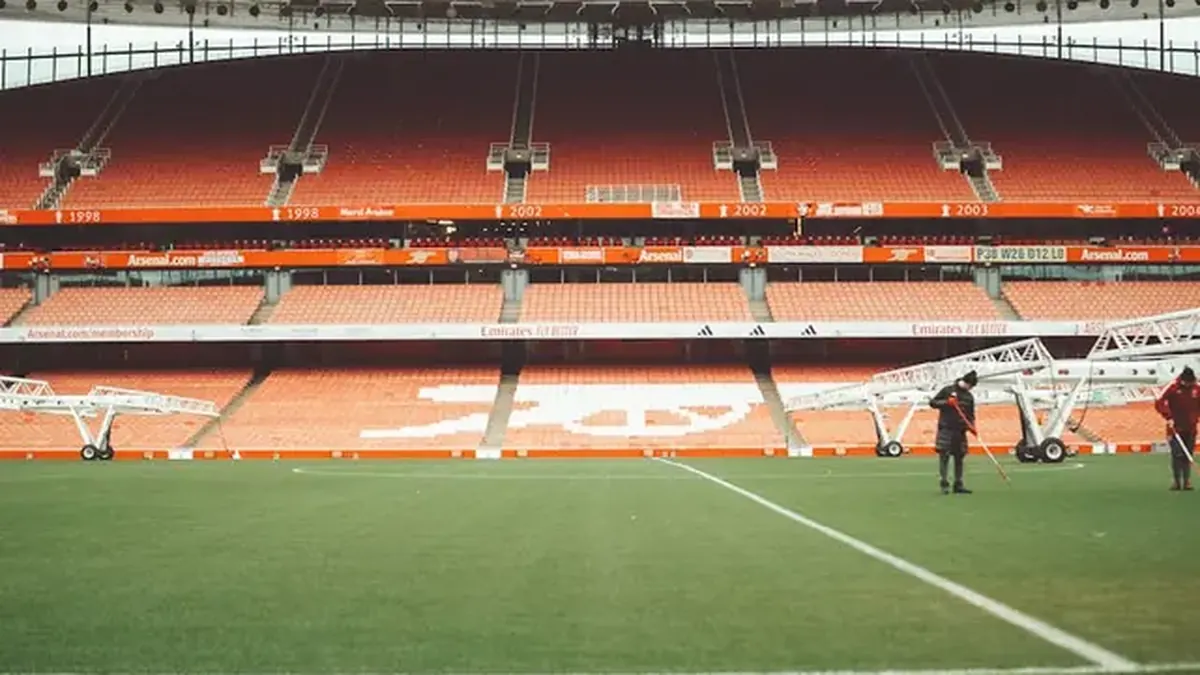
The surface upon which Manchester United Football Club has contested its home matches for over a century has undergone a remarkable transformation, evolving from a natural grass field subject to the caprices of English weather into a sophisticated hybrid playing surface engineered for elite performance. The history of the Old Trafford pitch is not merely a chronicle of grass and soil; it is a reflection of the broader evolution of sports turf technology, shifting maintenance philosophies, and the increasing demands placed upon modern football stadiums. Understanding this history provides essential context for appreciating the infrastructure that supports the club’s ambitions, particularly as discussions surrounding the future of the stadium continue to develop within the broader context of Old Trafford infrastructure.
The Era of Natural Turf: Foundations and Challenges
For the majority of its existence, the Old Trafford pitch was a purely natural grass surface, cultivated and maintained according to the horticultural practices of the day. The original ground, opened in 1910, featured a traditional turf laid over a soil-based foundation. This was the standard for virtually all major football grounds in Britain for much of the 20th century. The maintenance regime relied on a combination of manual labour, seasonal reseeding, and the application of fertilisers. Groundsmen were the unsung custodians of the playing surface, battling the elements to provide a consistent, safe, and playable arena.
The challenges inherent to a natural grass pitch in a northern European climate were numerous and persistent. The combination of heavy rainfall, limited winter sunlight, and the physical demands of a fixture list that could see two matches played in a single week often resulted in a surface that deteriorated significantly over the course of a season. The pitch would become heavily compacted, leading to poor drainage and a muddy, uneven surface, particularly in the penalty areas and the centre circle where player traffic was most intense. By March and April, the lush green of early autumn would often give way to a patchwork of bare earth and struggling grass. This was a universal problem across English football, and Old Trafford was no exception. The surface’s condition was a frequent topic of discussion, with managers and players noting its impact on playing style. A heavy, slow pitch could neutralise the pace of a team like the Busby Babes or the Ferguson sides, while a firm, fast surface was considered ideal for the intricate passing football the club aspired to play.
The Desso GrassMaster Revolution
The most significant transformation in the history of the Old Trafford pitch occurred in the mid-2010s, marking a decisive shift away from pure natural turf. In 2015, Manchester United became one of the first Premier League clubs to install a Desso GrassMaster system. This technology, a hybrid of natural grass and artificial fibres, represented a quantum leap in pitch quality and resilience. The system involves sewing millions of synthetic fibres into the top layer of the natural grass rootzone. These artificial fibres act as a reinforcement structure, anchoring the natural grass roots and preventing the surface from cutting up under heavy use. The natural grass continues to grow through and around the synthetic base, providing the playing characteristics of a high-quality grass pitch while benefiting from the stability and durability of an artificial component.
The installation of the Desso system addressed the core vulnerabilities of the traditional natural grass pitch. Drainage was dramatically improved, reducing the risk of waterlogging and postponements. The surface remained much more consistent throughout the season, withstanding the rigours of multiple matches per week without significant degradation. The hybrid system also offered superior surface stability, reducing the incidence of divots and uneven patches. This allowed for a faster, more predictable ball roll and a more reliable footing for players, factors critical for high-intensity, technical football. The investment in the Desso system was a clear statement of intent: the playing surface was no longer to be a variable that could hinder performance but a consistent, high-quality asset that supported it.
The Role of Modern Maintenance and Technology
Beyond the fundamental change to a hybrid surface, the maintenance of the Old Trafford pitch has become a highly scientific and technologically driven operation. The modern grounds team, working under the direction of the club’s head groundsman, employs a suite of advanced tools and techniques to optimise the playing surface. These include:
- Sub-surface heating: A network of heating cables beneath the pitch prevents the ground from freezing, ensuring that matches can proceed in even the most severe winter conditions. This system is critical for maintaining the viability of the grass rootzone and allowing for year-round play.
- Lighting technology: The use of mobile and fixed lighting rigs, often employing LED technology, supplements natural sunlight, promoting grass growth and recovery during the darker winter months. These lights are carefully controlled to optimise photosynthesis and minimise energy consumption.
- Advanced drainage and irrigation: The pitch is built on a sophisticated drainage system that can remove standing water rapidly. Conversely, a computer-controlled irrigation system delivers precise amounts of water to specific areas, ensuring the surface remains at optimal moisture levels without becoming waterlogged or overly dry.
- Data-driven monitoring: Sensors embedded in the turf monitor a range of parameters, including soil moisture, temperature, compaction, and grass health. This data is analysed by the grounds team to inform decisions on aeration, feeding, and mowing, allowing for a highly responsive and precise maintenance regime.

Comparison of Pitch Eras: Natural vs. Hybrid
The following table provides a comparative overview of the key characteristics of the Old Trafford pitch during the natural turf era and the current hybrid era.
| Feature | Natural Turf Era (pre-2015) | Hybrid Turf Era (post-2015) |
|---|---|---|
| Surface Composition | 100% natural grass over soil base | Natural grass reinforced with artificial fibres |
| Durability | Prone to degradation, especially in winter | Highly durable; withstands multiple matches per week |
| Drainage | Variable, often poor in heavy rain | Excellent; rapid water removal |
| Consistency | Variable across the season and within the pitch | Highly consistent throughout the season |
| Winter Performance | Often heavy, muddy, and slow | Fast, firm, and reliable |
| Maintenance Regime | Labour-intensive, reactive | Technology-driven, proactive, data-informed |
| Primary Risk | Waterlogging, surface damage, frost | Mechanical failure of hybrid system |
Key Risks and Considerations
While the modern hybrid pitch represents a significant advancement, it is not without its own set of risks and considerations. The primary risk is the potential for mechanical failure of the underlying systems. A malfunction in the sub-surface heating, drainage, or irrigation could lead to a rapid deterioration of the playing surface. The high cost of installation and ongoing maintenance is also a significant factor. Furthermore, the hybrid system is not immune to the stresses of a congested fixture schedule, particularly when combined with other events hosted at the stadium, such as concerts or rugby matches. The club must carefully manage the pitch’s recovery time between events, a logistical challenge that requires meticulous planning and coordination. The long-term viability of the hybrid technology itself is also a consideration, as future innovations may offer further improvements in sustainability and performance. The club’s ongoing investment in Old Trafford infrastructure will need to account for these evolving technologies.
The Pitch and the Club’s Identity
The quality of the Old Trafford pitch is intrinsically linked to the club’s identity and playing philosophy. A fast, reliable surface is a prerequisite for the technical, possession-based football that has been a hallmark of Manchester United’s best sides. From the fluid passing of the Busby Babes to the relentless attacking football of the Ferguson era and the tactical approach under current management, the ability to move the ball quickly and accurately on a consistent surface has been a competitive advantage. The pitch is not merely a stage; it is an active participant in the performance. The club’s commitment to maintaining a world-class surface is a reflection of its broader ambition to provide the best possible environment for its players to succeed. This commitment extends to the wider stadium environment and the club’s role within the local community, as explored in the context of Old Trafford community impact.
The history of the Old Trafford pitch is a narrative of continuous improvement, driven by technological innovation and a relentless pursuit of excellence. From the challenging natural surfaces of the 20th century to the sophisticated hybrid systems of today, the evolution of the playing surface mirrors the club’s own journey. The modern pitch is a highly engineered, data-managed asset that provides a consistent, fast, and reliable stage for elite football. It is a critical component of the club’s infrastructure, supporting the players’ performance and enhancing the matchday experience for the tens of thousands who fill the stadium. As the club looks to the future, with potential redevelopment plans on the horizon, the maintenance and potential further evolution of the pitch will remain a central priority. The legacy of the groundsmen, past and present, who have nurtured this hallowed turf is a vital part of the club’s story, ensuring that the Theatre of Dreams remains a stage worthy of the highest quality of football. For those interested in the broader context of the stadium’s history, further information on its capacity records can be found in the stadium capacity records article.
Reader Comments (0)