
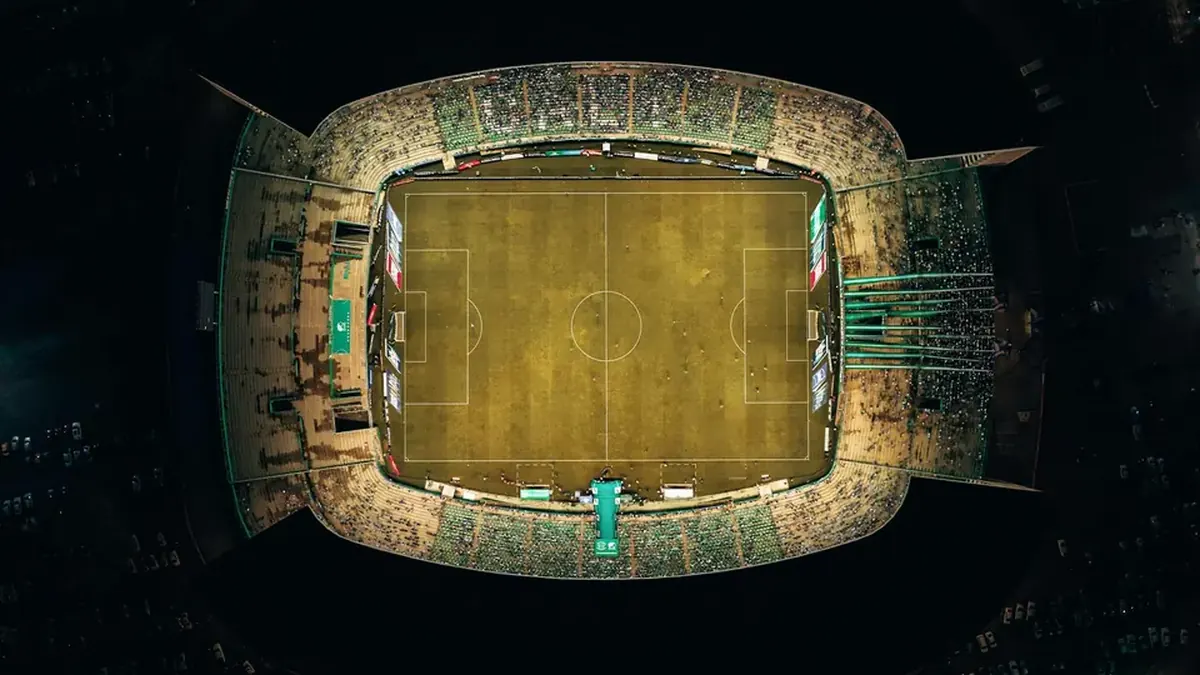
The announcement of a public consultation regarding the future of Old Trafford represents a pivotal moment for Manchester United Football Club and its global supporter base. For decades, the Theatre of Dreams has stood as both a monument to the club’s illustrious history and, increasingly, a symbol of the need for modernisation. This consultation process is not merely a procedural formality; it is a critical juncture where the voices of fans, local residents, and stakeholders can shape the next chapter of this hallowed ground. Understanding how to navigate this process effectively is essential for anyone wishing to contribute to the stadium’s future.
Understanding the Purpose of the Public Consultation
A public consultation is a structured process designed to gather feedback from the community and interested parties before a major development project proceeds. In the context of Old Trafford, this consultation serves several key functions. It allows the club and its partners to present initial ideas for renovation, whether that involves a complete rebuild, a significant expansion of the existing structure, or a modernisation of facilities while retaining the historic core. The feedback collected helps to refine proposals, identify potential issues, and demonstrate that the club is acting in good faith with its neighbours and supporters.
It is important to recognise that a consultation is not a vote. The club is not asking for a simple yes or no on a single plan. Instead, it is an opportunity to express preferences, raise concerns about traffic, noise, or local infrastructure, and suggest improvements. The final decision on the scale and nature of any renovation will rest with the club’s ownership and board, but a well-attended and thoughtfully engaged consultation can significantly influence the direction of those decisions.
Common Issues and How to Address Them
Many supporters and local residents encounter similar challenges when engaging with the consultation process. Below are the most frequent problems and practical solutions.
Problem 1: Difficulty Accessing Consultation Materials
The first hurdle for many is simply finding the relevant documents, survey links, and event dates. Information may be spread across multiple platforms, including the club’s official website, local council portals, and dedicated project websites.
Solution: Begin by visiting the official Manchester United website and navigating to the “Club” or “Stadium” section. Look for a dedicated page titled “Old Trafford Future” or “Stadium Regeneration.” If this is not immediately visible, use the site’s search function with terms such as “consultation,” “renovation,” or “Old Trafford development.” For a comprehensive overview of the club’s infrastructure plans, you may find the Old Trafford Infrastructure page a useful starting point for related context. If you reside in the Trafford borough, check the Trafford Council website for planning and regeneration notices, as local authorities often host their own copies of consultation documents.
Problem 2: Not Understanding the Technical Language
Consultation documents frequently contain architectural drawings, traffic impact assessments, and financial feasibility studies. The language can be dense and filled with jargon, making it difficult for a layperson to form an informed opinion.
Solution: Focus on the executive summary and the “frequently asked questions” section, which are usually written in plain English. If you are reviewing architectural plans, look for the key metrics: proposed capacity, height of new structures, and changes to access points. For traffic and environmental concerns, the summary typically highlights the most significant impacts. Do not hesitate to use online glossaries for terms like “sightlines,” “concourses,” or “heritage impact assessment.” If a particular point remains unclear, note it down and ask for clarification at a public meeting or through the consultation feedback form itself.
Problem 3: Missing the Deadline for Feedback
Consultations operate on a fixed timeline. Missing the submission deadline means your views may not be formally recorded.
Solution: As soon as you are aware of the consultation, mark the closing date in your calendar. Most consultations run for a minimum of four to six weeks. Submit your feedback early to avoid last-minute technical issues with the online portal. If you prefer to submit a physical letter, allow ample time for postal delivery. Keep a copy of your submission or a confirmation email for your records.
Problem 4: Uncertainty About What Feedback Is Most Valuable
Supporters often wonder whether their opinion on the stadium’s aesthetics or atmosphere carries as much weight as concerns about local traffic or noise.
Solution: All feedback is valuable, but it is helpful to be specific and constructive. Instead of simply stating “I don’t like the design,” explain why. For example: “The proposed north stand design appears to reduce the steepness of the seating, which could negatively impact the atmosphere generated by the Stretford End.” Similarly, for local residents, specific concerns about matchday traffic flow or the location of service entrances are highly actionable for planners. Prioritise feedback that relates to safety, accessibility, heritage, and community impact, as these are often the criteria that planning authorities consider most carefully.
When the Problem Requires Professional Assistance
While many issues can be resolved through careful research and timely action, certain aspects of the consultation process may require help from specialists.
Heritage and Listed Building Concerns
Old Trafford is not a listed building in its entirety, but certain elements, such as the Munich Tunnel and the statues of Sir Matt Busby, Sir Bobby Charlton, and Denis Law, hold significant cultural and historical value. If you have specific concerns about how the renovation might affect these heritage assets, it may be appropriate to consult with a heritage advisor or a local historical society. They can help you formulate a technically sound objection or suggestion that carries weight with planning committees. For a visual record of the stadium’s current state and past renovations, the Old Trafford Renovation Photos archive may provide useful reference points.
Traffic and Transport Impact
If you are a local resident concerned about the effect of a larger stadium on parking, public transport, or road congestion, your individual feedback is important. However, for a truly impactful submission, consider coordinating with a neighbourhood association or a residents’ group. These organisations can commission independent traffic studies or compile a collective response that demonstrates the scale of local concern. The club’s own transport assessment will be a key document, and comparing it with independent data can highlight discrepancies.
Accessibility and Disabled Supporters’ Needs
For supporters with disabilities, the renovation of Old Trafford presents both opportunities and risks. Ensuring that new designs meet or exceed current accessibility standards is not just a matter of comfort but of legal compliance. If you have specific requirements regarding wheelchair spaces, sightlines for ambulant disabled supporters, or accessible routes to and from the stadium, it is strongly recommended to contact the club’s disability liaison officer directly. Additionally, organisations such as the Level Playing Field charity can offer guidance on how to ensure your feedback addresses the relevant building regulations and equality legislation.
Weather and Environmental Adaptations
The Manchester climate presents unique challenges for any stadium design. Issues such as drainage on the pitch, wind tunnels around stands, and the comfort of fans in exposed seating areas are critical. If you have expertise in architecture, engineering, or environmental science, your detailed technical feedback can be invaluable. For general supporters, concerns about weather protection are best expressed in terms of the matchday experience. For more information on how the stadium has historically adapted to local conditions, the Old Trafford Weather Adaptations page offers relevant context.
The Path Forward
The public consultation on the Old Trafford renovation is a rare and significant opportunity for the Manchester United community to influence the future of its home. By understanding the process, preparing your feedback carefully, and seeking professional help where necessary, you can ensure your voice is heard. Whether you are a lifelong season ticket holder, a local resident, or a fan who visits once a year, your perspective matters. The decisions made now will determine whether the Theatre of Dreams can continue to inspire for another century.
Reader Comments (0)