
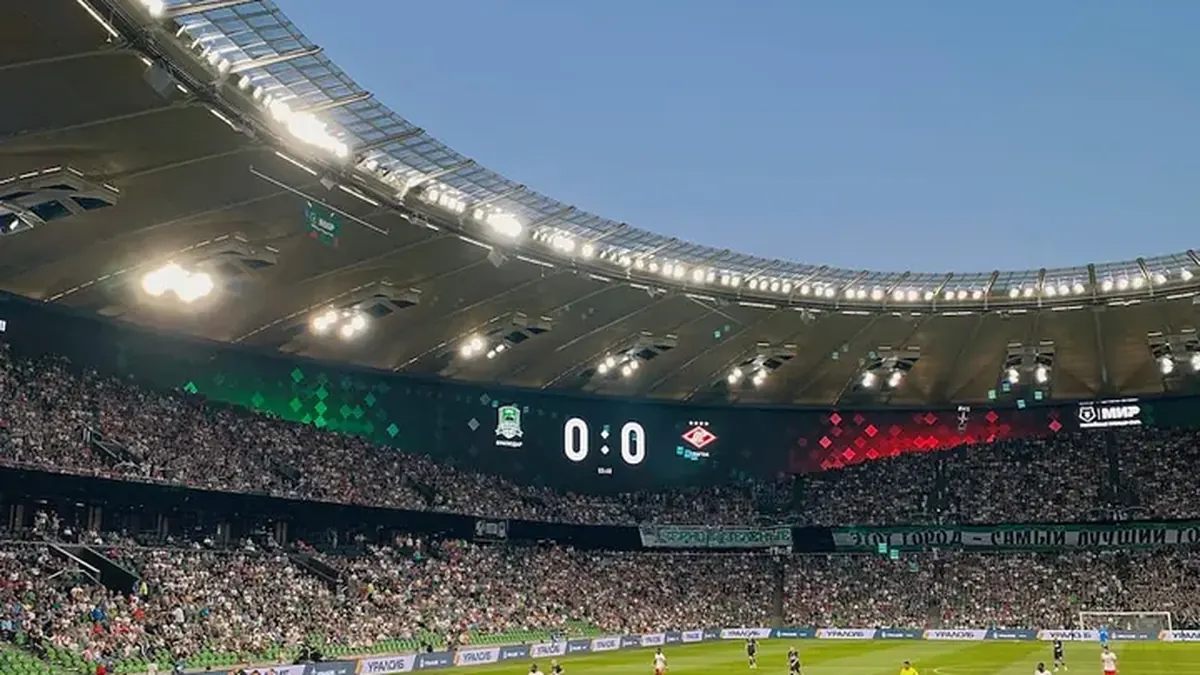
A Cathedral of Football: The Architectural Evolution of the Theatre of Dreams
Old Trafford stands as one of football’s most revered architectural landmarks, a structure whose design history mirrors the trajectory of Manchester United Football Club itself—from post-war reconstruction through decades of incremental modernization to the present-day debates about its future. The stadium’s architecture tells a story not merely of concrete and steel, but of ambition, tragedy, resilience, and the evolving relationship between a club and its global following. Understanding the architectural DNA of Old Trafford requires examining its origins, its major structural phases, and the design philosophies that have shaped its distinctive character.
The Original Vision: Archibald Leitch and Edwardian Stadium Design
When Old Trafford opened in 1910, its design bore the unmistakable signature of Archibald Leitch, the preeminent football stadium architect of the Edwardian era. Leitch, who designed approximately twenty major British stadiums including Ibrox, Goodison Park, and Craven Cottage, brought to Old Trafford his characteristic approach: a single-tier main stand with a distinctive gabled roof, terracing behind both goals, and a cavernous open end that would later become the Stretford End. The original capacity of approximately 80,000 made it the largest club ground in England at the time, a statement of intent from a club that had just changed its name from Newton Heath and won its first league championship in 1908.
Leitch’s design philosophy prioritized sightlines and crowd capacity over architectural ornamentation. The main stand featured a red-brick facade with arched windows and a central pediment, elements that echoed the industrial architecture of Manchester’s cotton mills and warehouses. The cantilevered roof over the main stand, while not fully cantilevered in the modern sense, represented a significant engineering achievement for its era. The terracing consisted of cinder and ash surfaces, later replaced by concrete, with wooden crush barriers to manage crowd movements. This utilitarian approach, while functional, created an atmosphere that players and supporters alike described as intimidating and intimate, despite the stadium’s vast scale.
The Munich Shadow and Post-War Reconstruction
The Munich air disaster of February 1958 cast a long shadow over Old Trafford, not merely in emotional terms but in architectural ones as well. The stadium had suffered bomb damage during the Second World War, forcing Manchester United to play at Maine Road between 1941 and 1949. By the mid-1950s, the club had restored and modestly expanded the ground, but the tragedy prompted a period of introspection rather than immediate physical change. The Busby Babes had played their last match at Old Trafford just days before the crash, and the stadium itself became a site of collective mourning.
It was under Sir Matt Busby’s leadership that the first significant post-war architectural changes occurred. The installation of floodlights in 1957, completed just months before Munich, marked Old Trafford as one of the first English stadiums equipped for evening matches. The floodlight pylons, four towering steel structures at each corner of the ground, became iconic visual markers for decades. These were not merely functional additions but symbolic ones—they represented Manchester United’s ambition to compete on the European stage, a ambition that would culminate in the 1968 European Cup final at Wembley.
The 1960s saw the construction of the United Road Stand, a covered terrace that increased capacity and improved spectator comfort. This period also witnessed the gradual replacement of wooden seating with concrete terracing, a response to safety concerns that would later prove tragically prescient. The architecture of this era remained fundamentally Edwardian in its bones, however—a shell that had been patched and extended but not reimagined.
The Taylor Report Revolution and All-Seater Conversion
The Hillsborough disaster of 1989 and the subsequent Taylor Report fundamentally altered the architectural trajectory of British football stadiums. For Old Trafford, the transition from terracing to all-seater accommodation was not merely a regulatory compliance exercise but a commercial and architectural transformation. The 1990s saw the demolition of the Stretford End terrace and its replacement with a two-tier stand that opened in 1993, followed by the construction of the North Stand in 1995, which gave Old Trafford its distinctive cantilevered roof and a capacity increase to over 55,000.
The North Stand, designed by the architectural firm Atherden Fuller, represented a decisive break with the Leitch tradition. Its cantilevered roof, unsupported by pillars, eliminated the sightline obstructions that had characterized earlier stands. The stand’s three tiers rose steeply from the pitch, creating an imposing vertical presence that seemed to lean over the field of play. The exterior treatment, with its grey concrete and blue-tinted glass, reflected the corporate hospitality demands of the Premier League era. Executive boxes, restaurants, and conference facilities occupied the middle tier, while the upper and lower tiers remained accessible to ordinary supporters. This stratification of space—corporate in the middle, general admission above and below—became the template for subsequent stadium developments across English football.
The completion of the East Stand in 1999 and the expansion of the South Stand (the Sir Bobby Charlton Stand) in 2006 brought Old Trafford to its current capacity of approximately 74,000, making it the largest club stadium in England. Each phase of expansion maintained the architectural language established by the North Stand: steep tiers, cantilevered roofs, and a concrete-and-glass exterior that prioritized function over ornament. The result is a stadium that appears, from the outside, as a series of massive geometric blocks, each representing a different era of construction, unified only by their scale and their grey concrete palette.
Structural Analysis: The Stands and Their Design Philosophies
The Sir Bobby Charlton Stand (South Stand)
The southern end of Old Trafford, originally the Scoreboard End, underwent its most significant transformation during the 2006 expansion. This stand, now named after Manchester United’s greatest player, features a distinctive curved roof profile that echoes the original Leitch gable. The interior includes the museum and the Megastore at ground level, with the upper tiers dedicated to general admission seating. The stand’s design prioritizes vertical circulation, with wide concourses and multiple entry points to manage crowd flow during peak periods.
The Stretford End (West Stand)
The Stretford End remains the emotional heart of Old Trafford, the stand where the most vocal supporters congregate. Its current two-tier configuration, completed in 1993, replaced the legendary terrace that had housed generations of United fans. The lower tier retains a single-tier feel, while the upper tier steps back to create a second level. The stand’s roof, supported by trusses rather than fully cantilevered, is the least architecturally ambitious of the four main stands, but its atmosphere compensates for any design limitations. The Stretford End’s proximity to the pitch—the front row sits barely ten meters from the touchline—creates an intensity that modern stadiums often struggle to replicate.
The Sir Alex Ferguson Stand (North Stand)
The North Stand, renamed in 2011 to honor Manchester United’s most successful manager, is the architectural showpiece of Old Trafford. Its three-tier configuration, with the corporate middle tier suspended between the upper and lower general admission sections, represents the apotheosis of the all-seater stadium design philosophy. The stand’s cantilevered roof spans over 60 meters without intermediate supports, a structural achievement that required careful engineering to manage wind loads and thermal expansion. The exterior features a glazed atrium that houses the reception area and the players’ entrance, creating a transitional space between the public realm and the inner sanctum of the stadium.
The East Stand
The East Stand, completed in 1999, completed the circuit of all-seater stands around Old Trafford. Its design mirrors the North Stand in its three-tier configuration, though with slightly reduced capacity due to site constraints. The stand’s lower tier extends closest to the pitch of any section of the stadium, placing supporters within touching distance of the corner flags. The East Stand also houses the television studios and broadcast facilities, with camera positions integrated into the roof structure.
The Pitch and Its Engineering
The playing surface at Old Trafford has undergone multiple transformations since the original clay-based pitch of 1910. The current Desso GrassMaster system, installed during the 2014-15 season, combines natural grass with artificial fibers to create a hybrid surface that withstands the rigors of a 60-match season plus concert events. The pitch sits on a drainage system that includes over ten kilometers of perforated pipes, capable of removing approximately 40,000 liters of water per hour during heavy rainfall. Under-soil heating, installed in the 1990s, maintains root-zone temperatures above freezing during winter months, ensuring playable conditions even during severe weather.

The pitch dimensions of 105 meters by 68 meters conform to UEFA regulations, though the width is at the lower end of the permitted range. This narrower configuration suits Manchester United’s traditional emphasis on width from full-backs, compressing the space that opposition defenders must cover. The pitch orientation, running north-south, minimizes the impact of low winter sun on goalkeepers and defenders, a consideration that influenced the original Leitch design and remains relevant for modern match scheduling.
The Roof: Engineering and Acoustics
Old Trafford’s roof system is among the most complex of any British stadium. Each stand features an independent roof structure, designed to accommodate thermal expansion and wind loading without transferring excessive forces to the seating decks. The cantilevered roofs over the North and East stands use steel trusses that extend from the rear of the stand to the front edge, with the roof cladding consisting of aluminum panels over a steel substructure. The Stretford End and Sir Bobby Charlton Stand roofs use more traditional truss systems, with the latter featuring a curved profile that references the original Leitch gable.
The acoustic properties of the roof system have significant implications for match-day atmosphere. The cantilevered design traps sound within the stadium bowl, preventing it from dissipating into the open air. This acoustic containment, combined with the steep rake of the seating decks, creates a cauldron effect that amplifies crowd noise. The roof also incorporates translucent panels that admit natural light, reducing the need for artificial illumination during day matches while maintaining the enclosed feel that players and supporters associate with the Old Trafford experience.
The Floodlight System: From Pylons to LED
The original floodlight pylons, installed in 1957 and visible from miles around, were replaced in the 1990s with a roof-mounted system that provided more uniform illumination while eliminating the visual clutter of the four corner towers. The current LED system, installed during the 2019-20 season, consumes approximately 60 percent less energy than the previous metal-halide installation while delivering higher lux levels for broadcast-quality illumination. The LED fixtures can be programmed for pre-match light shows, creating dynamic color effects that enhance the match-day experience without distracting from play.
Accessibility and Circulation
Old Trafford’s circulation system reflects the incremental nature of its construction, with each expansion phase adding new concourses, stairways, and entry points. The stadium features multiple levels of circulation, with the main concourse at ground level providing access to the lower tiers of all four stands. Upper-tier access requires climbing stairs or using one of the stadium’s lifts, which are primarily reserved for wheelchair users and those with mobility impairments. The stadium’s designated accessible viewing positions, numbering over 200, are distributed across all four stands, with companion seats adjacent to each position.
The concourses themselves vary in width and finish depending on the era of construction. The original main stand concourse retains its Edwardian proportions, with narrower passages and lower ceilings than the more spacious concourses in the North and East stands. This variation creates distinct microclimates within the stadium, with the older sections feeling more intimate and the newer sections offering greater comfort and amenity.
The Future: Redevelopment or Relocation?
The architectural future of Old Trafford has become a subject of intense debate, with the Glazer family ownership exploring options that range from significant redevelopment of the existing site to the construction of an entirely new stadium on adjacent land. The current stadium’s structural limitations—including restricted concourse widths, limited premium hospitality capacity, and the challenges of integrating modern facilities into a century-old framework—have prompted calls for a comprehensive solution.
Any redevelopment would need to address the stadium’s most significant architectural weakness: the lack of a continuous roof structure and the resulting exposure of the corners between stands. This design feature, common to stadiums of Old Trafford’s vintage, creates gaps that allow rain and wind to penetrate the bowl, compromising spectator comfort and acoustic performance. A new roof system that connects all four stands would require demolition of existing structures and reconstruction of the upper tiers, a process that would likely reduce capacity during construction and require the club to play matches elsewhere for multiple seasons.
The alternative—a new stadium on the Trafford Park site, adjacent to the existing ground—would allow for a purpose-built design that incorporates modern stadium architecture principles: continuous roof, optimized sightlines, enhanced hospitality, and integrated transport connections. Such a project would represent a clean break with the Leitch tradition, replacing the incremental architecture of the past with a unified design vision for the future. The club’s supporters remain divided between those who value the historic character of the Theatre of Dreams and those who prioritize the commercial and operational advantages of a new build.
Conclusion: The Architecture of Memory and Ambition
Old Trafford’s architecture embodies the tension between memory and ambition that defines Manchester United Football Club. The stadium’s physical fabric—the Edwardian red brick of the main stand, the concrete brutalism of the 1990s expansions, the glass and steel of the corporate facilities—records the club’s journey from industrial Manchester to global brand. Yet the structure also imposes constraints, forcing the club to confront the limits of incremental adaptation in an era of rapidly evolving stadium design standards.
The coming years will determine whether Old Trafford’s architecture can be reimagined to meet the demands of the next century, or whether the club will choose to build anew. Either path requires acknowledging that the stadium is not merely a container for football matches but a repository of collective memory, a physical manifestation of the club’s identity, and a stage for the drama that unfolds upon its pitch. The architecture of Old Trafford will continue to evolve, as it has for over a century, shaped by the same forces that drive Manchester United itself: the competing claims of tradition and progress, sentiment and commerce, memory and ambition.
For more on the stadium’s infrastructure, explore our guide to Old Trafford Infrastructure. Learn about the club’s environmental efforts in Old Trafford Eco-Friendly Initiatives, and discover the best perspectives in Old Trafford Seating Views.
Reader Comments (0)