

The pursuit of Old Trafford stadium memorabilia represents more than a mere hobby; it is an act of historical preservation, a tangible connection to the rich tapestry of Manchester United Football Club. For the discerning collector, each programme, ticket stub, and signed photograph carries the weight of moments that have defined not just a club, but the very fabric of English and European football. This guide provides a comprehensive overview of the most significant categories of memorabilia associated with the Theatre of Dreams, offering insight into their historical context, relative rarity, and the considerations essential for building a meaningful collection.
The Historical Significance of Match-Day Programmes
Match-day programmes from Old Trafford constitute one of the most accessible yet historically rich areas of memorabilia collecting. These publications, officially titled United Review in the modern era, have chronicled the club’s journey from the post-war rebuilding under Sir Matt Busby through the unprecedented success of the Sir Alex Ferguson era and into the present day.
Programmes from the immediate post-Munich air disaster period in 1958 hold exceptional historical weight. The first match at Old Trafford following the tragedy, a FA Cup semi-final against Fulham, produced programmes that are now considered cornerstones of any serious collection. Similarly, programmes from the 1968 European Cup final season, particularly those marking the semi-final against Real Madrid and the final itself at Wembley, are highly sought after. The value of these items is determined not only by age but by condition, with programmes graded as mint or excellent commanding significant premiums. Collectors should verify authenticity through recognised grading services and be wary of reprints, which were common for commemorative purposes in later decades.
Ticket Stubs: Artefacts of Live History
The humble ticket stub serves as a primary artefact of attendance, a physical proof of presence at a specific moment in Old Trafford’s history. Stubs from landmark matches carry the greatest value and historical resonance. Tickets from the 1999 UEFA Champions League final, while technically from the Camp Nou, are often collected alongside Old Trafford memorabilia given the club’s journey to that triumph. However, stubs from the 1993 Premier League title-clinching match against Blackburn Rovers, the 1994 double-clinching match, and the 2008 Champions League final are particularly prized.
The evolution of ticketing technology has made older stubs increasingly rare. Paper stubs from the 1960s and 1970s, especially those from European nights, are becoming scarce as time passes and collections are dispersed. The introduction of electronic ticketing and digital entry systems in the 2010s has made physical stubs from recent seasons a disappearing artefact, potentially increasing their future collectability. For those seeking to acquire stubs from specific historic matches, auction houses specialising in sports memorabilia and reputable online marketplaces remain the primary sources. Authenticity verification should always include checks for correct perforation patterns, paper stock, and printing methods consistent with the era.
Signed Photographs and Shirts: Personal Connections to Legends
Signed memorabilia from Old Trafford’s greatest figures represents the pinnacle of many collections. Signed photographs of Sir Bobby Charlton, George Best, and Denis Law, the triumvirate known as the United Trinity, are perennial favourites. The 1968 European Cup-winning team photograph, signed by multiple members of that squad, is considered a masterpiece of the genre. In the modern era, signed shirts from players such as Bryan Robson, Eric Cantona, Ryan Giggs, Paul Scholes, and Wayne Rooney command significant interest.
The market for signed memorabilia requires particular caution. Forgery remains a persistent issue, and collectors are strongly advised to acquire items that come with a certificate of authenticity from a recognised third-party authentication service. Items signed in person, with photographic evidence of the signing, carry the highest premium. The condition of the signature itself is paramount; a clear, bold signature on a clean surface is far more valuable than a faded or smudged one. For shirts, match-worn or match-issued items, authenticated through photomatching services that compare the item to official match photographs, represent the highest tier of collecting.
Commemorative Items and Official Merchandise
The club has produced a vast array of official commemorative items over the decades, ranging from limited-edition prints and sculptures to replica trophies and commemorative coins. The 1999 treble-winning season generated a particularly extensive range of memorabilia, including framed photographic montages, commemorative DVDs, and officially licensed artwork. The 2008 Champions League final in Moscow, marking the club’s third European Cup triumph, similarly produced a wave of collectable items.
Limited-edition items, particularly those numbered and produced in small quantities, tend to hold their value better than mass-produced merchandise. Sculptures and bronzes by recognised artists, such as those depicting Sir Matt Busby or the United Trinity, are considered investment-grade pieces. Commemorative coins and medallions, especially those struck by official mints, offer a more accessible entry point into collecting. As with all memorabilia, condition is critical; original packaging, certificates of authenticity, and unblemished items command the highest prices.
The Role of Stadium Infrastructure in Memorabilia
The infrastructure of Old Trafford itself has generated a unique category of memorabilia. Items salvaged during renovations or redevelopments, such as seats from the old Stretford End or signs from the stadium concourses, have been sold through official club channels or auction houses. The redevelopment of the Sir Alex Ferguson Stand and the ongoing discussions about the future of the stadium, as explored in the article on Old Trafford infrastructure, may create future opportunities for such collectables.
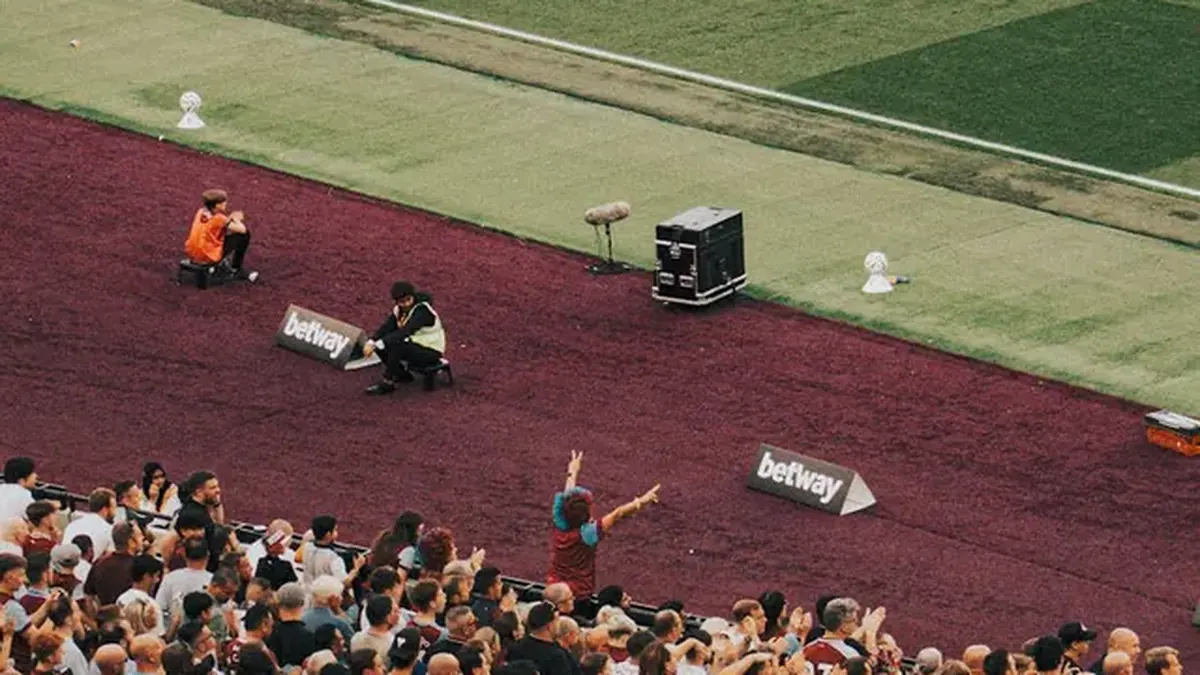
Seats from the old Stretford End, replaced during the 2000 redevelopment, are among the most iconic examples of this category. Each seat, typically bearing a plaque indicating its original location, offers a direct physical link to the atmosphere of that legendary stand. Similarly, advertising hoardings, tunnel signs, and even sections of the pitch turf have been sold as official memorabilia. The provenance of such items is crucial; collectors should ensure they are acquiring items officially released by the club or through authorised partners, rather than unauthorised salvaged materials.
The Intersection of Memorabilia and Community
The collecting of Old Trafford memorabilia is inextricably linked to the broader community of Manchester United supporters. The stories behind the items—the match attended, the player met, the generation passed down—form the emotional core of any collection. This community dimension is explored in greater depth in the article on Old Trafford community impact, which examines how the stadium serves as a focal point for fan identity and shared history.
Collectors often find that the most rewarding aspect of their pursuit is not the financial value of their acquisitions but the connections they forge with fellow enthusiasts. Online forums, dedicated collector groups, and memorabilia fairs provide opportunities to share knowledge, verify authenticity, and trade items. The preservation of these artefacts for future generations is a responsibility that the collecting community takes seriously, ensuring that the tangible history of the Theatre of Dreams remains accessible long into the future.
The Significance of Stadium Ghost Stories in Memorabilia
An often-overlooked dimension of Old Trafford memorabilia is its connection to the stadium’s more enigmatic history. The Munich air disaster, the tragic event that claimed the lives of eight Busby Babes, has left an indelible mark on the club’s identity. Memorabilia from the immediate post-Munich period, including match programmes, memorial service booklets, and fundraising materials, carries a profound emotional weight. These items are not merely collectables; they are artefacts of mourning and resilience.
The stories and legends surrounding the stadium, including tales of ghostly sightings and unexplained phenomena, are part of the broader cultural fabric of Old Trafford. These narratives, explored in the article on Old Trafford ghost stories, add a layer of mystique to the collecting experience. Items associated with the Munich anniversary matches, such as commemorative scarves and limited-edition programmes, are particularly valued by collectors who seek to honour the memory of those lost. The intersection of tragedy, memory, and memorabilia creates a unique category that demands sensitivity and respect from collectors.
A Comparative Overview of Memorabilia Categories
The following table provides a comparative overview of the primary categories of Old Trafford memorabilia, offering guidance on relative rarity, price range, and authentication requirements.
| Category | Relative Rarity | Typical Price Range | Authentication Required |
|---|---|---|---|
| Match-day programmes (pre-1970) | High | £50–£5,000+ | Moderate (condition grading) |
| Match-day programmes (1970–2000) | Moderate | £10–£500 | Low (condition grading) |
| Ticket stubs (historic matches) | High | £100–£10,000+ | High (photographic verification) |
| Signed photographs (legends) | Moderate | £100–£2,000+ | High (COA from recognised service) |
| Signed shirts (modern era) | Moderate | £300–£5,000+ | High (COA and photomatching) |
| Commemorative items (limited edition) | Low to Moderate | £50–£1,000+ | Moderate (COA and numbering) |
| Stadium infrastructure items | Low to Moderate | £100–£2,000+ | High (provenance documentation) |
| Post-Munich memorabilia | High | £100–£10,000+ | High (historical verification) |
Key Considerations for Collectors
Building a meaningful collection of Old Trafford memorabilia requires careful consideration of several factors beyond simple acquisition. The following table outlines the primary risks and recommended mitigation strategies for new and experienced collectors alike.
| Risk Factor | Description | Mitigation Strategy |
|---|---|---|
| Forgery | Counterfeit signatures and items are prevalent in the market | Use only recognised authentication services; verify provenance |
| Condition degradation | Paper items, photographs, and textiles can deteriorate over time | Store items in archival-quality materials; control temperature and humidity |
| Market volatility | Prices for specific items can fluctuate based on club performance and market trends | Focus on historical significance rather than short-term investment potential |
| Authentication disputes | Disagreements over authenticity can arise between sellers and buyers | Insist on written guarantees and return policies; seek third-party opinions |
| Overpayment | Emotional attachment can lead to paying above market value | Research recent auction results; consult price guides and collector forums |
Conclusion: The Enduring Value of Tangible History
Old Trafford stadium memorabilia offers a unique and irreplaceable connection to the history of Manchester United Football Club. From the match-day programmes that chronicle the club’s journey to the signed shirts of its greatest legends, each item carries a story that enriches the understanding of the Theatre of Dreams. The pursuit of these artefacts is an act of preservation, ensuring that the memories of triumphs and tragedies, of legendary players and historic matches, remain tangible for future generations.
For the collector, the greatest reward lies not in the financial appreciation of their acquisitions but in the knowledge that they are custodians of history. Whether acquiring a programme from the 1968 European Cup final or a seat from the old Stretford End, each addition to a collection is a brick in the edifice of the club’s memory. As the infrastructure of Old Trafford continues to evolve, with discussions about redevelopment and the club’s future direction ongoing, the memorabilia of its past becomes ever more precious. The Theatre of Dreams may change, but its history, preserved in the collections of its devoted fans, will endure.
Reader Comments (0)