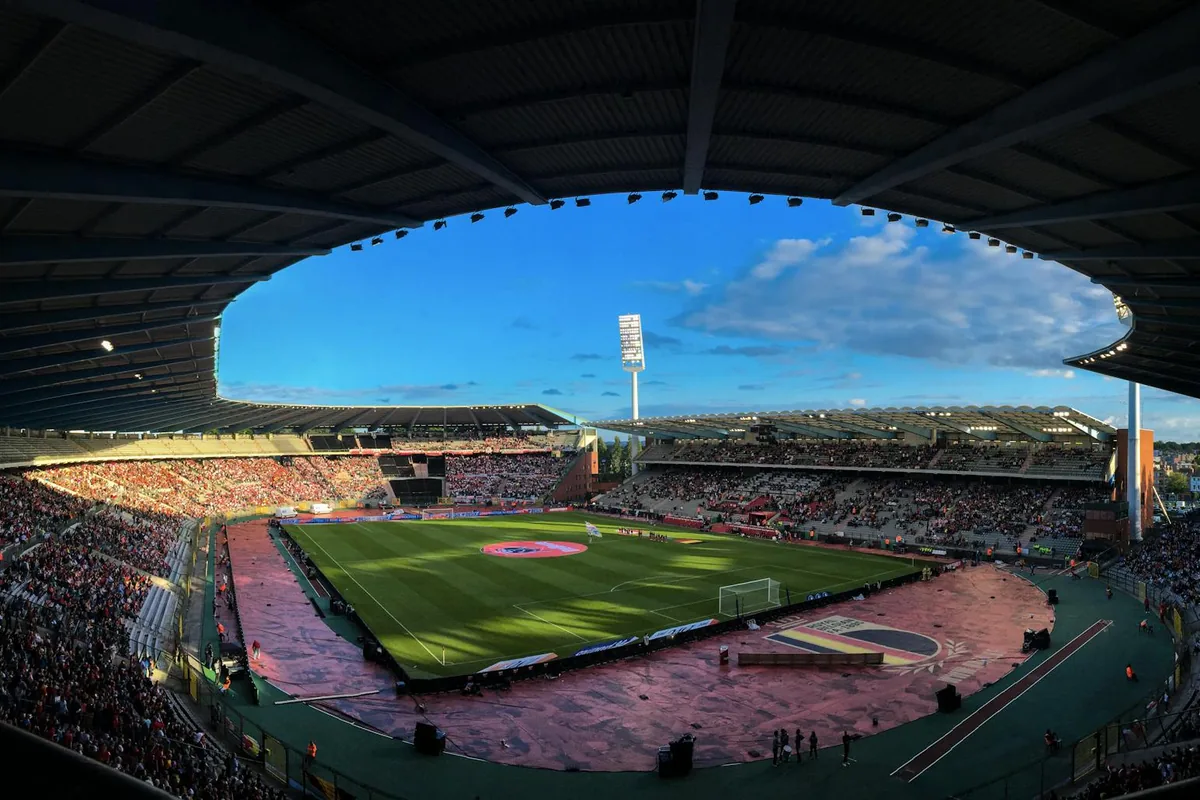
The Fiercest Rivalry of the 90s: Manchester United vs Arsenal Wenger-Ferguson Battles
The 1990s Premier League landscape was defined by one seismic clash of ideologies and personalities: Sir Alex Ferguson’s Manchester United versus Arsène Wenger’s Arsenal. This was more than a football rivalry; it was a cultural war between two dynasties, two managers with iron wills, and two squads built in their image. The battles for supremacy between 1996 and the turn of the millennium forged the most intense and compelling competition English football had seen in decades, setting the stage for Manchester United's historic achievements, including the legendary 1999 Treble season.
The Prelude: United's Early Dominance
Before Arsène Wenger's arrival in 1996, Manchester United, under Sir Alex Ferguson, had already begun establishing their dominance. Having ended the club's 26-year title drought in 1993, Ferguson built a formidable side blending homegrown talent like Ryan Giggs and Paul Scholes with astute signings like Eric Cantona and Peter Schmeichel. By 1996, United had won three of the first four Premier League titles. The landscape shifted dramatically in September 1996 with the appointment of the relatively unknown Frenchman, Arsène Wenger, at Arsenal. His methods, philosophies, and immediate success challenged United's throne and ignited a personal duel with Ferguson that would captivate the nation.
Clash of Philosophies: Ferguson's Fire vs. Wenger's Science
The core of the rivalry was the stark contrast between the two managerial giants. Sir Alex Ferguson, the master of psychological warfare and relentless drive, embodied a traditional British intensity. His 26-year reign of dominance was built on an unwavering winning mentality. In contrast, Arsène Wenger was the revolutionary intellectual. He introduced radical dietary changes, advanced training techniques, and a continental focus on possession and technical grace. This clash—passion versus precision, British grit versus continental flair—played out in every encounter, both on the pitch and in the incendiary mind games conducted through the media.
Key Battlegrounds: The Title Races
The rivalry crystallized in two epic Premier League title duels. The 1997-98 season saw Wenger’s Arsenal, powered by the formidable midfield of Patrick Vieira and Emmanuel Petit and the goals of Dennis Bergkamp, overhaul a substantial Manchester United lead to win the Double. This was a shocking blow to Ferguson’s project and proved Wenger was a genuine threat. United’s response was emphatic. The following season, 1998-99, became the pinnacle of Ferguson’s career as United secured an unprecedented Treble, pipping Arsenal to the Premier League title by a single point in a nerve-shredding race. This era was a cornerstone of Manchester United's 1990s dynasty.
Iconic Encounters and Flashpoints
The fixtures between the teams were rarely mere football matches; they were visceral, high-stakes wars. Key moments include:
- November 1997: Arsenal's 3-2 victory at Highbury, a statement win that announced their title credentials.
- September 1998: Arsenal's 3-0 win at Highbury, with Bergkamp's sublime hat-trick, marking a shift in power.
- April 1999: The epic FA Cup semi-final replay, decided by Ryan Giggs' sensational solo goal, keeping United's Treble dream alive.
- The infamous on-pitch brawls, particularly in the tunnel at Old Trafford, which highlighted the sheer animosity and competitive fire between players like Roy Keane and Patrick Vieira.
The Players: Warriors in Red and White
The rivalry was personified by the warriors on the pitch. For Manchester United, the leadership of Roy Keane was paramount. His midfield battles with Arsenal's Patrick Vieira became the stuff of legend, a brutal and brilliant contest for physical and psychological supremacy. In attack, the mercurial genius of Eric Cantona and the emerging class of Dwight Yorke and Andy Cole faced off against Arsenal's rock-solid defence marshalled by Tony Adams and Martin Keown. These individual duels within the collective war elevated every contest.
Legacy and Lasting Impact
The Ferguson-Wenger rivalry of the 1990s transformed the Premier League. It raised standards, intensified competition, and created a narrative goldmine for the burgeoning global audience. For Manchester United, overcoming Arsenal's fierce challenge was the ultimate test that forged their historic Treble-winning mentality. This period cemented the club's status not just as a domestic force, but as a global brand and worldwide phenomenon. The rivalry also set the template for future battles, influencing how the club approached major fixtures in the decades that followed.
While the conflict evolved and continued into the 2000s, the pure, unadulterated hostility and balance of power in the late 90s remains unique. It was a defining chapter in the history of both clubs, a testament to the power of managerial vision, and the catalyst for some of the most memorable football the English game has ever witnessed. For a deeper look at how this rivalry fit into the broader context of the club's story, explore our complete Manchester United history timeline.
To understand more about the tactical and historical context of this era, the Premier League's official history section provides excellent archival footage and statistics. Furthermore, detailed analyses of key matches can often be found through authoritative sports archives like The Guardian's football section.