Moscow 2008: Manchester United's Champions League Triumph
The Luzhniki Stadium in Moscow was shrouded in a persistent, misty rain on May 21, 2008, setting a dramatic stage for European football’s grandest occasion. For Manchester United, this Champions League final against Chelsea represented more than just a quest for a third European crown; it was the culmination of a season of dominance and a chance to etch a new chapter in the club’s storied history. The ensuing 120 minutes, followed by a nerve-shredding penalty shootout, delivered one of the most iconic and dramatic nights in the club's modern era, a victory that symbolized the peak of Sir Alex Ferguson’s second great United team.
The Road to Moscow: A Season of Dominance
Manchester United’s path to the final was built on a foundation of defensive solidity and attacking flair. Having reclaimed the Premier League title from Chelsea the previous season, Ferguson’s side entered the 2007/08 campaign with a potent blend of youth and experience. The attacking trio of Cristiano Ronaldo, Wayne Rooney, and Carlos Tevez was devastating, while the bedrock of Edwin van der Sar, Rio Ferdinand, and Nemanja Vidić provided formidable security. This balance was the hallmark of what many consider one of Ferguson’s most complete squads, a team capable of both scintillating football and gritty resilience. You can explore the foundations of this success in our analysis of The 1990s Dynasty: Analyzing Manchester United's Decade of Dominance.
In the Champions League, United navigated a tough group featuring Roma and Sporting Lisbon before overcoming Lyon in the Round of 16. A breathtaking quarter-final victory over AS Roma, avenging the previous season’s defeat, was followed by a tense semi-final against Barcelona. A Paul Scholes thunderbolt at Old Trafford proved the difference across two legs, sending United to Moscow and setting up an all-English final against their domestic rivals, Chelsea.
A Tactical Chess Match Under the Russian Rain
The final itself was a tense, physical affair that reflected the intense Premier League rivalry between the two sides. Sir Alex Ferguson opted for a 4-4-1-1 formation, with Ronaldo operating in a free role behind lone striker Rooney. Chelsea, managed by Avram Grant, matched United’s physicality in midfield, with Michael Essien and Claude Makélélé tasked with disrupting United’s rhythm.
United started brighter and took a deserved lead in the 26th minute. Wes Brown delivered a superb cross from the right, and an unmarked Cristiano Ronaldo powered a header past Petr Čech for his 42nd goal of a phenomenal season. United controlled much of the first half, but Chelsea grew into the game. Their pressure told just before halftime when a fortunate deflection off Rio Ferdinand and Patrice Evra fell to Frank Lampard, who slotted home the equalizer.
Surviving the Storm: Drogba's Red and the Woodwork
The second half and extra time were a story of survival and near misses. Chelsea struck the woodwork twice, first through a Lampard turn and shot that hit the crossbar, and later when a Didier Drogba curler smashed against the post. United also had chances, with Ryan Giggs—on as a substitute and making a record 759th appearance for the club—seeing a close-range effort brilliantly cleared off the line by John Terry. The game’s major flashpoint came in the 116th minute when Didier Drogba was sent off for slapping Nemanja Vidić, reducing Chelsea to ten men for the concluding moments and the impending penalty shootout.
The Agony and Ecstasy: The Penalty Shootout
With the score locked at 1-1 after 120 minutes, the destiny of the European Cup would be decided from twelve yards. The shootout began in the worst possible fashion for United as Cristiano Ronaldo saw his effort saved by Čech. When Chelsea captain John Terry stepped up to take the fifth penalty, which would win the trophy for the Blues, the narrative seemed written. Yet, in a moment of cruel irony, Terry lost his footing on the sodden turf and sent his shot against the post, handing United a lifeline.
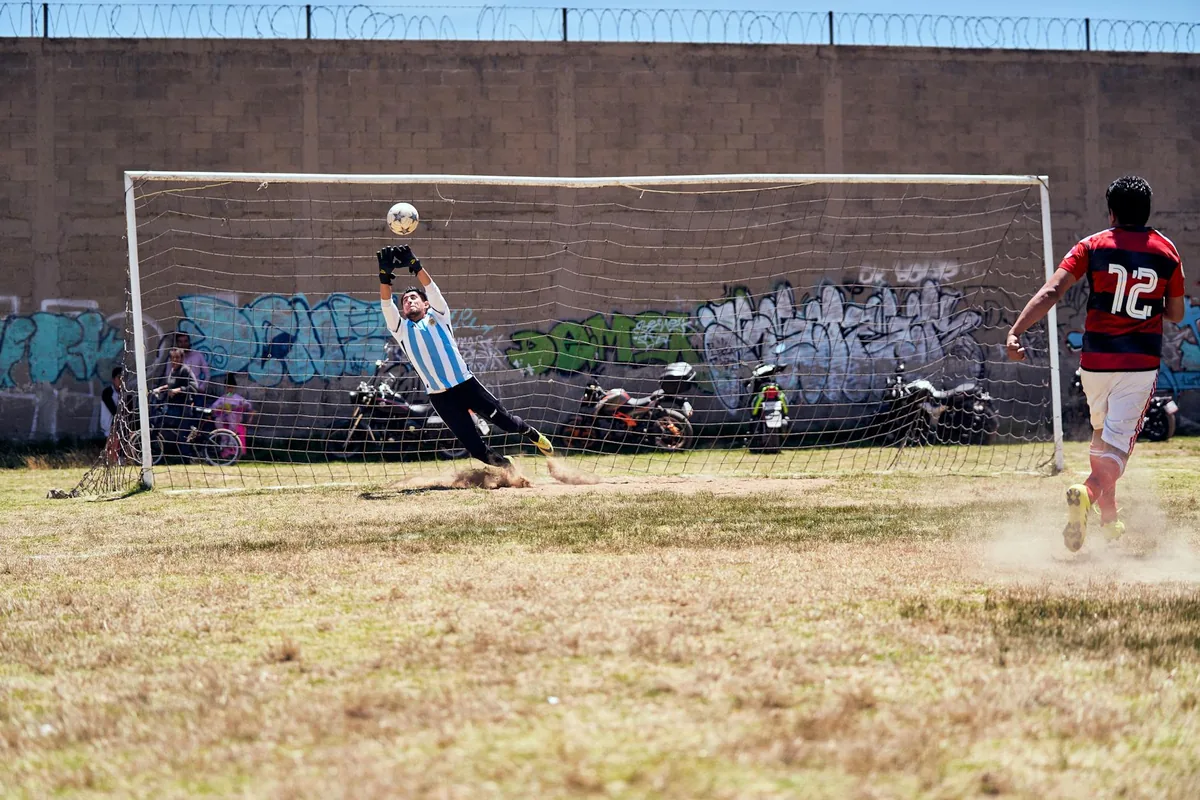
After successful conversions from Anderson and Ryan Giggs for United, and Kalou for Chelsea, the shootout moved to sudden death. Edwin van der Sar, who had been studying Chelsea’s penalty habits, made the decisive move. As Nicolas Anelka stepped up for Chelsea’s seventh penalty, the Dutch goalkeeper pointed to his left, suggesting he knew where the ball was going. He then dove to his right to palm away Anelka’s effort, sealing a 6-5 shootout victory and sparking wild celebrations among the United players and staff.
Legacy of the Triumph: Cementing a New Era
The victory in Moscow was profoundly significant for multiple reasons. Firstly, it secured Manchester United’s third European Cup, moving them level with Liverpool’s tally at the time and affirming their status as England’s premier club on the continental stage. It completed a memorable double, having already secured the 2007-08 Premier League Title in a thrilling race with Chelsea.
Secondly, it represented the crowning achievement for a generation of players. For Ryan Giggs and Paul Scholes, it was a second Champions League medal, bridging the gap between the 1999 treble winners and this new side. For Cristiano Ronaldo, it solidified his claim to the Ballon d’Or, which he would win later that year. The triumph also validated Sir Alex Ferguson’s rebuilding project in the 2000s, proving he could construct a second, distinct team capable of conquering Europe. This achievement sits proudly within the broader context of his tenure, detailed in our Sir Alex Ferguson Era: Complete Guide to 26 Years of Dominance.
The emotional weight of the victory was also tied to the club’s history. It came 50 years after the Munich Air Disaster and 40 years after the club’s first European Cup win under Sir Matt Busby at Wembley. The spirit of resilience that defined the club’s recovery from tragedy, as chronicled in The Munich Air Disaster: How Tragedy Shaped Manchester United's Identity, was echoed in the never-say-die attitude displayed in Moscow.
Conclusion: A Night of Eternal Rain and Red Glory
The 2008 Champions League final remains a defining moment in the modern history of Manchester United. It was a victory earned not through pure flair, but through grit, resilience, and collective spirit—hallmarks of the club’s identity. The images of John Terry’s slip, Edwin van der Sar’s save, and Sir Alex Ferguson lifting the trophy in the Russian rain are forever etched in football folklore. The triumph in Moscow was not just a trophy; it was the zenith of a brilliant team and a powerful reminder of Manchester United’s enduring capacity for drama and glory on the biggest stage. For further reading on UEFA's official records and match details, visit the UEFA official match report.