Manchester United's Defensive Organization: Strengths and Vulnerabilities
Manchester United's defensive structure in the 2024 season presents a complex tactical picture, characterized by moments of resilience undermined by persistent vulnerabilities. The system, often built on a foundation of proactive pressing and a mid-block, aims to control space and initiate attacks from the back. However, its effectiveness is frequently tested by injuries, individual errors, and lapses in collective concentration. This analysis breaks down the key strengths and weaknesses that define United's rearguard.
The Tactical Foundation: Pressing and Shape
Under the current management, United's primary defensive strategy is to engage opponents in the middle third of the pitch. The team typically employs a 4-2-3-1 or 4-3-3 formation that morphs into a 4-4-2 or 4-5-1 without possession. The intent is to force turnovers in advantageous areas, allowing for quick transitions—a historical hallmark of successful Manchester United teams from the 1990s dynasty. The forward line, led by a central striker, triggers the press, with the attacking midfielders and wingers tasked with cutting off passing lanes to the opposition's midfield pivot.
When executed cohesively, this approach can suffocate opponents and create high-quality scoring chances from regained possession. The defensive unit aims to hold a relatively high line, compressing the space between the midfield and defense. This requires exceptional understanding and communication between the center-backs and a disciplined holding midfielder, a role once perfected by legends like Roy Keane, whose organizational skills were paramount.
Strength: Defensive Transitions and Counter-Pressing
One of United's most notable strengths is their immediate reaction to losing the ball. The concept of counter-pressing, or "gegenpressing," sees players closest to the ball instantly apply pressure to win it back within seconds. This disrupts the opponent's counter-attack at its source and has been a key factor in United's ability to dominate periods of games. The energy and tactical discipline required for this are immense, but when synchronized, it turns defense into a potent attacking weapon.
Vulnerability: Space Behind the Full-Backs
A significant and recurring weakness stems from the tactical demand placed on the full-backs. In possession, they are expected to provide width and attacking overlap, which can leave vast expanses of space behind them when possession is turned over. Teams with rapid wingers and accurate long-passing midfielders have repeatedly exploited this channel. The recovery speed of the center-backs and the defensive awareness of the wingers tracking back are critical, but this area remains a consistent point of attack for opponents.
Individual Quality and Partnership Concerns
The success of any defensive system hinges on the quality and consistency of its individuals. United have invested heavily in their backline, but injuries and form fluctuations have prevented the establishment of a settled, long-term partnership reminiscent of iconic duos like Vidić & Ferdinand. The 2024 season has seen numerous pairings, disrupting the development of essential non-verbal communication and understanding.
Strength: Aerial Dominance and Physicality
When fit and focused, United's central defenders are formidable in physical duels. They generally excel in aerial challenges, both defensively and offensively during set-pieces. This strength makes United a difficult side to break down via crosses and long balls into the box, a traditional route of attack in the Premier League. The presence of a commanding, physical center-back can deter opponents from playing direct football.
Vulnerability: Concentration Lapses and Individual Errors
Perhaps the most damaging vulnerability has been the propensity for costly individual mistakes. These range from poor back-passes and miscontrolled balls in dangerous areas to positional errors during sustained opposition pressure. Such lapses are often punished at the highest level and have directly cost United points. They point not just to technical failure but sometimes to a lack of defensive leadership and organization under pressure, a stark contrast to the resilience shown during eras like the post-war rebuilding under Matt Busby.
Set-Piece Defense: A Mixed Bag
Set-piece defense has been a particular area of scrutiny. United's organization on corners and free-kicks has shown inconsistency. There have been matches marked by robust, well-drilled defending, but also games where zonal marking confusion or a failure to track runners has led to soft concessions. The departure of set-piece specialists in the coaching staff in recent years has been noted, and the team's performance in these situations often reflects their overall defensive confidence. For a deeper look at this specific aspect, read our analysis of Manchester United's set-piece strategies.
The Goalkeeper's Role in the System
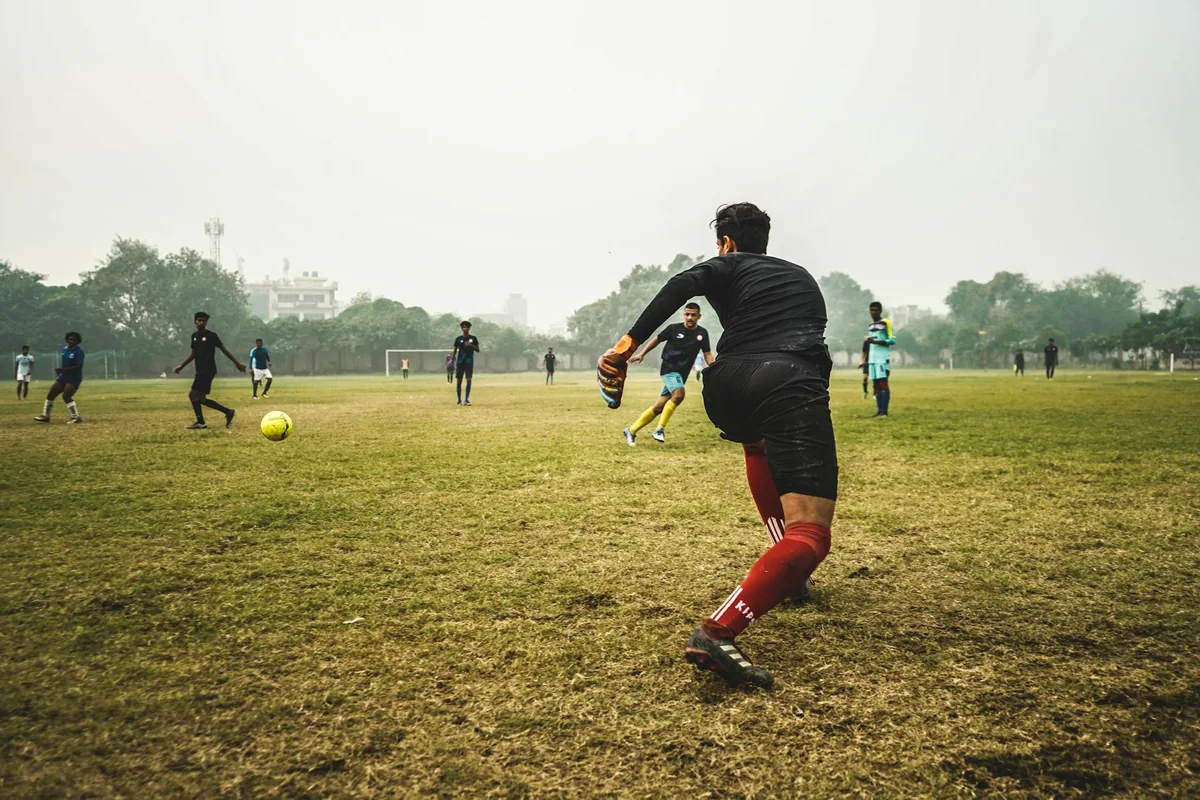
The modern goalkeeper is integral to a team's defensive organization, acting as a sweeper and the first line of distribution. United's keepers are instructed to play out from the back, inviting pressure to draw opponents in and create space further upfield. This is a high-risk, high-reward strategy that tests the composure of both the goalkeeper and the center-backs receiving the ball under pressure.
While this can help bypass an opposition press, it has also been the source of several nerve-wracking moments and direct goals conceded. The balance between playing constructively and avoiding unnecessary risk is delicate. The presence of a truly authoritative, communicative goalkeeper can settle an entire defensive line, a trait exemplified by Peter Schmeichel, who revolutionized goalkeeping at Manchester United with his command of the penalty area.
Looking Ahead: Building a Cohesive Unit
The path to a more robust defense lies in consistency—in selection, in tactical instruction, and in performance. The foundations of a proactive, pressing system are evident, but they require time and stability to bear fruit. Reducing the injury burden is paramount to allowing a preferred back four to develop an almost intuitive understanding. Furthermore, the integration of a disciplined, positionally-aware defensive midfielder can provide essential protection, shielding the center-backs and covering for advancing full-backs.
Historical context is important; United's identity has been shaped by resilience forged in adversity, from the tragedy of the Munich Air Disaster to the relentless winning mentality of the Ferguson era. The current defensive project must channel that legacy of collective strength. For continued analysis on the squad's composition, explore our complete guide to the current Manchester United squad.
Ultimately, Manchester United's 2024 defensive organization is a work in progress with a clear tactical identity but glaring points of failure. Addressing the vulnerabilities in transition, eliminating individual errors, and achieving greater set-piece consistency are the key challenges. If these can be solved, the inherent strengths of the system provide a solid platform for the sustained success the club and its global fanbase demand. For broader tactical insights, external resources like The Analyst offer detailed data-driven breakdowns of Premier League teams, while the league's official site provides defensive statistics and metrics for further comparison.