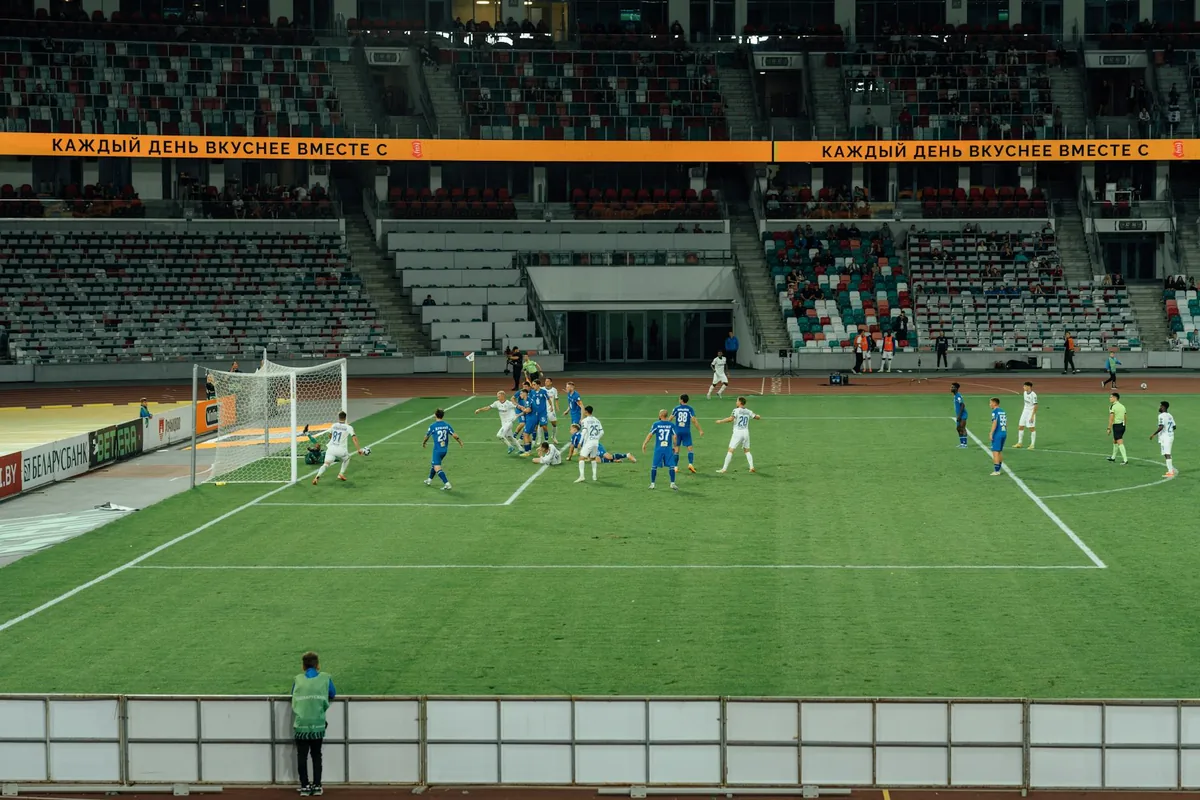
Injury Crisis Management: How Manchester United Coped in 2024
The 2024 season presented Manchester United with one of its most severe squad challenges in recent memory: a debilitating injury crisis that tested the depth, resilience, and strategic planning of the entire football operation. At its peak, the treatment room housed key figures across defense, midfield, and attack, forcing the manager and club into a period of intense adaptation. This analysis examines the multifaceted approach United employed to navigate this turbulent period, from tactical reshuffles and youth integration to sports science interventions, revealing a story of resilience forged under pressure.
The Scale of the Crisis: A Squad Stretched to Its Limits
The crisis was not a single event but a cascading series of muscular injuries, knocks, and long-term absences that coincided with a congested fixture schedule across the Premier League and European competition. Key defenders, the engine room of midfield, and primary attacking outlets were simultaneously sidelined. This created a perfect storm, stripping the team of its established spine and forcing a reliance on players who began the season as squad options or academy prospects. The situation echoed historical moments where United's depth was tested, though the modern game's physical demands presented unique challenges. Managing such crises is a part of a top club's reality, a test of infrastructure that separates contenders from the rest.
Key Absences and Their Immediate Impact
The most damaging blows came in defense and midfield. The absence of a first-choice center-back partnership disrupted defensive cohesion, while injuries to pivotal midfielders robbed the team of both defensive solidity and creative distribution. This double-whammy made United vulnerable in transition and less potent in possession. Up front, the loss of a consistent goal threat increased the burden on remaining attackers, affecting the team's overall confidence and game management. Each absence had a ripple effect, altering the team's tactical identity and forcing a recalibration of strengths and weaknesses on a weekly basis.
Tactical Adaptation and System Flexibility
Faced with a depleted roster, the coaching staff's primary task was to devise a system that maximized the available personnel's strengths while masking their collective limitations. This period saw a notable shift in tactical approach.
Formational Shifts and Pragmatic Football
United occasionally moved away from a preferred possession-based 4-3-3 to more compact and pragmatic shapes, such as a 3-5-2 or a 4-4-2 diamond. These formations aimed to provide greater defensive coverage, simplify midfield roles, and create partnerships up front to compensate for a lack of individual brilliance. The focus shifted towards organizational resilience, disciplined positioning, and exploiting set-pieces—a testament to the staff's ability to be pragmatic. This adaptability is a hallmark of great management, reminiscent of the strategic shifts seen during Sir Alex Ferguson's 26 years of dominance, where system flexibility was key to sustained success.
Role Reassignment and Simplified Instructions
Players were often asked to perform unfamiliar roles. Full-backs operated as wing-backs or even makeshift center-backs. Attacking midfielders were deployed in deeper, more disciplined positions. The key to making this work was simplification. Individual player instructions were streamlined, emphasizing core responsibilities and reducing tactical complexity. This allowed players to focus on execution without overthinking, fostering a "next man up" mentality within the squad.
The Academy Lifeline: Integrating Youth
Perhaps the most positive outcome of the injury crisis was the accelerated pathway it provided for Manchester United's next generation. The club's famed youth system, with its rich history of production, was called upon to fill the gaps.
Several academy graduates received their first sustained runs in the first team during this period. Their integration was managed carefully: initially given minutes off the bench in lower-pressure situations, they were gradually entrusted with starts as they demonstrated readiness. This baptism by fire provided invaluable experience and highlighted the continued importance of the Manchester United Academy's 2024 prospects. The club's philosophy of youth development, a thread running from the Busby Babes to the Class of '92, once again proved its worth, turning a crisis into an opportunity for renewal. The long-term benefits of this integration for the club's youth integration strategy could be significant.
Sports Science and Medical Department Under the Microscope
The sheer volume of injuries inevitably led to scrutiny of the club's medical and sports science protocols. In response, United undertook a comprehensive review of its processes.
Prevention, Load Management, and Recovery
The focus intensified on individualized load monitoring, using GPS data and biometrics to tailor training regimens for each player, especially those with injury histories or returning from layoffs. Recovery protocols were enhanced, incorporating advanced cryotherapy, hydrotherapy, and nutrition plans aimed at accelerating healing and reducing the risk of re-injury. According to a review published in the *British Journal of Sports Medicine*, effective load management is critical in mitigating injury risk during periods of fixture congestion, a principle United sought to apply rigorously (BJSM, 2023).
Psychological Support and Reintegration
Beyond physical recovery, the club emphasized the psychological aspect of injuries. Players undergoing long-term rehabilitation received structured mental conditioning support to maintain motivation and a connection to the team. The reintegration phase was carefully staged, involving controlled minutes with the U21s or in non-competitive settings before a first-team return, ensuring players regained match sharpness and confidence without being thrown into the deep end prematurely.
The Leadership Response: Manager and Senior Players
Navigating a crisis of this magnitude required strong leadership from both the technical staff and the squad's core. The manager's public messaging consistently focused on collective responsibility and opportunity, deflecting pressure from individual young players and fostering a siege mentality. Behind the scenes, communication with the medical team was streamlined to provide clear timelines and manage expectations.
On the pitch, the burden fell to the available senior professionals and captain. Their role in organizing, encouraging, and setting standards for the younger players was invaluable. This dynamic of experienced heads guiding youthful talent is a recurring theme in United's history, from the post-Munich rebuilding to the early years of Ferguson's tenure. The leadership shown during this period was less about vocal rallying cries and more about daily example and on-pitch guidance, holding the team together when its structural integrity was most compromised.
Long-Term Implications and Lessons Learned
The 2024 injury crisis, while a severe short-term obstacle, provided the club with critical data and lessons that will inform future strategy. It served as a stress test for the squad's depth, clearly highlighting areas where the roster was over-reliant on specific individuals and under-resourced in terms of proven alternatives. This audit will undoubtedly influence summer 2025 transfer targets, with a likely emphasis on robustness, versatility, and reducing the age profile in key positions.
Furthermore, the successful integration of academy players has reshaped the pathway to the first team, proving that talent exists within the system and can be trusted. It also reinforced the need for a flexible tactical model that can withstand personnel changes. Ultimately, how a club of Manchester United's stature manages adversity defines its season and its culture. The response in 2024—a blend of tactical pragmatism, faith in youth, and scientific rigor—demonstrated a resilience that aligns with the club's enduring identity, a trait forged through even greater tragedies like the Munich Air Disaster and subsequent periods of rebuilding. The experience, though painful, added a new layer of depth and resolve to the ongoing project at Old Trafford.