Matchday Rituals: Iconic Fan Traditions at Old Trafford and Beyond
For Manchester United supporters, matchday is a sacred ritual, a weekly pilgrimage steeped in tradition and shared identity. It transcends the ninety minutes on the pitch, weaving a tapestry of pre-match anticipation, in-song communion, and post-match reflection. These customs, passed down through generations, are the lifeblood of the club's culture, connecting the global "Red Army" to the hallowed turf of Old Trafford, the Theatre of Dreams. This exploration delves into the iconic fan traditions that define the Manchester United experience, from the streets of Stretford to pubs across the planet.
The Pre-Match Pilgrimage: Journey to the Theatre
The ritual begins long before kick-off. For local fans, the journey to Old Trafford is a familiar procession. Pubs like The Bishop Blaize, The Trafford, and Sam Platts become buzzing hubs of anticipation. Here, generations mingle, stories of past glories are retold, and the matchday atmosphere is first ignited. The walk down Sir Matt Busby Way, past the statues of Sir Bobby Charlton, Denis Law, and George Best, is a moment of reverence, a physical connection to the club's monumental history. For many, visiting the Munich Memorial or the Trinity statue is a quiet, personal tribute, grounding the day's excitement in the club's profound legacy of triumph and tragedy, a story that began with the club's humble beginnings as Newton Heath.
Global Rituals: United from Afar
For the vast majority of the club's estimated 1.1 billion followers worldwide, the pilgrimage is virtual but no less fervent. From New York to Nairobi, official supporters' clubs gather in designated bars in the early hours or late evenings, replicating the communal spirit. Wearing the shirt, sharing a pint (or a coffee), and singing the chants in unison thousands of miles from Manchester affirms a global identity. This worldwide phenomenon is a testament to the club's evolution into a global brand, built on decades of success and charismatic figures.
The Soundtrack of Support: Chants and Choruses
The audible soul of Old Trafford is its songbook. These chants are more than encouragement; they are historical narratives, declarations of love, and tools of unity.
- "Glory, Glory Man United": The club's anthem, adapted from "The Battle Hymn of the Republic," swells around the stadium before kick-off and after goals, a powerful, unifying hymn.
- "We'll Never Die": A poignant, slower chant that speaks directly to the club's resilience, particularly associated with the memory of the Munich Air Disaster and the indomitable spirit that followed.
- "20 Times Man United": A triumphant, factual boast celebrating the club's record number of English league titles, a legacy heavily defined by the Sir Alex Ferguson era.
- Player-specific chants: From the classic "Who put the ball in the Germans' net?" for Ole Gunnar Solskjær to the modern odes for current heroes, these songs personalize the bond between fans and players.
The Stretford End, in particular, acts as the conductor of this red choir, maintaining the volume and tempo throughout the match. The rise of fan channels and social media has helped standardize these chants across the global support, ensuring a Singaporean fan knows the same words as one from Salford.
In-Stadium Icons: The Matchday Tapestry
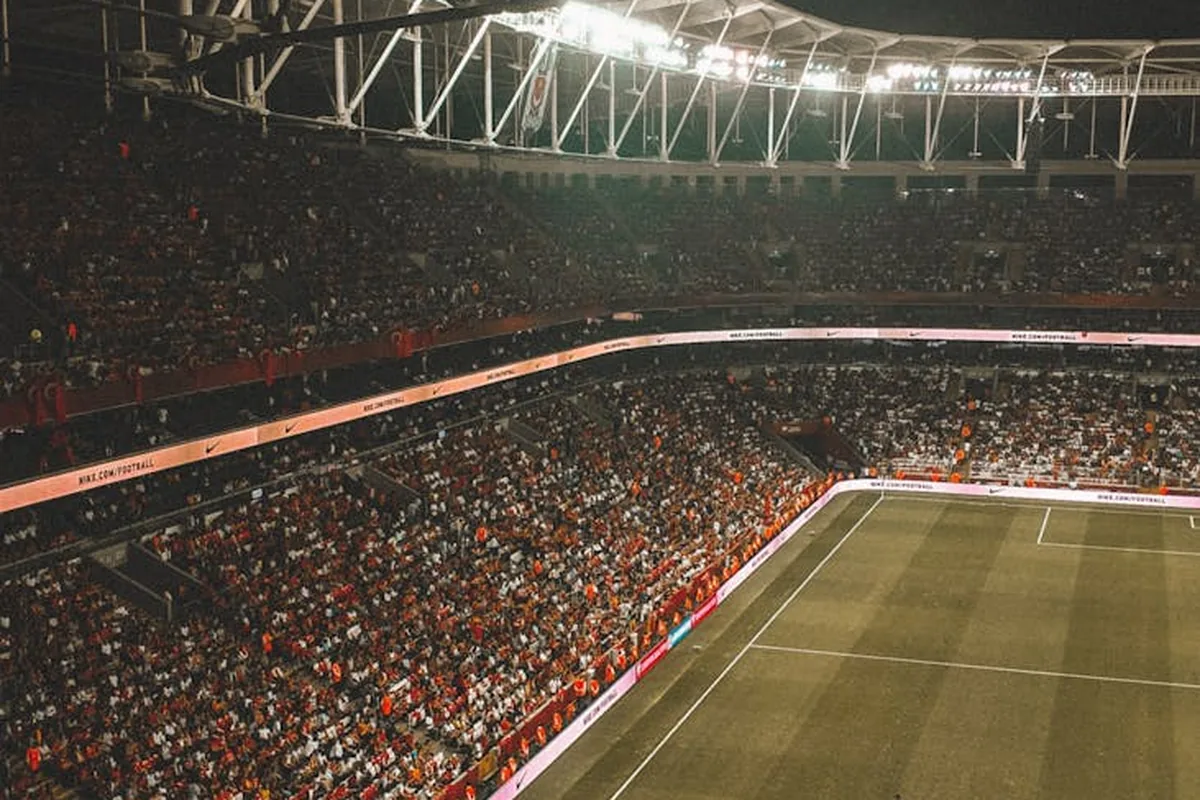
Inside Old Trafford, specific moments are ritualized. The roar that greets the team's emergence from the tunnel, accompanied by the iconic "United, United!" chant, is a wall of sound designed to intimidate opponents and inspire heroes. The ritual of the "pie and a pint" at halftime is a staple, as is the collective scanning of the stadium screens for other scores. The waving of red-and-white scarves, a tradition dating back decades, creates a visual sea of unity, especially during big European nights under the lights. The club actively engages with this culture; for example, the Manchester United Foundation often coordinates displays or moments of remembrance, linking the present-day club to its community and history.
Post-Match Traditions: Celebration and Commiseration
The final whistle doesn't end the rituals. A victory sees the stands erupt, with fans often remaining to applaud the players' lap of honor (a tradition itself). The singing continues in the concourses and on the packed Metrolink trams back into the city centre. Defeat brings a more somber, but often still united, reflection—debating tactics in pubs, analyzing performances, and reaffirming support through the disappointment. This cyclical nature of hope, joy, and sometimes despair is part of the binding contract of fandom.
Special Occasions and Memorials
Certain fixtures and anniversaries carry heightened ritual significance. The Munich Memorial service each February 6th is the most solemn, where fans gather at Old Trafford to lay flowers and scarves in silent tribute, remembering the Busby Babes and the promise that was lost. The anniversary of the 1999 UEFA Champions League final is often marked by spontaneous renditions of "Campiones," celebrating the pinnacle of the historic Treble season. Wearing retro kits from glory eras, like the 1999 Sharp shirt or the 1968 blue European Cup final kit, is another way fans visually connect with past triumphs.
The Living Tradition
Manchester United's fan traditions are not museum pieces; they are living, breathing practices that evolve. New chants are born for new heroes, global fan clubs create their own local customs, and digital forums become new spaces for pre-match buildup. Yet, the core remains unchanged: a profound sense of belonging to a community with a shared history and a common hope. These rituals are the threads that connect the modern, global superclub to its working-class roots, the fan in the Stretford End to the fan in a Sydney sports bar. They are what transform a football match into a shared cultural experience, ensuring that supporting Manchester United is never just about watching a game—it's about participating in a enduring, worldwide tradition. For those planning to experience it firsthand, a comprehensive matchday guide can help navigate the customs. To understand the full scope of this supporter culture, the club's official "United Way" section offers further insight, while academic works like those found on Taylor & Francis Online's soccer studies journals explore the sociology of such football rituals.