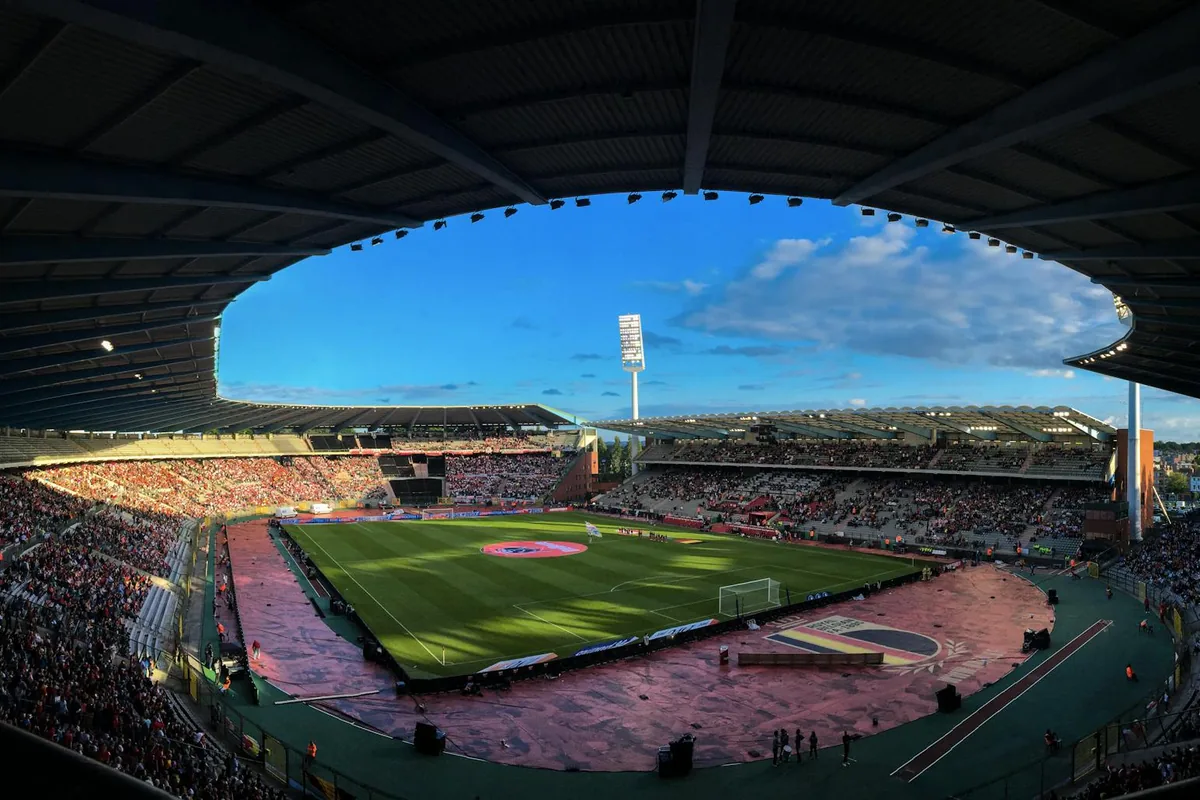
Fierce Rivalries: Manchester United vs. Liverpool, City, and Arsenal
For over a century, the story of Manchester United has been written not just in trophies and triumphs, but in the white heat of fierce competition. Rivalries are the lifeblood of football, defining eras, testing character, and creating legends. For the Red Devils, three fixtures stand above all others in intensity, history, and significance: the clashes with Liverpool, Manchester City, and Arsenal. These are more than just games; they are cultural battles, tactical chess matches, and chapters in a never-ending saga for supremacy.
The North-West Derby: Manchester United vs. Liverpool
This is the one. The most decorated fixture in English football, a rivalry born from industrial power and sustained by a relentless pursuit of being the best. Separated by just 35 miles, the Manchester United vs. Liverpool clash transcends sport, representing a historic competition between two great cities. While United's modern identity was forged under the visionary Sir Matt Busby, their path to the summit was often blocked by the red machine from Anfield.
The rivalry reached its zenith in the latter half of the 20th century. In the 1970s and 80s, Liverpool dominated domestically and in Europe, their success a constant thorn in United's side. The dynamic famously flipped with the dawn of The Sir Alex Ferguson Era, whose stated initial mission was to "knock Liverpool off their perch." This he did, surpassing their record of league titles and re-establishing United as England's preeminent force. Matches are characterized by ferocious intensity, iconic goals, and moments of high drama that are etched into folklore, from Eric Cantona's late FA Cup winner in 1999 to Wayne Rooney's bicycle-kick masterpiece in 2011. It remains the ultimate litmus test for any player wearing the red of Manchester.
The Manchester Derby: United vs. City
For much of United's history, this was a derby defined by a stark power imbalance. United, the global giant with a trophy-laden history, against City, the often chaotic "noisy neighbours." The narrative, however, has undergone a seismic shift in the modern era. Fueled by substantial investment, Manchester City has risen to become a domestic and European powerhouse, turning the derby into a direct contest for the Premier League crown.
The tension is palpable, fueled by proximity and a shared city. From the days of Denis Law's backheel for City that sent United down in 1974—a moment explored in our profile of the King—to the iconic 4-3 thriller in 2009 and the 6-1 humiliation at Old Trafford in 2011, the derby has never lacked drama. In recent years, it has evolved into a tactical battle between managerial philosophies, with title races often hinging on the results of these two fixtures. The rise of City has added a new, cutting-edge layer of competition to a feud that was once more about local bragging rights than global dominance.
The Premier League Power Struggle: United vs. Arsenal
In the late 1990s and early 2000s, this was English football's defining rivalry. It was a clash of titans, styles, and personalities. Sir Alex Ferguson's relentless, powerful United against Arsène Wenger's sophisticated, fluid Arsenal. The battles were physical, technical, and deeply personal, featuring legendary showdowns between captains like Roy Keane and Patrick Vieira.
This rivalry produced some of the Premier League's most iconic moments: the tunnel fracas at Highbury, the pizza-throwing incident in the "Battle of the Buffet," and, most famously, the epic encounters that decided titles. Arsenal's "Invincibles" season of 2003-04 was a direct challenge to United's dominance, while United's last-gasp victory in the 1999 FA Cup semi-final replay en route to The Treble remains a watershed moment. Although the intensity has cooled somewhat with both clubs experiencing transitional phases, the history ensures that a meeting between United and Arsenal always carries a unique edge and a reminder of when these two clubs ruled the English game.
What Defines These Epic Clashes?
While each rivalry has its own unique flavor, common threads bind them together and explain their enduring appeal:
- Historical Stakes: These fixtures have consistently decided league titles, cup finals, and European qualifications.
- Contrasting Identities: From the Merseyside vs. Manchester divide to the inter-city dynamic and the Ferguson-Wenger philosophical war, these clashes are rarely just about football.
- Legendary Players: The rivalries are personified by icons—Best and Law against Liverpool's greats; Keane against Vieira; Rooney and Ronaldo against City's and Arsenal's stars.
- Unforgettable Moments: Each derby has a highlight reel of goals, controversies, and comebacks that live on in memory and highlight packages.
The Legacy and the Future
The passion for these rivalries is passed down through generations of fans, a core part of the matchday experience at Old Trafford. They are the fixtures that players dream of influencing and the ones that managers are ultimately judged upon. As Manchester United continues to rebuild and challenge under Erik ten Hag, success will be measured not just by silverware, but by performances and results in these defining contests.
The rivalries with Liverpool, City, and Arsenal are the forge in which Manchester United's character is tested. They provide the highest highs and the lowest lows, creating a narrative tapestry as rich as the club's own illustrious history. For further insight into how the club prepares for these tactical battles, explore our tactical breakdown against Top Six rivals. As long as football is played, these clashes will continue to captivate, defining seasons and fueling the eternal passion of supporters around the world, a testament to the club's status as a global brand built on fierce competition.
For historical context on the origins of these competitive fires, the roots of the club's fighting spirit can be traced back to its very founding and early years as Newton Heath.
Further Reading and Resources
To delve deeper into the statistics and history of these iconic fixtures, authoritative sources like the Premier League's official website and the UEFA archive offer comprehensive records and classic match reports.