Manchester United Set-Pieces Analysis: Corners, Free-Kicks, and Defensive Organization
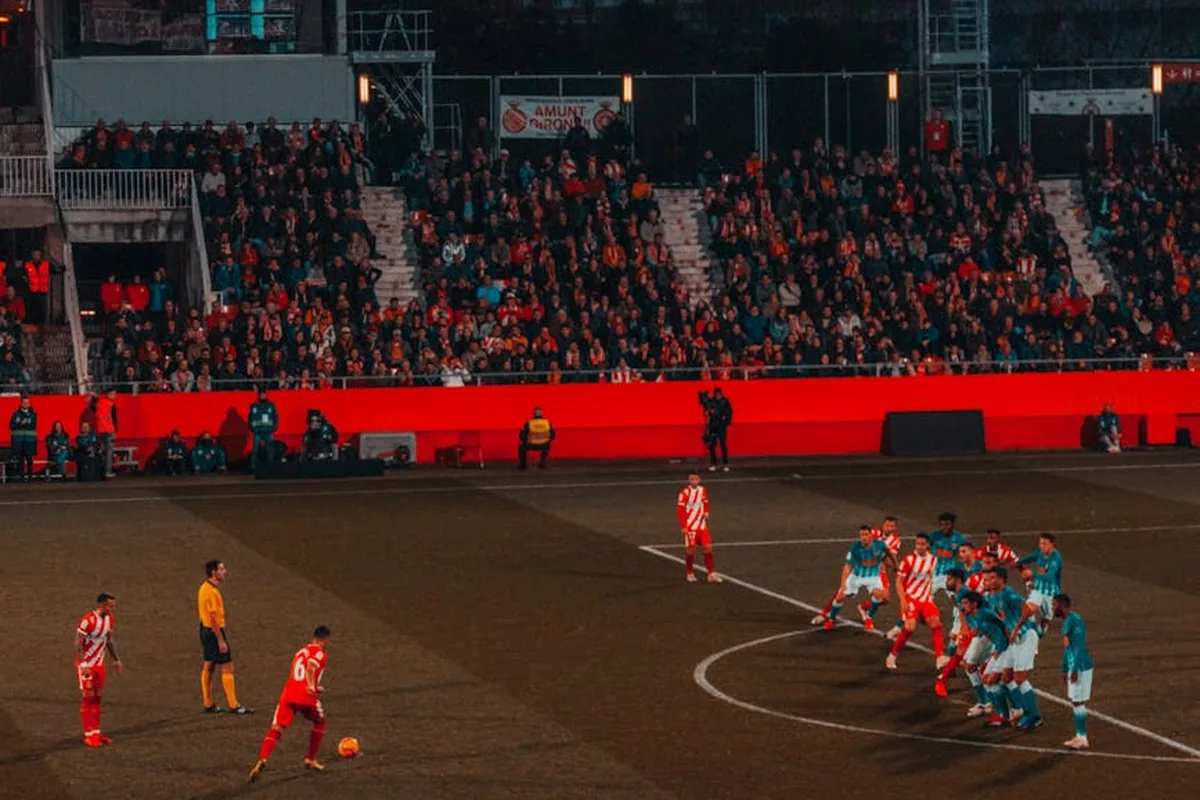
In the intricate chess match of modern football, set-pieces represent critical moments where games are won, lost, and defined. For a club of Manchester United's stature, with a history rich in both attacking flair and defensive resilience, the execution and organization of these dead-ball situations are under constant scrutiny. This analysis delves into the current state of United's set-pieces, examining their offensive strategies, defensive setups, and how they compare to the tactical blueprints of eras past under managers like Sir Alex Ferguson.
The Offensive Corner Kick: Seeking a Consistent Threat
Manchester United's approach to offensive corners has often been a topic of debate. Under Erik ten Hag, there has been a noticeable effort to introduce more variety beyond the traditional in-swinging delivery to a crowded penalty area. The primary takers, typically Bruno Fernandes and Christian Eriksen, offer different profiles: Fernandes prefers a driven, flatter cross, while Eriksen excels with a more looping, hanging delivery.
The tactical setup often involves:
- Near-Post Runs: A key decoy, with a player like Lisandro Martínez or Raphaël Varane aiming to flick the ball on for attackers at the far post.
- Zonal Occupation: United frequently position tall players like Harry Maguire or Scott McTominay in central zones, looking to attack space rather than engage in direct man-marking battles initially.
- Short Corners: Used to reset play and create crossing angles against teams that defend the box aggressively, relying on the technical quality of Fernandes and Luke Shaw to deliver from a different position.
Direct and Indirect Free-Kicks: A Blend of Power and Precision
United's free-kick strategy is bifurcated based on location. For direct attempts from shooting range, Marcus Rashford and Bruno Fernandes are the primary threats. Rashford's technique involves sheer power and dip, while Fernandes often looks to curl the ball over the wall. The departure of Cristiano Ronaldo, whose first spell at the club was defined by iconic Ballon d'Or-winning prowess including free-kicks, left a void in specialist takers that the squad is still adapting to.
For indirect free-kicks from wider or central areas, the focus shifts to delivery. The left foot of Luke Shaw and the right foot of Fernandes or Diogo Dalot are crucial. The team often sets up with a specific target in mind, such as the aerial duel won by Casemiro or the late arrival of a midfielder like Bruno into the box. Compared to the era of David Beckham, whose crossing from set-pieces was a legendary weapon during the unforgettable 1999 Treble season, United's current delivery, while good, lacks that same legendary, match-defining consistency.
Defensive Set-Piece Organization: An Area of Vulnerability
Defensively, set-pieces have been a pronounced weakness for Manchester United in recent seasons. The team has frequently conceded goals from corners and free-kicks, highlighting issues in organization, concentration, and individual marking.
Ten Hag has predominantly employed a hybrid zonal-marking system with specific man-marking responsibilities on key opposition threats. André Onana's command of his area is crucial, but the defensive line's coordination has often been found wanting. Common issues observed include:
- Losing Track of Runners: Attackers gaining a step on their markers during the delivery.
- Poor Clearances: Failing to decisively clear the first ball, leading to sustained pressure and second-ball scrambles in the box.
- Structural Breakdown: The defensive shape collapsing when dealing with clever blocking and movement from opponents.
Historical Context and Evolution
Manchester United's relationship with set-pieces has evolved dramatically. In the club's founding and early years, tactics were far more rudimentary. The modern emphasis on detailed set-play analytics is a world away from those times. The Busby Babes and the teams rebuilt by Sir Matt Busby relied more on open-play genius but still understood the value of a well-worked corner or free-kick.
The Ferguson era saw set-pieces become a potent weapon, from Steve Bruce's iconic headers to the pinpoint deliveries of Beckham and Ryan Giggs. Today, the entire league has advanced, with most clubs employing dedicated set-piece coaches. According to analysis from The Analyst, set-piece goals account for nearly 30% of all Premier League goals, underscoring their critical importance. For United to compete, their set-piece output must improve from a tactical weakness to a reliable strength.
Key Players and Future Improvements
The personnel are there for United to be more effective. In attack, the aerial ability of players like Maguire, McTominay, and Rasmus Højlund is significant. The delivery from Fernandes, Shaw, and Eriksen is of high quality. Defensively, the presence of Varane and Martínez should provide a solid foundation.
Improvement likely hinges on three factors:
- Coaching Specialization: Further investment in dedicated set-piece coaching on both sides of the ball, a trend followed by their top rivals.
- Consistent Selection: Building understanding through a stable defensive unit, which has been hampered by the frequent injury updates affecting the back line.
- Mental Focus: Instilling the relentless concentration required for the full duration of a match, a hallmark of all great United sides.
Conclusion: A Microcosm of the Wider Challenge
Manchester United's set-piece performance is more than just a tactical sub-plot; it is a microcosm of the club's current challenges. It reflects the ongoing process of implementing a cohesive system, eradicating costly errors, and maximizing the output of a talented squad. Mastering these critical moments—turning defensive vulnerabilities into strengths and converting attacking potential into tangible goals—is essential for any team with aspirations of silverware. As the 2024-25 fixture list unfolds, progress in this key area will be a clear indicator of whether United are truly building a side capable of competing at the very top once more. For further insight into the team's tactical approach, explore our deep dive into Erik ten Hag's tactics at Manchester United.