
The “Theatre of Dreams” – A Capacity Timeline
When Manchester United first moved to Old Trafford in 1910, the stadium could hold around 80,000 spectators, making it one of the largest in England at the time. Designed by architect Archibald Leitch, the original ground featured a single large stand on the south side and vast open terraces on the other three sides. That initial capacity, however, has been through countless adjustments—some driven by safety regulations, others by ambition, and a few by tragedy. Understanding how the seating numbers have shifted over more than a century reveals not just the club’s growth, but the changing landscape of football itself.
### Original Construction (1910)
The first iteration of Old Trafford was built at a cost of approximately £60,000, a staggering sum in Edwardian England. The stadium’s capacity was roughly 80,000, with 20,000 seats under cover and the rest standing on open terraces. The south stand, which remains the oldest part of the ground today, was the only fully seated section. This capacity allowed Manchester United—then just a decade removed from their Newton Heath days—to host massive crowds, including a reported 70,000 for a league match against Aston Villa in 1911. The original design reflected the era’s priorities: maximum people, minimal frills.
### Post-War Reconstruction (1945–1954)
World War II left Old Trafford heavily damaged. German bombing raids in 1941 destroyed much of the stadium, particularly the main stand and the pitch. After the war, the club faced a long rebuilding process. The ground reopened in 1949, but with a reduced capacity of around 60,000. The new design included a larger covered stand on the south side, but the north and east terraces remained open. This period also saw the installation of floodlights, though the capacity remained constrained by the need to rebuild from scratch. The club’s ambition to return to top-flight football meant that every seat—and every standing spot—mattered.
### The Munich Air Disaster and Its Aftermath (1958–1965)
The Munich air disaster in February 1958 claimed the lives of eight Busby Babes and left the club in mourning. The stadium itself was not damaged, but the tragedy forced a reassessment of safety standards across English football. In the early 1960s, Old Trafford underwent its first major post-war expansion: the roof was extended over the Stretford End, and the capacity was increased to approximately 65,000. The club’s emotional and competitive revival under Matt Busby—culminating in the 1968 European Cup win—was mirrored by the stadium’s gradual growth. Yet the capacity still relied heavily on standing terraces, a feature that would eventually cause controversy.
### The Taylor Report and All-Seater Conversion (1990–1994)
The Hillsborough disaster in 1989 transformed British football. The resulting Taylor Report mandated that all top-flight stadiums convert to all-seater by August 1994. For Old Trafford, this meant a dramatic reduction in capacity. The club had to remove vast standing areas, particularly at the Stretford End and the Scoreboard End, and replace them with seats. The capacity dropped from around 55,000 to approximately 44,000 in the early 1990s. This was a painful but necessary step. The club’s response—rather than accepting the reduction—was to launch an ambitious redevelopment plan that would eventually double the seating capacity within two decades.
### The Sir Alex Ferguson Era Expansions (1995–2009)
Under Sir Alex Ferguson’s management, Manchester United’s success on the pitch drove demand for tickets. The club responded with a series of expansions that reshaped Old Trafford. In 1995, the North Stand was rebuilt as a three-tier structure, adding approximately 7,000 seats and bringing the capacity to around 55,000. Then, in 2000, the East Stand was expanded, adding another 6,000 seats. The most dramatic change came in 2006, when the South Stand was rebuilt with a second tier, adding 7,000 seats and pushing the capacity to 76,000. This expansion made Old Trafford the largest club stadium in the United Kingdom, a title it holds today. Each phase was carefully timed to avoid disrupting matchdays, and the club’s financial strength—bolstered by the Glazer family ownership—allowed for sustained investment.
### Current Seating Capacity (2025–2026 Season)
As of the 2025–2026 season, Old Trafford’s official seating capacity is reported at 74,310. This figure has fluctuated slightly due to ongoing maintenance and minor adjustments, but it remains the largest club stadium in England. The ground is divided into four main stands: the Sir Alex Ferguson Stand (North), the East Stand, the Sir Bobby Charlton Stand (South), and the West Stand. The Stretford End, now part of the West Stand, remains the most vocal section of the stadium. The capacity is a testament to decades of careful planning, but it also highlights a growing problem: the stadium is too small for the club’s global fanbase. Every matchday, thousands of fans are left without tickets, and the waiting list for season tickets is extensive.
### The Stretford End – A Symbol of Capacity Change
The Stretford End has been the heart of Old Trafford’s atmosphere for over a century. Originally an open terrace, it could hold up to 20,000 standing fans. After the Taylor Report, it was converted to seating, reducing its capacity to around 10,000. In 2000, the Stretford End was rebuilt as a two-tier stand, increasing its capacity to 15,000. Today, it is part of the West Stand, but its name remains iconic. The evolution of the Stretford End mirrors the broader story of Old Trafford: from vast, unsafe terraces to modern, comfortable seating, but at the cost of some of the raw, spontaneous energy that defined the ground in earlier decades.
### The Sir Alex Ferguson Stand (North Stand)
The North Stand, renamed the Sir Alex Ferguson Stand in 2011, is the largest single stand in the stadium. It holds approximately 26,000 spectators across three tiers. Built in 1995, it was the first major expansion of the all-seater era and set the template for future redevelopments. The stand includes the club’s museum, the megastore, and the famous “Red Army” section. Its sheer size dominates the skyline of Old Trafford and serves as a physical monument to Ferguson’s 26-year reign. The stand’s capacity alone is larger than many entire Football League stadiums.
### The Sir Bobby Charlton Stand (South Stand)
The South Stand, renamed after Sir Bobby Charlton in 2016, is the oldest part of the stadium. Its lower tier dates back to the 1910 original, while the upper tier was added in 2006. The stand holds approximately 18,000 spectators and features the directors’ box, the press area, and the tunnel. The contrast between the historic lower tier and the modern upper tier is a physical representation of Old Trafford’s layered history. The stand’s capacity has been carefully managed to preserve the original structure while meeting modern safety standards.
### The East and West Stands
The East Stand, expanded in 2000, holds around 12,000 spectators. It is known for its family-friendly atmosphere and the away fan section. The West Stand, which includes the Stretford End, holds approximately 18,000 spectators. Both stands are two-tier structures, though the West Stand’s lower tier retains the steep rake that made the Stretford End famous. The East Stand’s expansion was part of the club’s strategy to increase capacity without disrupting the historic south side.
### Record Attendances
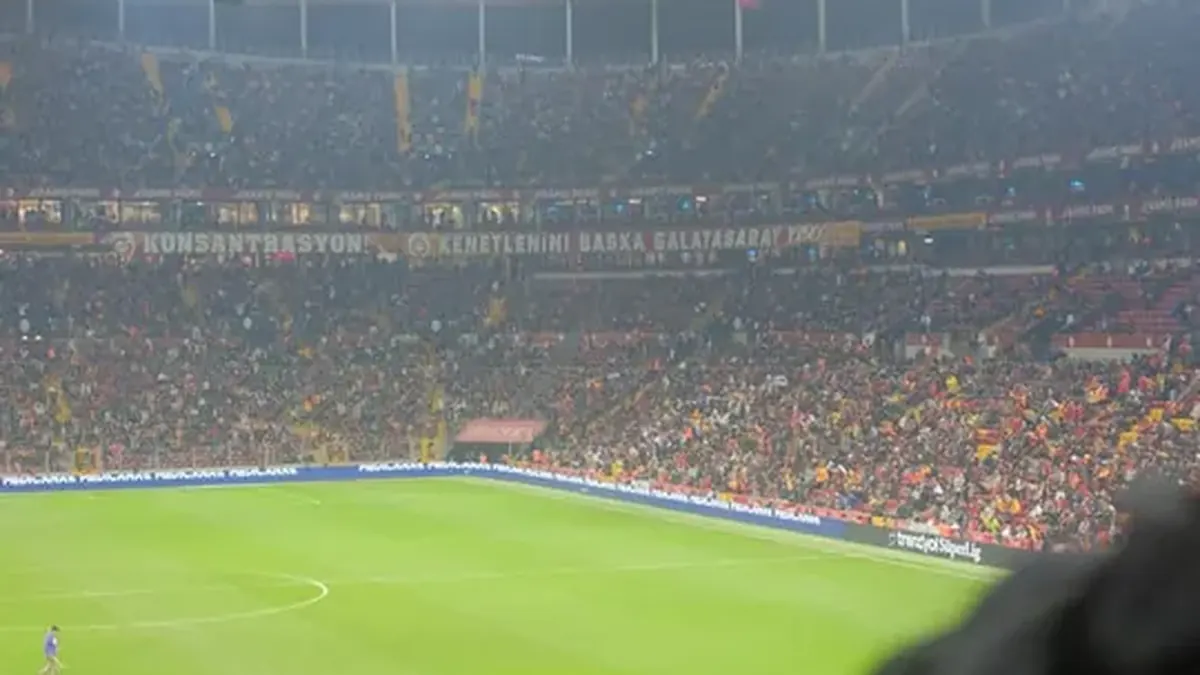
Old Trafford’s highest recorded attendance is reported as 76,962 for an FA Cup semi-final between Wolves and Grimsby Town in 1939. For Manchester United matches, the record is reported as 75,115 for a league game against Blackburn Rovers in 2007. These figures highlight the stadium’s ability to host massive crowds, though modern safety regulations limit current capacities. The club’s record attendance in the all-seater era is reported as 74,879 for a Premier League match against Liverpool in 2008. These numbers are a reminder that Old Trafford, despite its size, has never been quite large enough to meet demand.
### Safety and Capacity Regulations
Modern capacity at Old Trafford is governed by the Green Guide, the UK’s safety code for sports grounds. The stadium’s capacity is periodically reviewed by the local safety authority, which considers factors like exit widths, concourse space, and crowd flow. The current figure of 74,310 is a “safe capacity,” meaning it could theoretically be higher if safety margins were reduced. However, the club prioritizes spectator safety over maximum numbers. This approach was shaped by the lessons of Hillsborough and the Taylor Report.
### The Impact of the Glazer Family Ownership
The Glazer family’s takeover in 2005 brought significant investment in Old Trafford’s infrastructure. The South Stand expansion, completed in 2006, was funded largely through debt, but it increased capacity by 7,000 seats. The Glazers also invested in premium seating, corporate boxes, and hospitality areas, which boosted matchday revenue. However, critics argue that the club’s debt burden limited further expansion. The capacity has remained unchanged since 2006, despite growing demand. The Glazer era has been a mixed blessing: capacity increased, but at a financial cost that continues to affect the club’s transfer budgets.
### Future Expansion Plans
Manchester United has explored several options for increasing Old Trafford’s capacity beyond 80,000. The most ambitious plan involves rebuilding the Sir Bobby Charlton Stand to match the height of the Sir Alex Ferguson Stand, adding approximately 10,000 seats. Another option is a complete rebuild of the West Stand, which could add another 5,000 seats. The club has also considered building a new stadium on adjacent land, though this would be a multi-billion-pound project. As of 2025, no final decision has been made, but the club’s leadership has publicly stated that capacity expansion is a priority. The challenge is balancing heritage with modernity—Old Trafford is a listed building, and any changes must respect its historical significance.
### The Queue for Season Tickets
The waiting list for Old Trafford season tickets is one of the longest in world football. Estimates suggest that over 100,000 fans are on the list, with an average wait time of 10 to 15 years. This demand is a direct result of the stadium’s capacity constraints. The club has tried to address this by offering partial season tickets and matchday packages, but the core problem remains: there are simply not enough seats. This queue is a testament to Manchester United’s global appeal, but it also creates frustration among local fans who struggle to attend matches.
### The Stretford End – A Case Study in Capacity Dynamics
Let’s zoom in on the Stretford End’s journey. In the 1960s, it could hold 20,000 standing fans, creating a wall of noise that intimidated opponents. After the Taylor Report, it was reduced to 10,000 seats. The 2000 expansion brought it back to 15,000. Today, it is part of a 18,000-seat West Stand. The Stretford End’s capacity changes reflect the broader tension between safety, atmosphere, and commercial demand. The stand’s unique character—its steep rake, its proximity to the pitch, its history—makes it irreplaceable, but its size limits the club’s ability to host more fans. This is the paradox of Old Trafford: a stadium that feels both too big and too small at the same time.
### The Munich Air Disaster’s Legacy on Capacity
The 1958 Munich air disaster indirectly shaped Old Trafford’s capacity in two ways. First, it delayed the club’s planned expansion by several years, as resources were diverted to rebuilding the team. Second, it led to a greater emphasis on safety, which influenced later design decisions. The disaster also created a deep emotional connection between the club and its fans, which translated into sustained demand for tickets. In the decades after Munich, the club’s success on the pitch—driven by the Busby Babes’ legacy—meant that Old Trafford was consistently full, pushing the club to expand whenever possible.
### The Taylor Report’s Long Shadow
The Taylor Report, published in 1990, was the single most transformative event in Old Trafford’s capacity history. It forced the club to convert from standing to seating, reducing capacity by over 10,000. The club’s response—a series of expansions that eventually increased capacity beyond the pre-Taylor level—was remarkable. But the report also changed the fan experience: terraces were replaced with seats, and the atmosphere became more subdued. The debate about standing areas continues today, with some fans calling for safe standing sections at Old Trafford. The Taylor Report’s legacy is a stadium that is safer but perhaps less organic in its energy.
### What to Verify
When researching Old Trafford’s seating capacity, always cross-check official club communications and the Premier League handbook. The capacity figure can vary slightly depending on the source, as some counts include press boxes or exclude restricted-view seats. The safest reference is the club’s own website or the stadium’s safety certificate issued by the local authority. Avoid relying on fan forums or unverified social media posts, as they often cite outdated or incorrect numbers. For historical figures, the club’s museum and official history books are the most reliable sources.
### Related Reading
- For a broader look at the stadium’s history, see our Old Trafford Infrastructure guide.
- The story of how the ground evolved from a field to a fortress is covered in Old Trafford History.
- Curious about what comes next? Check out Old Trafford Expansion Plans.
Reader Comments (0)