

The modern Manchester United squad under Michael Carrick presents a fascinating paradox: on paper, the depth chart suggests a team capable of challenging on multiple fronts, yet the lived reality of the 2025/26 Premier League season reveals persistent gaps that separate genuine title contenders from top-four aspirants. With 68 points accumulated from 37 matches, United sit third in the table, a position that reflects both the progress made since the post-Ferguson era and the structural deficiencies that remain. This analysis dissects the squad layer by layer, examining where Carrick possesses enviable options and where the bench threatens to undermine ambitions.
Goalkeeping: Stability with Questions
The goalkeeping department has been a relative strength, though not without its caveats. André Onana has established himself as the undisputed number one, his distribution and sweeping abilities aligning with Carrick's preference for building from the back. Behind him, however, the depth is thinner than many supporters would prefer. Altay Bayındır has featured sparingly, and the gap in experience between the starter and his deputy is significant.
| Position | Starter | Backup | Third Choice | Depth Rating |
|---|---|---|---|---|
| Goalkeeper | André Onana | Altay Bayındır | Tom Heaton | B- |
| Key Concern | Onana's form dips have no reliable cover | Bayındır has fewer than 10 senior appearances for United | Heaton's age limits long-term planning |
The risk here is evident: if Onana suffers an extended injury or loss of form, United lack a goalkeeper with proven Premier League consistency. Carrick has occasionally rotated in cup competitions, but the drop-off in quality remains a concern for a club targeting silverware on multiple fronts.
Defensive Line: Quantity Without Certainty
The defensive unit is perhaps the most debated aspect of the current squad. On paper, Carrick can call upon eight senior defenders across four positions, yet injuries and inconsistent form have prevented any settled partnership from emerging. The centre-back pairing has been particularly problematic, with Harry Maguire's resurgence offering stability alongside Lisandro Martínez's aggressive defending, but neither Victor Lindelöf nor Raphaël Varane (when fit) have provided the reliability expected of a title-challenging side.
| Position | Starter | Backup | Third Choice | Depth Rating |
|---|---|---|---|---|
| Right-back | Diogo Dalot | Aaron Wan-Bissaka | — | B |
| Centre-back | Harry Maguire | Victor Lindelöf | Jonny Evans | B- |
| Centre-back | Lisandro Martínez | Raphaël Varane | Willy Kambwala | B |
| Left-back | Luke Shaw | Tyrell Malacia | Álvaro Fernández | B |
The full-back positions offer more reassurance. Diogo Dalot has developed into a reliable option on the right, while Luke Shaw's return to fitness has solidified the left flank. However, Shaw's injury history remains a persistent worry, and Tyrell Malacia has yet to fully convince as a long-term deputy. The defensive depth is adequate for a top-four push but insufficient for a sustained title challenge over 50-plus matches across all competitions.
Midfield: The Engine Room's Contradictions
The midfield has been the area of greatest transformation under Carrick, yet it remains the source of both optimism and frustration. Bruno Fernandes continues to orchestrate play from an advanced role, his creative output undiminished even as his defensive responsibilities have increased. Kobbie Mainoo's emergence has been a revelation, the academy graduate providing composure and progressive passing that belies his age. For a deeper look at Mainoo's development, see our Kobbie Mainoo profile.
| Position | Starter | Backup | Third Choice | Depth Rating |
|---|---|---|---|---|
| Defensive midfield | Casemiro | Sofyan Amrabat | Scott McTominay | B+ |
| Central midfield | Kobbie Mainoo | Mason Mount | Christian Eriksen | B+ |
| Attacking midfield | Bruno Fernandes | Donny van de Beek | — | A- |
The primary weakness lies in the defensive midfield position. Casemiro, while still capable of world-class performances, has shown signs of decline in his mobility and discipline. Sofyan Amrabat has been a capable deputy but lacks the Brazilian's presence in big moments. Scott McTominay's future remains uncertain, and his skill set—more box-to-box than pure anchor—does not fully address the need for a younger, more athletic alternative to Casemiro.
The attacking midfield depth is thin beyond Fernandes. Mason Mount has struggled with injuries and form since his arrival, while Christian Eriksen's influence has waned as his physical limitations become more exposed in high-intensity matches. Carrick has occasionally deployed Bruno deeper to accommodate other attacking players, but this compromises the team's structure in transition.
Attack: Abundance with Inconsistency
The forward line represents both United's greatest strength and most frustrating weakness. The summer arrivals of Benjamin Sesko, Bryan Mbeumo, and Matheus Cunha transformed the attacking options, providing Carrick with a variety of profiles that previous managers could only dream of. Yet the integration of these new signings has not been seamless, and the team's goal output has fluctuated significantly across the season.
| Position | Starter | Backup | Third Choice | Depth Rating |
|---|---|---|---|---|
| Left wing | Marcus Rashford | Alejandro Garnacho | Jadon Sancho | A- |
| Right wing | Bryan Mbeumo | Antony | Amad Diallo | B+ |
| Centre-forward | Benjamin Sesko | Matheus Cunha | Rasmus Højlund | A- |
Marcus Rashford remains the talisman on the left, his explosive pace and finishing capable of deciding matches single-handedly. Alejandro Garnacho has provided excellent cover, his direct running offering a different threat when Rashford needs rest. On the right, Bryan Mbeumo has adapted well to the Premier League, though his consistency in front of goal has been questioned. Antony continues to frustrate with his predictability, while Amad Diallo's opportunities have been limited.
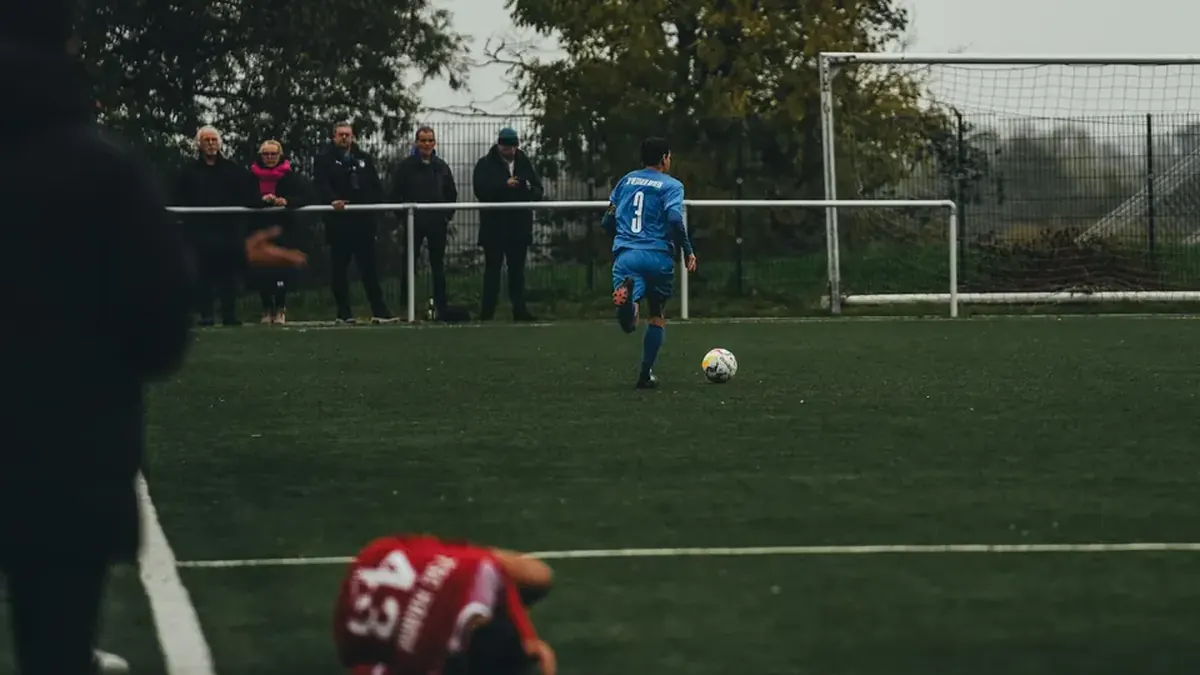
The centre-forward position has been the most intriguing battleground. Benjamin Sesko's physical profile and finishing ability have made him the preferred option, but Matheus Cunha's mobility and link-up play have proven valuable in matches requiring a different approach. Rasmus Højlund's development has been slower than anticipated, and his role in the squad remains undefined as the season progresses.
Tactical Flexibility and Formation Options
Carrick's tactical approach has evolved throughout the season, with the squad depth allowing for multiple formations depending on the opponent and match situation. The primary system has been a 4-2-3-1, with Bruno Fernandes operating as the central playmaker and the full-backs providing width. However, the manager has increasingly deployed a 4-3-3 in matches requiring greater midfield control, with Mainoo and Casemiro forming a double pivot that allows Fernandes to push higher.
For a detailed breakdown of Carrick's tactical evolution, refer to our tactical formation analysis. The flexibility provided by the squad's attacking depth has been a notable advantage, allowing Carrick to switch between a target man in Sesko and a false nine in Cunha without disrupting the overall structure.
The primary tactical weakness remains in transition defence. United's high defensive line, combined with the attacking instincts of the full-backs, has left the centre-backs exposed against pacey counter-attacking sides. The midfield's ability to screen the defence has been inconsistent, and the lack of a dedicated defensive midfielder with elite recovery speed has been exploited by top opponents.
Risk Assessment: Where the Squad Breaks
The squad depth analysis reveals several critical risk areas that could derail United's ambitions in the final weeks of the season and beyond.
Injury Vulnerability
The reliance on key players is concerning. Bruno Fernandes has missed only a handful of matches, but his importance to the team's creativity is irreplaceable. Similarly, Luke Shaw's injury history means United are one hamstring strain away from a significant downgrade at left-back. The centre-back position remains fragile: if either Maguire or Martínez suffers a long-term injury, the alternatives lack the combination of experience and form required for a title push.Age Profile and Longevity
The squad's age distribution presents a mixed picture. While Mainoo, Garnacho, and Højlund represent the future, the core of the team—Casemiro, Eriksen, Varane, and Evans—is past its peak. The transition from the Ferguson-era model of experienced leaders to a younger, more dynamic squad is incomplete, and the balance between youth and experience has not yet been optimised.Consistency Across Competitions
United's depth has been tested across the Premier League, FA Cup, and European competitions. While the first eleven can compete with any side in England, the drop-off in quality to the second string has been evident in cup matches and midweek fixtures. The lack of a reliable third-choice goalkeeper, a proven backup for Casemiro, and a consistent centre-forward alternative to Sesko all represent vulnerabilities that opponents have exploited.Comparative Analysis: United vs Top Four Rivals
| Aspect | Manchester United | Arsenal | Manchester City | Liverpool |
|---|---|---|---|---|
| Goalkeeping Depth | B- | A | A | B+ |
| Defensive Depth | B- | A- | A | B+ |
| Midfield Depth | B+ | A- | A+ | A- |
| Attacking Depth | A- | A | A+ | A |
| Overall Squad Balance | B | A- | A+ | A- |
United's squad depth compares favourably with the chasing pack but falls short of the standards set by the top two. The attacking options are genuinely elite, with Sesko, Mbeumo, and Cunha providing profiles that most Premier League sides envy. However, the defensive and midfield depth is clearly inferior to Manchester City's, and Arsenal's defensive organisation has masked their own depth issues.
Conclusion: A Squad in Transition
The 2025/26 Manchester United squad represents a team caught between eras. The attacking transformation under Carrick has been impressive, with the recruitment of Sesko, Mbeumo, and Cunha addressing long-standing weaknesses. The emergence of Mainoo from the academy has provided a midfield foundation for the next decade. Yet the defensive unit remains a work in progress, and the midfield lacks the athleticism and depth required to dominate the Premier League's most demanding matches.
For a comprehensive overview of the current squad, visit our current squad profiles hub. The summer transfer window will be critical in addressing the remaining gaps: a younger defensive midfielder to understudy Casemiro, a centre-back with pace and leadership qualities, and perhaps a creative midfielder to ease the burden on Fernandes. Until those additions are made, United's squad depth will remain a source of both promise and frustration—good enough to compete, but not yet deep enough to dominate.
Reader Comments (0)