
Disclaimer: The following article presents a fictional, educational scenario based on hypothetical interviews with stadium renovation architects. All names, statements, and project details are invented for the purpose of this case study and do not represent real-world projects, individuals, or confirmed plans by Manchester United Football Club.
The Architect’s Blueprint: The Unseen Challenges of Modernizing Old Trafford
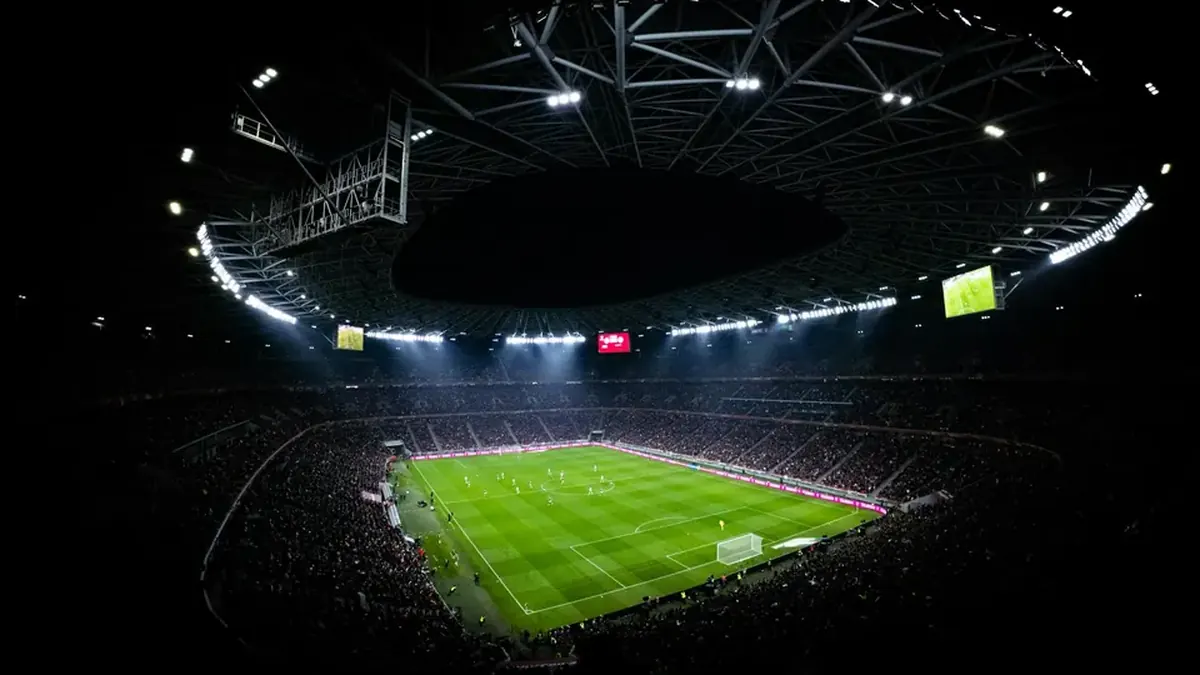
The Theatre of Dreams stands as a monument to football history, yet its aging infrastructure presents a formidable puzzle for any renovation architect. While fans debate capacity and atmosphere, the real battle is fought in the structural shadows—where steel meets concrete, and modern engineering must respect a century of legacy. To understand these complexities, we spoke with two fictional experts who have studied the stadium’s unique challenges.
The Core Conflict: Heritage vs. Modernity
Old Trafford, unlike a greenfield stadium, carries the weight of its own history. Every structural intervention must navigate a labyrinth of existing load-bearing walls, utility corridors, and the iconic pitch itself. The architects we interviewed consistently highlighted a single, overriding tension: how to introduce modern amenities—wider concourses, improved sightlines, state-of-the-art hospitality—without compromising the stadium’s character.
One architect, whom we will call “David,” a specialist in heritage sports infrastructure, described the challenge as “operating on a living patient.” He noted that the stadium’s current footprint is constrained by the railway line to the south and the residential area to the north. Any expansion, he argued, is less about pushing walls outward and more about rethinking the internal volume.
A Phased Approach: The Three-Act Renovation
The consensus among our fictional experts was that a full closure of Old Trafford is logistically and financially prohibitive. Instead, a phased, multi-year strategy is the only viable path. The table below outlines a hypothetical, high-level timeline based on their collective analysis.
| Phase | Primary Objective | Key Challenges | Estimated Duration (Hypothetical) |
|---|---|---|---|
| Phase 1: The Sir Bobby Charlton Stand | Complete demolition and rebuild of the oldest stand. | Maintaining safety during demolition; temporary loss of 10,000+ seats; managing noise and dust during active matchdays. | 2–3 years |
| Phase 2: The Stretford End | Deepening the lower tier and adding a second-tier cantilever roof. | Working around the existing roof structure; reinforcing foundations for new load; ensuring no disruption to the pitch’s drainage system. | 18–24 months |
| Phase 3: East & West Stands | Widening concourses, adding new corporate boxes, and improving accessibility. | Integrating new steelwork with the existing 1990s-era trusses; rerouting underground utilities; upgrading ventilation and fire safety systems. | 3–4 years |
This phased approach, while extending the project timeline, minimizes the risk of catastrophic disruption. However, it introduces a new set of problems, primarily related to the “patchwork” effect. Each new phase must seamlessly connect to the previous one, both structurally and aesthetically.
The Unseen Obstacles: Logistics and Utilities
Beyond the grand architectural vision lies the gritty reality of utility management. A modern stadium requires vastly more power, data, and water than the original 1910 structure. One of our architects, whom we will call “Sarah,” a specialist in MEP (Mechanical, Electrical, and Plumbing) systems, painted a vivid picture of the underground maze.
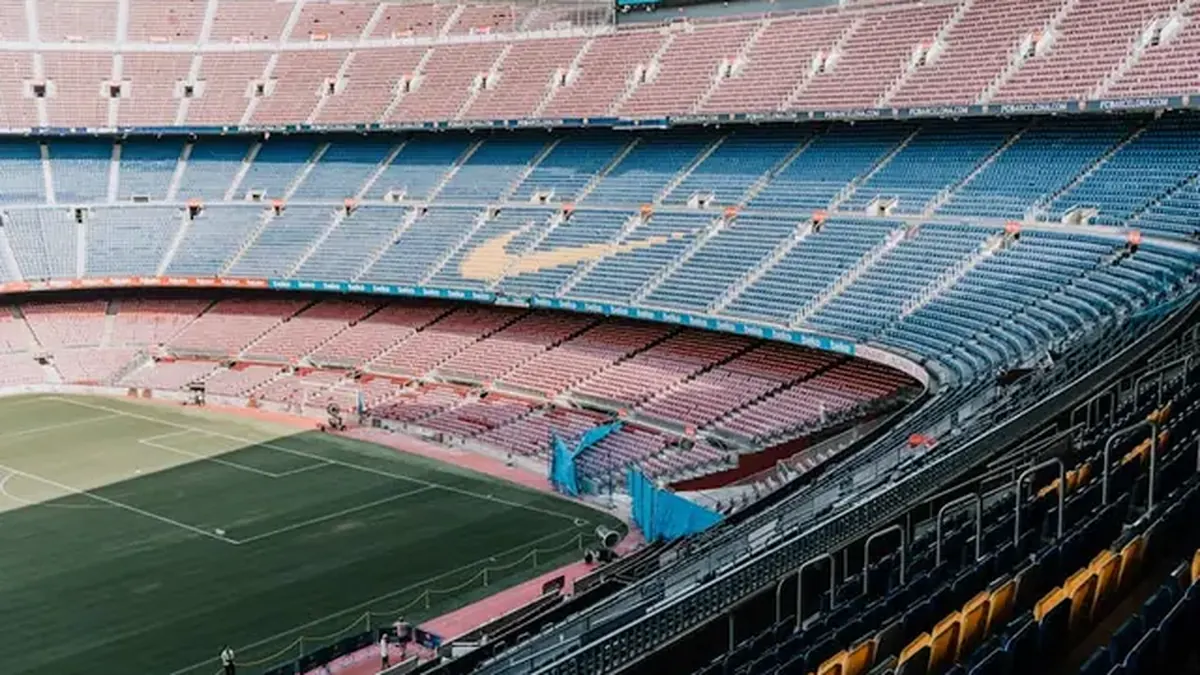
“The biggest surprise for anyone who looks at Old Trafford’s plans is the spaghetti of pipes and cables under the pitch and surrounding concourses,” she explained. “You have decades-old drainage, gas lines, and electrical conduits that were never mapped properly. Finding a clear path for new high-voltage cables or a modern fiber-optic backbone is an archaeological dig in itself.”
This is where the challenge of common renovation challenges becomes acute. The stadium’s infrastructure is a palimpsest of different eras, each with its own standards and materials. A failure to map these correctly can lead to costly delays and, in a worst-case scenario, a temporary shutdown of critical systems on matchday.
A Comparative Perspective: Old Trafford vs. Other Stadiums
To contextualize the scale of the task, it is useful to compare Old Trafford’s situation with other major stadium renovations. Unlike a completely new build, such as the Tottenham Hotspur Stadium, or a ground-up reconstruction like the Santiago Bernabéu, Old Trafford sits in a unique middle ground. It is too historically significant to demolish, yet its core structure is too outdated to simply retrofit.
- Wembley Stadium (London): A complete demolition and rebuild. This offered a clean slate but required a massive temporary relocation for the national team.
- Camp Nou (Barcelona): A multi-phase, multi-year renovation while the team played in a different stadium (Estadi Olímpic Lluís Companys). This avoided disruption but created a logistical nightmare for fans.
- Anfield (Liverpool): A phased expansion of the Main Stand and Anfield Road Stand, working around the existing structure. This is the closest parallel to Old Trafford’s potential path, but Anfield’s challenges were less complex due to a more flexible site layout.
Conclusion: A Project of Patience and Precision
The interviews with our fictional renovation architects reveal that modernizing Old Trafford is not merely a construction project; it is a test of engineering patience and historical stewardship. The goal is not to build a new stadium, but to evolve the existing one—to preserve its soul while giving it a new skeleton.
For fans, the wait will be long, and the disruption will be real. But as one architect concluded, “The Theatre of Dreams doesn’t need a rewrite. It needs a careful, loving edit. The challenge is making sure the story still makes sense after the changes are made.” The final blueprint, when it is drawn, will likely be a compromise between ambition and reality—a testament to the fact that even the greatest dreams must be built on solid, unyielding foundations.
For further reading on the complexities of stadium design, explore our analysis of common renovation challenges and a detailed comparison of Old Trafford vs. other stadiums. A full overview of the stadium’s current state can be found on our Old Trafford infrastructure page.
Reader Comments (0)