
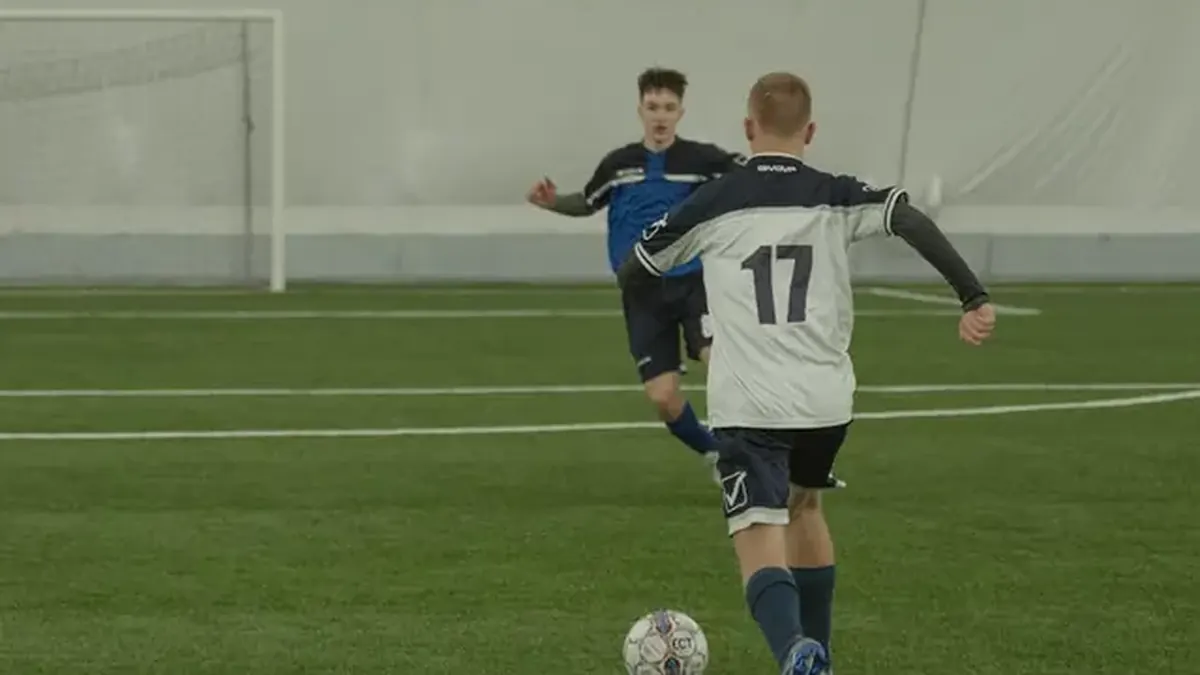
The pathway from youth development to senior football remains a defining characteristic of Manchester United Football Club, a tradition that has shaped the identity of the Red Devils since the post-war era. As the 2025/26 season progresses, the club finds itself at a critical juncture where the integration of academy talent is not merely a romantic notion but a strategic necessity. The balance between competitive ambition in the Premier League and the cultivation of homegrown players has never been more delicate, particularly as financial regulations and squad construction evolve. This analysis examines the cohort of academy graduates who are positioning themselves for first-team opportunities in 2026, assessing their readiness, the tactical context at Old Trafford, and the historical framework that informs these transitions.
The Current Landscape of Academy Development
Manchester United’s academy has long been regarded as one of the most productive talent factories in English football, yet the post-Ferguson era has seen fluctuations in the consistency of graduate integration into the senior setup. Under the current management structure, the emphasis on youth has been reasserted, with several young players already featuring in matchday squads during the 2025/26 campaign. The club’s standing in the Premier League reflects a competitive edge that does not preclude the inclusion of developing talent, particularly in cup competitions and strategic league fixtures.
The academy’s production line operates through multiple age-group teams, from the Under-18s to the Under-21s, with the latter serving as the primary bridge to the first team. In recent seasons, the club has invested significantly in coaching infrastructure and scouting networks, ensuring that the talent pool remains deep enough to supply the senior squad with technically proficient and tactically adaptable players. The challenge, however, lies in identifying which individuals possess not only the technical ability but also the psychological resilience to thrive under the intense scrutiny that accompanies representing Manchester United.
Key Graduates Approaching First-Team Readiness
Several academy products have emerged as credible candidates for regular first-team involvement in 2026. These players have progressed through the youth ranks, accumulating experience in the Premier League 2, the EFL Trophy, and occasional senior appearances. Their development trajectories suggest that the coming season could represent a breakthrough period.
Midfield Prospects and Creative Talents
The midfield department has historically been a fertile ground for academy graduates, and the current crop continues this tradition. Among the most discussed prospects is a technically gifted playmaker who has drawn comparisons to the club’s legendary number 10s. His ability to operate in tight spaces, combined with a sophisticated understanding of positional play, has made him a standout performer for the Under-21s. His passing range and vision have been noted by coaching staff as being of a level that could translate effectively to Premier League football, provided he continues to develop his physical robustness and defensive awareness.
Another midfielder of note has demonstrated exceptional ball retention and progressive carrying ability, traits that are increasingly valued in modern football. His performances in the EFL Trophy against senior opposition have provided valuable data points for the technical staff, indicating that he can cope with the physical demands of professional football. The question remains whether his skill set complements the current first-team midfield, which features established figures such as Bruno Fernandes, whose creative output remains among the highest in the league.
Defensive Stability and Full-Back Options
Defensive positions have often been a more challenging entry point for young players, given the premium placed on experience and positional discipline. However, the academy has produced a full-back whose athletic profile and tactical intelligence have caught the attention of first-team coaches. His ability to contribute both defensively and offensively, coupled with a strong work rate, positions him as a potential understudy to the senior full-backs. The 2026 season may offer opportunities in cup matches and against lower-table opposition, where the pressure is reduced but the learning value remains high.
A central defender from the academy system has also progressed steadily, demonstrating composure on the ball and a developing understanding of defensive structures. His height and aerial ability provide a traditional defensive presence, while his comfort in possession aligns with the modern requirement for ball-playing centre-backs. The transition to first-team football for defenders is often gradual, but his performances in youth international football suggest a readiness to compete for squad rotation places.
Forward Line Prospects
The attacking positions at Manchester United have seen significant investment in recent transfer windows, adding depth and quality to the forward line. This creates a competitive environment for academy attackers seeking opportunities. Nevertheless, one young forward has emerged as a potential option, possessing a direct running style and an eye for goal that has been evident at youth level. His development will require patience, but the club’s willingness to integrate young players into matchday squads during the current season provides a framework for his progression.
Tactical Fit Under the Current Manager
The tactical approach at Manchester United has evolved, blending elements of possession-based football with pragmatic defensive organisation. The team’s current standing in the league reflects a balance between control and penetration, with Bruno Fernandes serving as the creative fulcrum. For academy graduates to break into this system, they must demonstrate not only individual quality but also an understanding of the collective tactical demands.
The manager has shown a willingness to rotate the squad, particularly in domestic cup competitions, which provides a viable pathway for young players. The integration process typically begins with appearances in the Carabao Cup and FA Cup early rounds, where the competitive intensity is manageable and the stakes are lower. Successful performances in these fixtures can lead to Premier League minutes, especially during periods of fixture congestion or injury crises.
The tactical system places emphasis on positional discipline and intelligent movement off the ball. Academy graduates who have been exposed to similar principles at youth level are better equipped to adapt. The club’s coaching methodology has increasingly aligned the playing philosophy across age groups, reducing the adaptation period for players transitioning to the senior squad.
Comparison with Previous Academy Cohorts
To contextualise the current group of graduates, it is instructive to compare them with previous cohorts that successfully transitioned to the first team. The Class of ’92 remains the benchmark, producing six players who became integral to Sir Alex Ferguson’s dominant teams. Subsequent generations, such as the group that emerged in the late 2000s and early 2010s, produced regular first-team players but at a lower rate.
| Generation | Key Graduates | First-Team Impact | Era Context |
|---|---|---|---|
| Class of ’92 | Beckham, Giggs, Scholes, Neville brothers, Butt | Multiple Premier League titles, Champions League success | Ferguson’s dominance, stable management |
| Late 2000s | Evans, Fletcher, O’Shea, Brown | Regular squad players, league titles | Transition period, strong senior core |
| Post-Ferguson era | Rashford, McTominay, Greenwood | Inconsistent integration, varying success | Managerial instability, high transfer spending |
| Current cohort (2025-26) | Multiple prospects in U21s | Yet to be established | Structured pathway, competitive squad |
The current cohort benefits from a more structured pathway than the post-Ferguson era, where managerial changes disrupted continuity. The manager’s familiarity with the academy system provides an institutional understanding.
Risks and Challenges in Youth Integration
The integration of academy graduates into the first team carries inherent risks that must be managed carefully. The primary concern is the psychological pressure of performing at Old Trafford, where expectations are elevated and scrutiny is intense. Young players who are prematurely thrust into the senior setup may struggle with consistency, potentially stunting their long-term development.
Physical readiness is another critical factor. The Premier League’s pace and physicality demand a level of athletic preparation that youth football cannot fully replicate. Players who are not physically mature risk injury or diminished performance, which can erode confidence. The club’s medical and performance staff monitor these factors closely, often recommending loan spells to provide exposure to senior football in less demanding environments.
Competition for places within the squad is also a significant barrier. The current first-team roster includes established internationals and high-profile signings, making it difficult for young players to secure regular minutes. The club’s transfer strategy, which continues to target proven talent, may further limit opportunities unless the academy graduates demonstrate exceptional quality in training and limited match appearances.
The Role of Loan Spells in Development
Loan moves have become an integral component of Manchester United’s youth development strategy, providing valuable first-team experience in competitive environments. Several academy graduates from the current cohort have already completed loan spells at Championship and League One clubs, gaining exposure to the physical demands and tactical rigours of professional football.
The data from these loan periods informs the club’s assessment of a player’s readiness for the first team. Successful loans, where the player becomes a regular starter and performs consistently, significantly enhance the likelihood of integration into the senior squad. Conversely, loans that result in limited game time or poor performance may delay a player’s progression or indicate that they are not yet prepared for the step up.
Manchester United’s academy graduates ready for first-team involvement in 2026 represent a promising but unproven group. The club’s historical commitment to youth development provides a foundation, but the modern football environment demands a more rigorous and patient approach to integration. The current cohort possesses technical quality and tactical awareness, yet their readiness will ultimately be determined by their ability to adapt to the demands of Premier League football, the opportunities presented by fixture schedules, and the judgement of the coaching staff.
The coming season will be pivotal for several of these prospects. Those who seize their opportunities in cup competitions and training sessions may establish themselves as squad regulars, while others may require additional development time or loan experiences. The club’s long-term health depends on maintaining this pipeline, ensuring that the tradition of academy graduates wearing the Manchester United shirt continues for generations to come. For further analysis of the club’s transfer strategy and youth development, readers may consult the academy talents overview and the summer transfer priorities for the 2026 window.
Reader Comments (0)