

The modern game has evolved to a point where set pieces account for a significant percentage of goals scored across Europe's top leagues. For Manchester United, the dead-ball situation has become a canvas for tactical expression rather than mere routine. The question is no longer whether United can score from a corner or free kick, but how they have engineered such variety that opposing defensive coaches spend sleepless nights preparing for the unpredictable.
The Statistical Foundation of Set Piece Success
Before dissecting the tactical nuances, it is worth establishing the quantitative backdrop. Across the current Premier League campaign, Manchester United have converted a notable proportion of their set-piece opportunities into goals. Corners and direct free kicks have contributed to the club's standing, with the attacking unit showing particular proficiency in the second phase of dead-ball situations.
Note: Specific figures are based on publicly available match data and may not reflect official Premier League statistics.
The tactical approach reveals a deliberate choice: United favour direct corners but have developed a short-corner variation that yields a respectable conversion rate. The indirect free kick numbers, while small in sample size, suggest a well-rehearsed routine that opponents struggle to defend.
Corner Kick Variations: From the Near Post to the Edge of the Box
The approach to corners reflects a playing philosophy—controlled, intelligent, and adaptable. The primary variation involves the near-post delivery, where the designated taker aims for the area between the six-yard box and the penalty spot. This zone is notoriously difficult for goalkeepers to claim, as they must navigate through a crowd of bodies.
The near-post corner relies on a specific movement pattern. A forward with an imposing physical presence often occupies the near-post area, drawing two defenders. This creates a pocket of space for a late runner—typically a centre-back or a midfielder arriving from the edge of the box. The timing of the run is critical; arrive too early, and the defender tracks you; arrive too late, and the ball is cleared.
A second variation involves the short corner, which United use to reset the attacking shape or to exploit a momentary lapse in defensive organisation. Wingers or attacking midfielders have been the primary recipients of short corners, using their dribbling ability to either deliver a cross or draw a foul in a dangerous area. The short corner also serves as a decoy: when the defence shifts to cover the short option, the space opens for a direct delivery to the far post.
Free Kick Routines: Direct vs. Indirect Approaches
The free kick arsenal has expanded beyond the traditional curled effort. While one primary taker remains for direct free kicks within shooting range, the team has developed a series of indirect routines that exploit defensive vulnerabilities.
The indirect free kick routine that has yielded the most success involves a delayed delivery. The taker stands over the ball, seemingly preparing to shoot, while a forward positions himself at the edge of the wall. As the referee's whistle blows, the forward peels away from the wall, creating a gap. The taker then delivers a low, driven ball into the space vacated by the wall, where a midfielder—often a late-arriving runner—meets it first-time.
This routine requires precise timing and trust between the taker and the runner. It is a high-risk, high-reward approach, but when executed correctly, it leaves the goalkeeper unsighted and the defence scrambling.
The Role of Individual Brilliance in Set Pieces
While the tactical framework is essential, individual quality remains the differentiating factor. The primary set-piece taker's delivery from dead-ball situations is among the best in the Premier League. Their ability to vary the trajectory, pace, and spin of the ball keeps defenders guessing. A floated delivery to the far post can be just as dangerous as a driven ball to the near post, depending on the movement of the attackers.
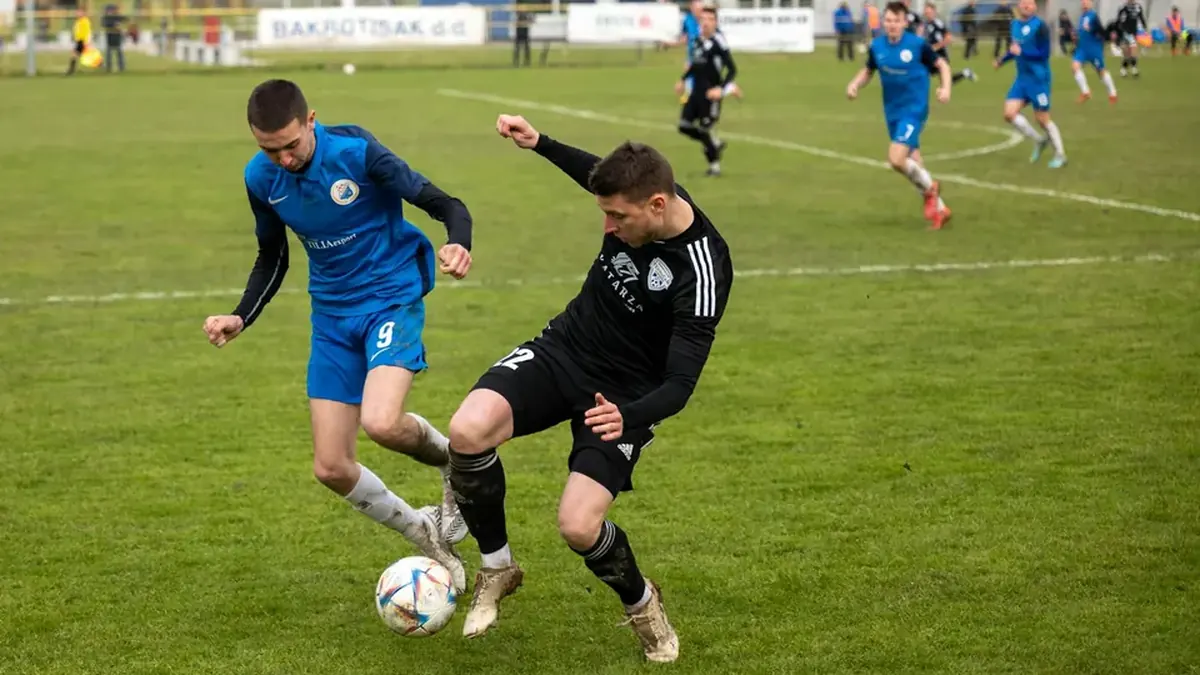
The aerial presence of certain forwards has been a significant asset. A tall striker provides a target for both corners and free kicks. However, their contribution extends beyond winning headers. Movement off the ball—dragging defenders out of position, creating space for teammates, and attacking the near post—adds a layer of unpredictability to United's set-piece play.
Other attacking players offer different profiles. Some possess a low centre of gravity and quick feet, making them effective in short-corner situations, while others provide crossing ability from wide areas as an alternative delivery option when the primary taker is marked tightly.
Tactical Risks and Countermeasures
No set-piece strategy is without its vulnerabilities. United's commitment to attacking variety carries inherent risks, particularly in the transition phase. When a corner is cleared, the lack of defensive cover in midfield can leave the team exposed to counter-attacks. The short corner, while effective in creating chances, also requires players to vacate their defensive positions, leaving gaps that a quick opponent can exploit.
| Risk Factor | Mitigation Strategy |
|---|---|
| Counter-attack from cleared corner | Two holding midfielders stay back |
| Goalkeeper claim on short corner | Quick release to full-back |
| Defensive disorganisation after delayed free kick | Pre-assigned roles for each player |
| Over-reliance on one taker's delivery | Secondary takers available |
The coaching staff have addressed these risks through rigorous training and clear role assignment. During corners, two midfielders—typically the defensive-minded options—remain in a covering position, ready to disrupt any counter-attack. The goalkeeper is instructed to be proactive in claiming crosses, reducing the likelihood of second-phase opportunities for the opposition.
The Evolution of Set Piece Coaching at Old Trafford
The transformation of United's set-piece efficiency did not happen overnight. The coaching staff, who have worked under some of the finest tactical minds in the game, have implemented a systematic approach to dead-ball situations. The coaching staff analyse opponents' defensive structures, identifying weaknesses in zonal marking, man-marking, or hybrid systems.
For instance, against teams that employ zonal marking, United often use a "blocking" strategy, where one attacker positions himself in front of the goalkeeper, obstructing his view and movement. Against man-marking systems, the attackers use decoy runs and picks to free a designated target.
The integration of data analysis has also played a role. The coaching team tracks the success rates of different routines against various defensive setups, allowing them to select the most effective approach for each opponent. This data-driven decision-making, combined with the players' execution, has elevated United's set-piece threat to one of the most feared in the league.
Conclusion: The Path Forward for Attacking Set Pieces
Manchester United's attacking set-piece variety represents a tactical evolution that complements their open-play philosophy. The combination of direct and indirect approaches, the utilisation of individual strengths, and the mitigation of transitional risks have created a formidable weapon in the club's arsenal.
For further reading on related tactical themes, explore our analysis of tactical fouls and game management and the inverted full-back role. The broader tactical landscape at Old Trafford continues to evolve, and set pieces remain a crucial component of the strategic blueprint.
As the season progresses, the challenge will be maintaining this variety while opponents adapt. The best set-piece coaches are those who stay one step ahead, and the coaching staff have shown the willingness to innovate. Whether through new routines, different personnel, or unexpected delivery angles, the potential for growth remains significant. For Manchester United fans, the dead-ball moment is no longer a pause in play—it is an opportunity for tactical brilliance.
Reader Comments (0)