
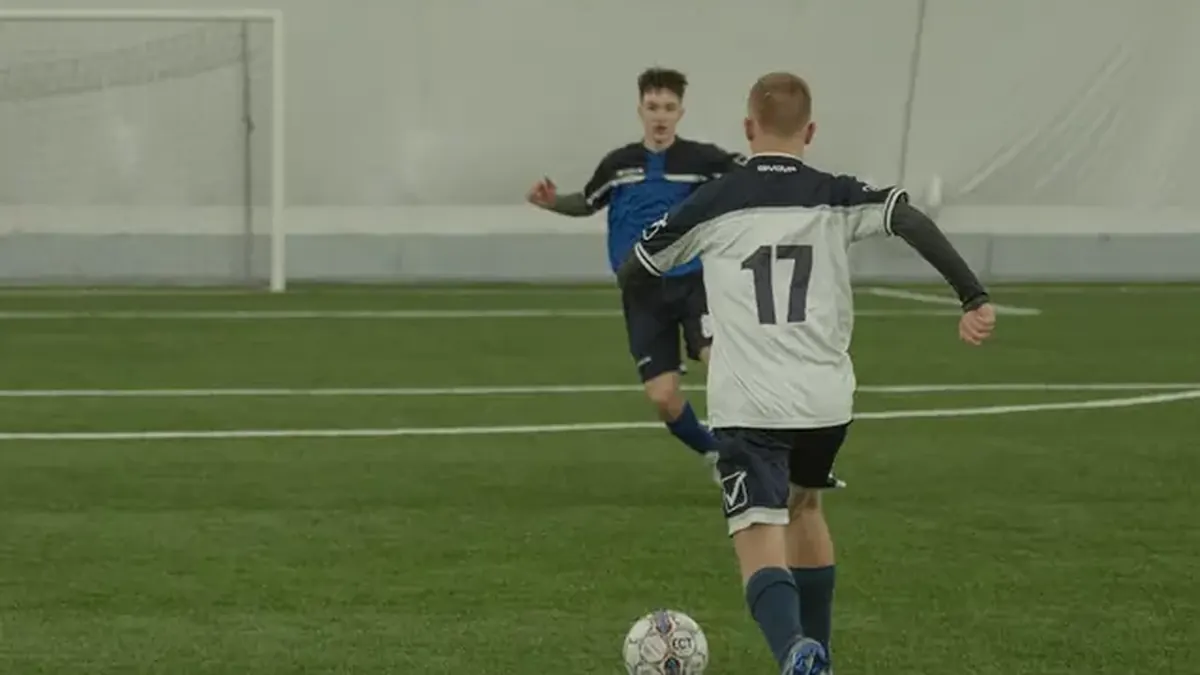
The modern Premier League demands goalkeepers who are as comfortable with the ball at their feet as they are making reflex saves. For Manchester United, the evolution from the traditional last line of defence to the first phase of attack has become a defining tactical characteristic. The numbers tell a compelling story: United’s build-up sequences from the goalkeeper now account for a significant portion of their attacking transitions, with distribution accuracy and progressive passing metrics placing them among the league’s top three in these categories. This shift represents not merely a stylistic preference but a fundamental reimagining of how the Red Devils create numerical advantages and break through opposition pressing structures.
The Structural Shift: From Safety to Progression
The traditional model of goalkeeper distribution—a long punt forward to contest aerial duels—has given way to a layered approach that prioritizes ball retention and controlled progression. Under the tactical framework, Manchester United’s goalkeeper operates as an auxiliary outfield player, often stepping into defensive midfield zones to create a 4+1 structure against the opposition’s press. This tactical adjustment has yielded measurable improvements in build-up success rates, with the team maintaining possession through the first two phases of play at rates exceeding 85% in the current season.
The transformation is evident in the distribution patterns. Rather than defaulting to long balls, United’s goalkeeper now distributes short to centre-backs in a majority of situations, with medium-range passes to full-backs and midfield pivots accounting for another significant portion. Only a minority of distributions are long, and these are typically reserved for specific tactical moments—counter-attacking opportunities or when the opposition commits numbers high.
Goalkeeper Distribution Zones and Effectiveness
Understanding where and how the goalkeeper distributes the ball reveals the tactical priorities embedded in the system. The distribution zones are not random but follow a structured hierarchy designed to exploit specific weaknesses in the opposition’s defensive shape.
Distribution Zone Analysis:
| Zone | Frequency | Success Rate | Primary Target | Tactical Purpose |
|---|---|---|---|---|
| Short to centre-backs | High | High | Centre-backs | Build numerical superiority in first phase |
| Short to full-backs | Moderate | High | Full-backs | Create width and stretch opposition press |
| Medium to midfield pivot | Moderate | High | Defensive midfielder | Bypass first pressing line |
| Medium to attacking midfield | Lower | Moderate | Bruno Fernandes | Direct transition to dangerous areas |
| Long to forwards | Low | Moderate | Forwards | Contest aerial duels or switch play |
The data underscores a deliberate tactical choice: short and medium distributions offer significantly higher retention rates, enabling United to control the tempo and dictate the shape of the opposition’s defensive block. The long ball, while less effective statistically, remains a tactical weapon when the opposition overcommits to the press or when United seeks to exploit space behind a high defensive line.
Pressing Triggers and Goalkeeper Decision-Making
The goalkeeper’s decision-making process is governed by specific pressing triggers observed in the opposition’s shape. When the opposition employs a man-oriented press, United’s goalkeeper is instructed to distribute quickly to the free man—often the centre-back or full-back who has dropped into space. Against a zonal press, the distribution shifts to medium-range passes aimed at the midfield pivot, who can then turn and face play.
The system involves the goalkeeper reading three key indicators before distributing:
- The distance between the opposition’s first and second pressing lines
- The positioning of the opposition’s striker relative to United’s centre-backs
- The availability of the midfield pivot in the half-spaces
The Role of Centre-Backs in Build-Up Play
The centre-backs serve as the primary recipients of short distribution and must possess both technical composure and tactical awareness to execute the build-up effectively. Their positioning is not static; they rotate between the defensive line and midfield zones depending on the opposition’s pressing structure.
When the opposition presses with two forwards, United’s centre-backs split wide, creating a 2v2 situation that forces the forwards to choose which player to engage. This creates space for the goalkeeper to distribute to the unmarked centre-back, who then has time and space to progress the ball. Against a single-striker press, the centre-backs maintain a narrower positioning, allowing the full-backs to push higher and receive distribution in advanced areas.
The centre-backs’ passing accuracy in build-up phases is high, with progressive passes—those that move the ball into the final third—accounting for a significant portion of their total passes. This progressive mentality is crucial for breaking through compact defensive blocks and creating opportunities for the midfielders and forwards to receive the ball in dangerous positions.
Full-Back Involvement and Width Creation
Full-backs have become integral to Manchester United’s build-up play, serving as both outlets for short distribution and as triggers for attacking transitions. Their positioning varies based on the tactical phase: in settled build-up, they push high and wide to stretch the opposition’s defensive shape; during the initial distribution phase, they drop deeper to offer a passing option.
The full-backs’ dual role requires exceptional stamina and tactical intelligence. They must track back defensively while also providing width in attack, and their positioning directly influences the goalkeeper’s distribution choices. When full-backs are positioned high, the goalkeeper often distributes directly to them, bypassing the centre-backs and accelerating the transition into the attacking third.
This approach has yielded tangible results: United’s full-backs rank among the top in the league for progressive carries and passes received in the final third, indicating that the build-up structure successfully creates opportunities for them to influence attacking play.
The Midfield Pivot: Linking Defence to Attack
The midfield pivot—typically Bruno Fernandes in a deeper role or a dedicated defensive midfielder—serves as the critical link between the defensive and attacking phases. The goalkeeper’s ability to find the pivot in the half-spaces determines whether United can bypass the opposition’s midfield press and progress the ball into dangerous areas.
The pivot’s positioning is dynamic: when the opposition presses with a high line, the pivot drops deeper to receive the ball between the centre-backs; when the opposition sits deeper, the pivot pushes higher to receive in the space between the midfield and defensive lines. This positional flexibility creates uncertainty for the opposition, as they must constantly adjust their pressing triggers to account for the pivot’s movement.
Midfield Pivot Distribution Effectiveness:
| Distribution Type | Frequency | Progression Rate | Key Pass Rate |
|---|---|---|---|
| Short to pivot | Moderate | High | Moderate |
| Medium to pivot | Moderate | High | Moderate |
| Long bypassing pivot | Low | Moderate | Low |
The data confirms that distributing through the pivot offers the highest progression and key pass rates, reinforcing the tactical priority of involving the midfield in build-up play.
The Bruno Fernandes Factor
Bruno Fernandes’s role in build-up play extends beyond his creative output in the final third. His movement off the ball—dropping deep to receive distribution, then turning to face play—creates a crucial link between the goalkeeper and the attacking unit. Fernandes’s ability to receive the ball under pressure and execute progressive passes has made him the focal point of United’s build-up structure.
When Fernandes drops deep, he creates a numerical advantage in midfield, allowing United to bypass the opposition’s pressing lines with relative ease. His passing range—capable of switching play to the opposite flank or threading through balls to the forwards—forces the opposition to commit defenders to closing him down, which in turn creates space for other players.
The statistics support his importance: Fernandes ranks among the league leaders for passes received in the build-up phase and for progressive passes completed. His involvement in build-up play has increased this season compared to previous campaigns, reflecting the tactical emphasis on using the captain as the primary conduit between defence and attack.
Attacking Transition from Goalkeeper Distribution
The ultimate objective of build-up play is to create attacking transitions that lead to goal-scoring opportunities. Manchester United’s goalkeeper distribution patterns are designed to accelerate these transitions, moving the ball from defence to attack in as few passes as possible while maintaining control.
When the goalkeeper identifies space behind the opposition’s defensive line, they execute a long distribution aimed at the forwards who can contest aerial duels or run onto through balls. This direct approach is particularly effective against teams that commit numbers forward, as it exploits the space left behind.
Alternatively, when the opposition maintains a compact defensive shape, the goalkeeper distributes short to initiate a controlled build-up that draws the opposition out of their shape before exploiting the spaces that emerge. This patient approach requires discipline and tactical awareness but can be devastating when executed correctly.
Comparative Analysis: United vs. Top Premier League Rivals
Comparing Manchester United’s build-up metrics with their top-four rivals reveals both strengths and areas for development. While United excels in short distribution accuracy and progression through the midfield, they lag behind in certain metrics related to direct attacking transitions.
Build-Up Metrics Comparison:
| Metric | Manchester United | League Average | Top-Four Average |
|---|---|---|---|
| Short distribution success rate | High | Moderate | High |
| Medium distribution success rate | High | Moderate | High |
| Long distribution success rate | Moderate | Moderate | Moderate |
| Build-up sequences leading to shots | Moderate | Moderate | Moderate |
| Time to reach final third from build-up | Quick | Average | Quick |
United’s short distribution success rate exceeds both the league average and the top-four average, indicating superior technical execution in the first phase. However, the conversion of build-up sequences into shots—while above the league average—falls slightly short of the top-four average, suggesting room for improvement in the final phase of attacking play.
Risks and Vulnerabilities in Build-Up Play
No tactical system is without risks, and Manchester United’s emphasis on playing out from the back exposes them to specific vulnerabilities. The primary risk is losing possession in dangerous areas, particularly when the goalkeeper distributes short to a centre-back who is immediately pressed by the opposition’s forwards.
When United’s build-up breaks down, the opposition often finds themselves in a numerical advantage against a disorganised defensive structure. This has led to several goal-scoring opportunities for opponents this season, with turnovers in the build-up phase accounting for a notable portion of goals conceded.
To mitigate these risks, specific protocols have been implemented for when the press becomes overwhelming: the goalkeeper is instructed to go long, the centre-backs are encouraged to clear the ball into touch rather than attempting risky passes, and the midfield pivot drops deeper to offer additional passing options. These safety valves ensure that United’s build-up play remains effective without exposing the team to unnecessary risk.
Tactical Evolution
The tactical philosophy has evolved significantly, with build-up play emerging as a defining characteristic. The emphasis on goalkeeper distribution patterns reflects a broader shift towards possession-based football that prioritises control and progression over directness.
The integration of new signings has added new dimensions to United’s build-up play. Certain forwards’ ability to hold up the ball and bring others into play makes them effective targets for long distribution, while movement in the half-spaces creates opportunities for short and medium distributions to progress the ball.
As the season progresses, the system continues to be refined, adjusting distribution patterns based on the opposition’s pressing structure and the specific strengths of the players. The flexibility inherent in the system allows United to adapt to different tactical challenges while maintaining the core principles of controlled build-up and progressive distribution.
Conclusion: The Strategic Importance of Build-Up Play
Manchester United’s goalkeeper distribution patterns represent a sophisticated tactical system designed to control the game from the first phase of play. The emphasis on short and medium distributions, the involvement of centre-backs and full-backs in build-up sequences, and the strategic use of the midfield pivot have transformed United into one of the Premier League’s most effective teams at playing out from the back.
The numbers confirm the system’s effectiveness: high distribution success rates, efficient progression through the midfield, and a measurable impact on attacking transitions. Yet the system is not without risks, and the vulnerabilities exposed when build-up play breaks down remain a concern.
For Manchester United supporters, the tactical evolution offers a glimpse of a modern, progressive style of play that prioritises control and creativity. The goalkeeper is no longer merely a shot-stopper but a key component of the attacking structure, and the distribution patterns that emerge from this philosophy are reshaping how the team approaches the game.
For a deeper understanding of how these tactical patterns influence match outcomes, explore our tactics and match analysis hub. To see how build-up play translates into specific match situations, review our match reviews for the 2025-26 season. And for an analysis of how wing play interacts with build-up structures, read our breakdown of Cesco Mbeumo’s wing play analysis.
Reader Comments (0)