The identity of Manchester United Football Club has been shaped as much by its supporters as by its players and managers. From the industrial heartlands of late-Victorian Manchester to the globalised digital era of the twenty-first century, the fan culture surrounding the Red Devils has evolved through tragedy, triumph, and transformation. Understanding this culture requires examining not merely the rituals of matchday at Old Trafford, but the deeper social, economic, and emotional bonds that have connected generations of supporters to a club that has often defined their sense of place and belonging.
The Origins of Support: From Newton Heath to Old Trafford
The story of Manchester United’s fan culture begins not in the grandeur of the Theatre of Dreams, but in the modest surroundings of Newton Heath. Founded in 1878 as Newton Heath Lancashire and Yorkshire Railway Football Club, the team drew its earliest supporters from the railway workers and local communities of industrial Manchester. These were not spectators in the modern sense, but working men who saw in the club a reflection of their own struggles and aspirations. The move to Bank Street in Clayton in 1893 and the subsequent financial crises that nearly ended the club in 1902 forged a bond of loyalty that would prove resilient.
When the club was saved by local businessman John Henry Davies and renamed Manchester United, the supporters who had weathered the uncertainty carried forward a sense of ownership that transcended mere attendance. The construction of Old Trafford in 1910, designed by architect Archibald Leitch, provided a permanent home that would become a cathedral of football. The stadium’s capacity of approximately 80,000 at its peak reflected the immense popularity the club had already achieved, but the true character of its fan culture was yet to be tested.
The Busby Babes and the Munich Air Disaster
The period following the Second World War saw Manchester United emerge as a force in English football under the management of Matt Busby. His vision of developing young talent from within the club’s youth system gave rise to the Busby Babes, a team that captured the imagination of supporters not merely for its success, but for its style and spirit. The average age of the team was remarkably low, and fans identified with these homegrown players as extensions of their own communities.
The Munich air disaster of 6 February 1958 represents the most profound moment in the history of Manchester United’s fan culture. Twenty-three people lost their lives, including eight players and three club officials, when the aircraft carrying the team crashed on take-off from Munich-Riem Airport. The tragedy did not merely devastate the club; it transformed the relationship between the supporters and the institution they followed. In the weeks and months that followed, fans across Manchester and beyond rallied to support the rebuilding of the team. The iconic image of Matt Busby, recovering from his own injuries, being carried by stretcher to watch a match at Old Trafford symbolised the indomitable spirit that had taken root.
The Munich disaster created a mythology that would define Manchester United’s identity for decades. The phrase “the United family” became more than a cliché; it described a genuine sense of shared grief and collective resilience. Supporters who had never met one another found common cause in their devotion to a club that had faced unimaginable loss and refused to surrender. This emotional inheritance was passed down through generations, ensuring that even those born long after 1958 understood the weight of that tragedy.
The Ferguson Era: Globalisation and the Changing Face of Fandom
The appointment of Sir Alex Ferguson in 1986 marked the beginning of a period that would fundamentally alter the nature of Manchester United’s fan culture. Under Ferguson’s leadership, the club achieved unprecedented success, winning thirteen Premier League titles, two UEFA Champions League trophies, and numerous domestic cups. This sustained dominance attracted supporters from around the world, transforming Manchester United from a club with a strong local following into a global brand with millions of fans across every continent.
The shift brought both opportunities and tensions. The rise of satellite television and the Premier League’s global marketing machine meant that matches were broadcast to audiences in Asia, Africa, the Americas, and beyond. New supporters, many of whom had never visited Old Trafford, adopted Manchester United as their club, drawn by the style of play, the charisma of players such as Eric Cantona, David Beckham, and Cristiano Ronaldo, and the sheer weight of silverware. The club’s commercial revenues soared, and Old Trafford became a destination for football tourists as much as a home for local fans.
Yet this globalisation also created friction within the existing fan base. Long-standing supporters, particularly those from the Greater Manchester area, voiced concerns about the erosion of traditional matchday culture. The increasing cost of tickets, the prioritisation of corporate hospitality, and the perceived dilution of the club’s local identity became sources of discontent. The Stretford End, once the epicentre of vocal support, saw changes in its atmosphere as the demographic of matchgoers shifted. Debates about what constituted a “real” fan became commonplace, reflecting deeper anxieties about the direction of the club and the sport more broadly.
The Glazer Ownership and Fan Activism
The acquisition of Manchester United by the Glazer family in 2005 represented a watershed moment in the history of the club’s fan culture. The leveraged buyout loaded the club with significant debt, and supporters responded with organised opposition that had no precedent in English football. The formation of the Manchester United Supporters’ Trust (MUST) gave a collective voice to fans who felt alienated by the new ownership structure. Protests, marches, and the symbolic wearing of green and gold scarves—colours associated with the club’s Newton Heath origins—became visible expressions of dissent.
The Glazer era saw the emergence of a more politically engaged and digitally connected fan base. Social media platforms allowed supporters to coordinate actions, share information, and amplify their message beyond the confines of Old Trafford. The frustration was not merely financial; many fans believed that the ownership’s approach prioritised commercial returns over footballing ambition and the preservation of the club’s heritage. The lack of communication between the board and the supporters created a sense of distance that contrasted sharply with the community ethos of earlier decades.
Despite the protests, matchday attendance remained high, reflecting the enduring loyalty of the fan base even when the relationship with the ownership was strained. This paradox—of continuing to support the team while opposing those who controlled it—characterised much of the Glazer period. The eventual announcement in 2022 that the club was exploring strategic alternatives, including a potential sale, was met with cautious optimism, but the scars of nearly two decades of tension remained visible.
Matchday Culture and Rituals at Old Trafford
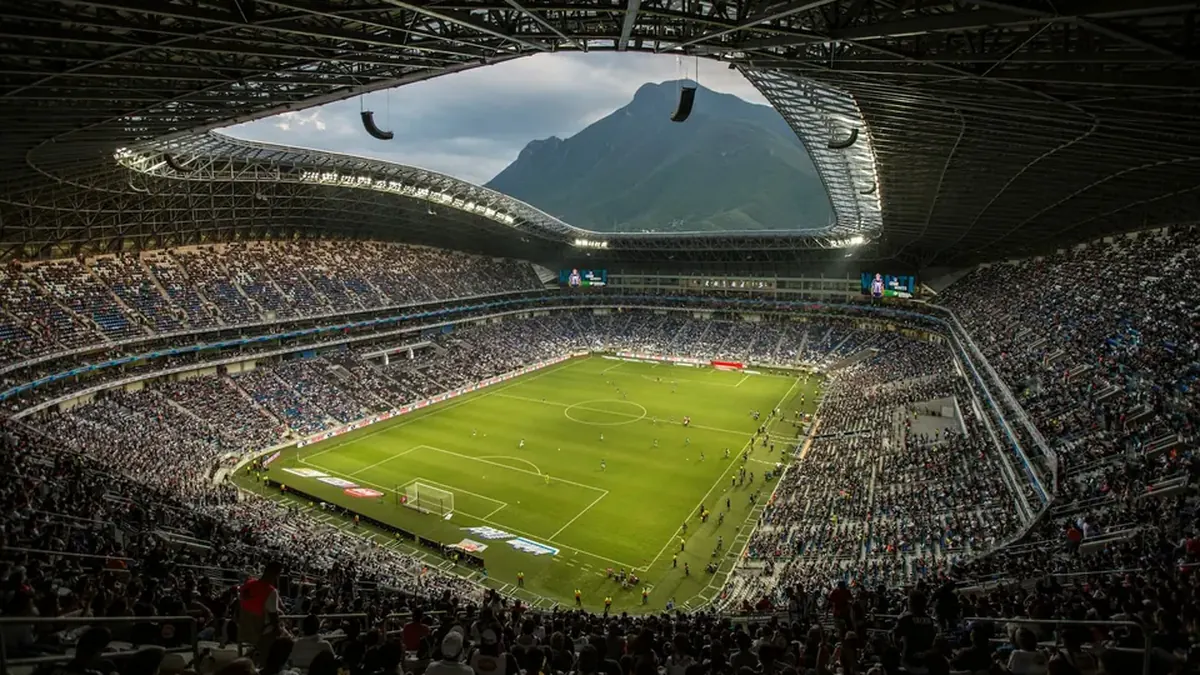
To understand Manchester United’s fan culture, one must consider the rituals that define matchday at Old Trafford. The stadium, known as the Theatre of Dreams, holds a capacity of over 74,000, making it the largest club football stadium in the United Kingdom. The approach to the ground along Sir Matt Busby Way, the sight of the iconic Munich clock commemorating the 1958 disaster, and the sound of the crowd singing “Glory, Glory Man United” create an atmosphere that is both familiar and electric.

The Stretford End, traditionally the home of the most vocal supporters, remains the spiritual heart of the stadium. Chants and songs, many of which have been passed down through generations, fill the air. The repertoire includes tributes to legendary players, humorous exchanges with opposition fans, and expressions of defiance in the face of adversity. The singing of “The United Calypso” and “Take Me Home, United Road” connects the present to the past, ensuring that the traditions of the terraces survive even as the stadium has been modernised.
The pre-match ritual of fans gathering in the pubs and streets surrounding Old Trafford—the Trafford, the Bishop Blaize, the Bricklayers Arms—reinforces the sense of community that has always been central to the club’s identity. For supporters who travel from outside Manchester, these gatherings provide an entry point into a culture that can seem impenetrable from the outside. The matchday experience is not confined to the ninety minutes on the pitch; it is a full-day event that begins hours before kick-off and continues long after the final whistle.
The Digital Age and the Expansion of the Fan Community
The internet and social media have transformed the way Manchester United’s supporters interact with the club and with one another. Official and unofficial fan forums, podcasts, YouTube channels, and Twitter accounts have created a global network of discussion and debate. Supporters who may never meet in person can share their passion, analyse performances, and organise campaigns with unprecedented ease.
This digital expansion has also brought challenges. The anonymity of online platforms can lead to toxic behaviour, and the sheer volume of content makes it difficult to distinguish informed analysis from sensationalism. The club’s massive global following means that any controversial decision—whether tactical, managerial, or commercial—generates intense scrutiny across multiple time zones. The pressure on players and staff, already immense, is amplified by the constant commentary of millions of voices.
Yet the digital sphere has also enabled positive developments. Fundraising initiatives for charitable causes, campaigns for improved supporter representation, and the preservation of the club’s historical archive have all been facilitated by online communities. The ability to connect fans from different countries and cultures has enriched the tapestry of Manchester United’s support, introducing new perspectives and traditions while maintaining the core values that have defined the club for over a century.
The Women’s Team and the Evolution of Fan Engagement
The growth of Manchester United Women, re-established in 2018 after an earlier dissolution, has added a new dimension to the club’s fan culture. The women’s team has attracted its own dedicated following, with supporters attending matches at Leigh Sports Village and, increasingly, at Old Trafford itself. The integration of the women’s team into the broader Manchester United identity has been gradual but significant, reflecting changing attitudes within football and society.
Fans of the women’s team often bring a different energy to matches, with families and younger supporters forming a notable part of the attendance. The atmosphere at women’s fixtures is frequently described as more inclusive and less confrontational than at some men’s matches, though the passion and commitment are no less intense. The success of the women’s team, including winning the Women’s Super League title and FA Cup, has helped to cement its place in the affections of the wider fan base.
The relationship between supporters of the men’s and women’s teams is generally positive, though occasional tensions arise over resource allocation and media coverage. The increasing visibility of the women’s team represents an opportunity for Manchester United’s fan culture to become more diverse and representative, reflecting the broader changes taking place in football and society.
The Future of Fan Culture at Manchester United
As Manchester United navigates the uncertainties of the post-Ferguson era, the role of its supporters remains as crucial as ever. The club’s identity, forged through tragedy and triumph, is sustained by the millions who call themselves United fans. The challenge for the future is to balance the demands of modern football—commercial pressures, global reach, digital engagement—with the traditions and values that have made the club unique.
The proposed redevelopment of Old Trafford, whether through renovation or construction of a new stadium, will test the relationship between the club and its supporters. Ensuring that the matchday experience retains its soul while meeting contemporary standards of comfort and accessibility is a delicate task. The involvement of fan representatives in decision-making processes, a development that has gained traction in recent years, offers a model for how the club can maintain its connection to its roots.
Ultimately, the fan culture of Manchester United is not a static entity. It evolves with each generation, adapting to new circumstances while preserving the memories and meanings that have been accumulated over more than a century. The supporters who fill Old Trafford, who follow the team from afar, who argue passionately about tactics and transfers, who remember the Busby Babes and the Ferguson years, are the true custodians of the club’s heritage. As long as they continue to sing, to protest, to celebrate, and to mourn together, the spirit of Manchester United will endure.
For further exploration of Manchester United’s rich history, see our comprehensive History and Heritage section, read about the transformative influence of Eric Cantona, and discover the journey of Manchester United Women.
Reader Comments (0)