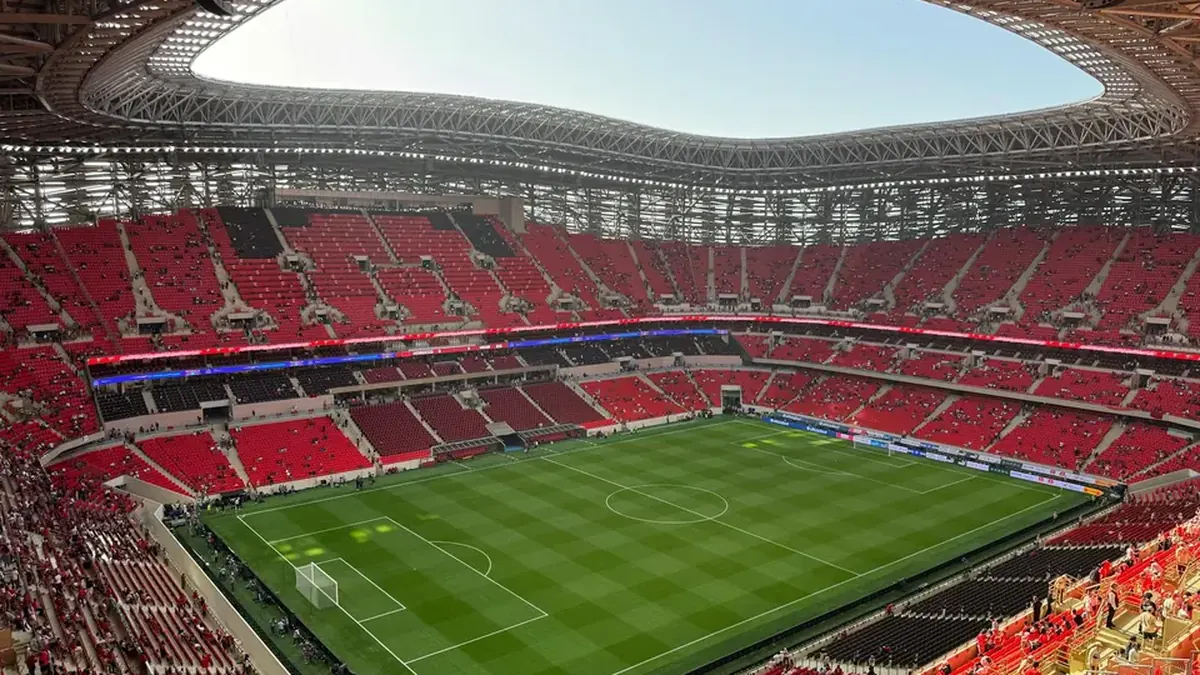
Few sporting venues command the global reverence reserved for Old Trafford. Since its inauguration in 1910, the stadium has transcended its function as a mere football ground to become a living monument to Manchester United Football Club’s tumultuous, glorious, and deeply human story. To understand the Theatre of Dreams is to understand the soul of the Red Devils themselves—a narrative woven from tragedy, resilience, innovation, and an unyielding pursuit of excellence. This article traces the architectural, cultural, and emotional evolution of Old Trafford, from its Edwardian origins to its present-day status as a hallowed cathedral of the beautiful game.
The Birth of a Footballing Cathedral
Before the red brick and sweeping stands of Old Trafford, Manchester United—then known as Newton Heath—played at Bank Street in Clayton. That ground, however, was beset by financial difficulties and structural inadequacies. It was the club’s first major trophy, the 1908 First Division title, that provided the financial springboard for a visionary move. Club chairman John Henry Davies, a wealthy brewer, commissioned renowned Scottish architect Archibald Leitch to design a stadium befitting a rising power.
Leitch’s design was ambitious for its time. The original Old Trafford could hold approximately 80,000 spectators, with a single-tier stand on the south side covered by a cantilevered roof—a rare feature in Edwardian football architecture. The stadium opened on 19 February 1910 with a match against Liverpool, which Manchester United lost 4–3. Yet the result mattered little; the venue itself was the triumph. Local newspapers marvelled at its “palatial” proportions, and the nickname “The Theatre of Dreams”—popularised in later decades—was already foreshadowed in the sense of occasion the ground inspired.
The Munich Air Disaster and the Spirit of Rebuilding
No chapter in Old Trafford’s history is as poignant—or as defining—as the Munich air disaster of 6 February 1958. The tragedy claimed the lives of 23 people, including eight Manchester United players from the celebrated “Busby Babes” squad assembled by manager Matt Busby. The stadium became a site of collective mourning and, subsequently, of defiant reconstruction.
In the immediate aftermath, Old Trafford was used as a gathering point for thousands of fans who left floral tributes and scarves. The club’s home matches were temporarily relocated to Maine Road, the stadium of local rivals Manchester City, as the ground underwent essential repairs and emotional reclamation. When Manchester United returned to Old Trafford for the first time after Munich on 24 August 1958, the atmosphere was electric with grief and hope. The stadium had been physically restored, but its symbolic weight had permanently shifted: it was no longer just a sports venue but a shrine to the fallen and a testament to the club’s refusal to capitulate.
Busby himself, recovering from severe injuries, would later oversee the construction of a new generation. The floodlights, installed in 1957, had already modernised the ground; the tragedy accelerated a deeper cultural transformation. Old Trafford became synonymous with the Busby Babes’ legacy—a promise that youth, courage, and attacking football would always be honoured within its walls.
The Ferguson Era: Expansion and Dominance
The appointment of Sir Alex Ferguson in 1986 heralded a period of sustained success that would physically reshape the stadium as much as it did the trophy cabinet. When Ferguson took charge, Old Trafford’s capacity stood at approximately 56,000, with the Stretford End—the iconic terrace behind the goal—still largely uncovered. The Taylor Report of 1990, mandating all-seater stadiums in the top flight, forced a comprehensive redevelopment.
Between 1992 and 2000, Old Trafford underwent three major expansions. The North Stand was rebuilt in 1995–96, adding a third tier and increasing capacity to over 55,000. The East and West Stands were subsequently extended, culminating in a capacity of approximately 76,000 by 2006—making Old Trafford the largest club stadium in England. Each expansion was funded by the club’s commercial growth under Ferguson’s on-pitch success, which included 13 Premier League titles and two UEFA Champions League triumphs.
The architectural evolution mirrored the club’s tactical and cultural identity. The Stretford End, now a two-tier all-seater stand, retained its reputation as the emotional epicentre of the ground—the source of the relentless vocal support that opponents often found intimidating. The Sir Alex Ferguson Stand, named in 2011, became a permanent tribute to the manager who had transformed the stadium into a fortress of victory.
The Glazer Era: Commercialisation and Controversy
The takeover of Manchester United by the Glazer family in 2005 introduced a new chapter in Old Trafford’s story—one defined by commercial prioritisation and fan discontent. While the stadium’s physical infrastructure continued to be maintained and upgraded, the ownership model shifted the financial focus toward maximising revenue streams. Corporate hospitality suites, executive boxes, and premium seating areas expanded, altering the demographic of the matchday crowd.
This commercialisation generated significant income—enabling the club to remain competitive in the transfer market—but also sparked enduring tension with the fanbase. Protests against the Glazer ownership frequently centred on Old Trafford, with marches from the pub to the stadium before matches. The “Love United, Hate Glazer” movement found its most visible expression in the stands, where banners and chants reminded the hierarchy that the stadium belonged, in spirit, to the supporters.
Despite these tensions, Old Trafford retained its status as a premier football venue. It hosted the UEFA Champions League final in 2003, as well as England international matches and concerts. The stadium’s museum, which opened in the 1990s, became a pilgrimage site for fans worldwide, chronicling the club’s history through artefacts, trophies, and interactive exhibits.
The Theatre of Dreams Today: Heritage Meets Modernity
In the 2025/26 season, Old Trafford stands at a crossroads between its storied past and an uncertain future. The stadium’s capacity of approximately 74,000 remains the largest in English club football, yet its infrastructure shows signs of age compared to newer venues such as Tottenham Hotspur Stadium or the Emirates Stadium. The concourses, catering facilities, and disabled access have been criticised by supporters and independent reports as outdated.
The current ownership has signalled interest in either extensive redevelopment of the existing site or construction of a new stadium adjacent to it. Preliminary feasibility studies have explored options including demolishing and rebuilding the South Stand, adding a third tier to the Sir Bobby Charlton Stand, or creating a new venue on the adjacent Trafford Park land. No final decision has been publicly confirmed, but the debate reflects a broader tension: how to honour Old Trafford’s heritage while equipping it for the demands of 21st-century football.
The stadium remains a living archive. The Munich Tunnel, which players walk through before matches, features images and tributes to the Busby Babes. The statues of Sir Matt Busby, Sir Bobby Charlton, and the Trinity (Best, Law, Charlton) outside the East Stand serve as constant reminders of the club’s lineage. For fans attending matches, the roar of the Stretford End still carries echoes of generations past.
A Comparative Look: Old Trafford Through the Decades
The following table summarises key milestones in Old Trafford’s physical and cultural evolution:
| Decade | Capacity (Approx.) | Key Developments | Cultural Significance |
|---|---|---|---|
| 1910s | 80,000 | Original Archibald Leitch design, single-tier south stand | Inauguration as a “palatial” venue |
| 1950s | 70,000 | Floodlights installed (1957); post-Munich restoration | Symbol of resilience and mourning |
| 1960s | 63,000 | Covered Stretford End; executive boxes introduced | Busby Babes legacy; European success |
| 1990s | 56,000→55,000 | Taylor Report compliance; North Stand redevelopment | Ferguson era dominance; all-seater conversion |
| 2000s | 68,000→76,000 | East and West Stand expansions; Sir Alex Ferguson Stand | Commercial growth; Glazer takeover |
| 2020s | 74,000 | Ongoing redevelopment feasibility studies; fan protests | Heritage preservation vs. modernisation debate |
Risks and Challenges Ahead
The future of Old Trafford is not without significant risks. The primary challenge is financial: a full redevelopment or new build would cost hundreds of millions of pounds, requiring either debt financing or external investment. The club’s current ownership structure, with Ratcliffe holding a minority stake alongside the Glazer family, presents complexities in decision-making. Any major capital project would require board approval and likely fan consultation.
A second risk is architectural. Certain structural changes may require heritage approval due to the original 1910 façade and the South Stand’s iconic red brickwork. Any redevelopment must balance modernisation with preservation—a delicate negotiation that has stalled similar projects at other historic grounds.
Third, the emotional dimension cannot be underestimated. For generations of fans, Old Trafford is not merely a building but a repository of memory. The Munich Tunnel, the statues, the very pitch itself carry intangible weight. A new stadium, however state-of-the-art, risks severing that emotional continuity. The club must navigate this sentimentality while addressing practical deficiencies in accessibility, concourse space, and matchday experience.
Old Trafford is far more than the sum of its bricks and mortar. It is a living chronicle of Manchester United’s journey from Newton Heath to global phenomenon—a stage for the Busby Babes’ tragedy and redemption, for Ferguson’s dynastic reign, and for the ongoing drama of modern football. Its nickname, the Theatre of Dreams, encapsulates both the ambition of the club and the dreams of millions who have passed through its turnstiles.
As the debate over its future intensifies, one truth remains constant: whatever form Old Trafford takes in the decades ahead, it will continue to embody the spirit of the Red Devils. For those who have witnessed a European night under the floodlights, or stood in the Stretford End for a derby victory, the ground is not just a venue—it is home. The chapter is far from closed; the next act awaits.
For further reading on the club’s broader heritage, explore our articles on Manchester United’s Kit Evolution and The Heritage and Future Vision of Manchester United. The story of Old Trafford is, ultimately, the story of Manchester United itself.
Reader Comments (0)