
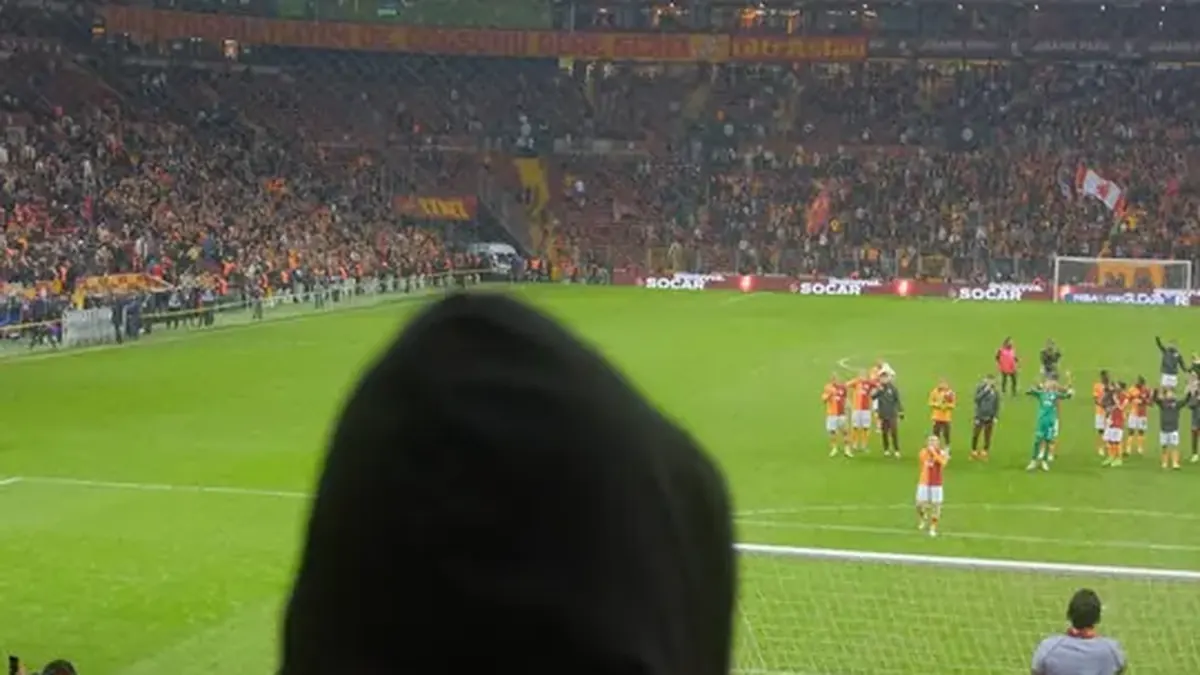
Direct Free Kick
A direct free kick is a dead-ball situation from which a goal can be scored directly against the opposing side—that is, without the ball touching another player. In the modern game, direct free kicks serve as a primary scoring opportunity, particularly from positions within 25 to 30 yards of goal. The taker aims to curl the ball around or over the defensive wall, targeting the top corners where the goalkeeper has minimal reach. A team’s approach may emphasize both power and placement, with a designated taker for central positions. The success rate of direct free kicks depends on the taker’s technique, the wall’s positioning, and the goalkeeper’s anticipation. Teams often deploy a “short” option to disguise the shot, where a second player runs over the ball to create uncertainty about the intended direction.
Indirect Free Kick
An indirect free kick requires the ball to touch another player—from either team—before a goal can be scored. This rule applies to less dangerous fouls, such as offside or dangerous play, and to certain technical infringements like a goalkeeper holding the ball for more than six seconds. Indirect free kicks inside the penalty area are rare but highly dangerous, as they allow the attacking team to set up a rehearsed routine with multiple players. Teams may use indirect free kicks to create crossing opportunities, particularly when the ball is positioned wide. The key is to force the defending team to commit to a defensive shape, then exploit gaps through quick passes or a runner arriving late. A tactical system often incorporates a dummy run or a feint to draw defenders away from the intended target.
Set-Piece Routine
A set-piece routine is a pre-rehearsed sequence of movements executed during a free kick or corner. These routines are designed to create space, confuse defenders, and generate high-quality chances. Set-piece routines may evolve to include layered runs, where one attacker moves toward the near post to drag defenders, while another curls around the back of the wall. The effectiveness of a routine depends on timing, disguise, and the ability to adapt to the defensive setup. Teams that fail to vary their routines become predictable, allowing opponents to block passing lanes or anticipate the delivery. An emphasis on in-game adjustments means routines are not static; they shift based on the opposition’s defensive weaknesses observed during the match.
Free-Kick Taker
The free-kick taker is the player designated to strike the ball from a dead-ball situation. This role requires technical precision, composure under pressure, and the ability to assess the defensive setup in seconds. A primary free-kick taker for central positions may be known for dipping, swerving deliveries that often beat the wall. For wider positions, the responsibility may shift to other players depending on the match situation. The taker must also decide between a direct shot and a cross, based on the distance to goal and the positioning of teammates. A successful free-kick taker studies goalkeeper tendencies, wall positioning, and wind conditions before striking.
Wall
The wall is a line of defensive players positioned 10 yards from the ball to block a direct shot. The wall’s composition—number of players, their height, and their jumping timing—is critical to its effectiveness. A poorly organized wall leaves gaps that an experienced taker can exploit. A defensive wall often includes tall players to cover the top corners, while shorter players may crouch to block low shots. The wall’s positioning is coordinated by the goalkeeper, who adjusts the line based on the ball’s location. In a tactical system, the wall is trained to jump in unison and to avoid turning away from the ball, which can create gaps for a driven shot.
Dummy Run
A dummy run is a feinting movement by an attacking player to deceive defenders during a set piece. The runner moves toward the ball or into a specific zone, drawing defenders away from the intended target. Teams frequently use dummy runs in their indirect free-kick routines, where a player runs over the ball to create confusion about the taker’s identity. The dummy run can also serve to block the goalkeeper’s view or to create space for a late-arriving teammate. Timing is essential: a run that starts too early allows defenders to recover, while one that starts too late fails to disrupt the defensive shape.
Near-Post Delivery
A near-post delivery is a free kick aimed at the front of the goal, typically targeting a player making a run toward the first post. This delivery is effective because it forces the goalkeeper to react quickly, often leading to deflections or rebounds. Teams have used near-post deliveries from wide free kicks, with players attacking the ball to glance a header goalward. The near-post runner must time their jump to meet the ball before the defender, and the delivery must be driven with pace to beat the goalkeeper. The set-piece coach may emphasize the near-post option as a primary threat, especially when the opposing goalkeeper is slow off their line.
Far-Post Delivery
A far-post delivery is a free kick aimed at the back of the goal, often curling or looping over the defensive line. This delivery is used when the near post is heavily defended, or when the attacking team has tall players capable of winning aerial duels at the back stick. Far-post deliveries often target a player who uses height and jumping ability to direct the ball back across goal. The far-post option requires precise weight on the ball; an overhit delivery sails out of play, while an underhit one is easily cleared. A tactical system may use far-post deliveries as a secondary option, particularly when the opposition’s defensive line is deep.
Short Free Kick
A short free kick is a quick, lateral pass to a teammate rather than a direct shot or long delivery. This option is used to maintain possession, reset the attack, or create a better angle for a cross. Teams often employ short free kicks when the defensive wall is well-organized, or when the taker wants to draw defenders out of position. The short pass can be followed by a quick return ball or a switch of play to the opposite flank. Tactical flexibility means the short free kick is not a fallback but a deliberate strategy to disrupt the defensive rhythm.
Long Free Kick
A long free kick is a delivery from deep positions, typically from the defensive half, aimed at bypassing the midfield and reaching attackers in the final third. This tactic is used to counter-press or to exploit space behind a high defensive line. Long free kicks are often directed toward a target man, who holds up the ball for supporting runners. The success of a long free kick depends on the accuracy of the delivery and the ability of the receiving player to control the ball under pressure. A tactical system may use long free kicks sparingly, as they risk losing possession if the target player is isolated.
In-Swinging Delivery
An in-swinging delivery curves toward the goal, making it difficult for the goalkeeper to read the trajectory. This type of free kick is effective for creating scoring chances, as the ball bends away from defenders and toward the attacking runners. A taker may be known for in-swinging deliveries from wide positions, which curl toward the far post and invite a header or volley. In-swinging deliveries are particularly dangerous when the attacking team has players making late runs into the box, as the ball arrives with pace and swerve. Set-piece routines often incorporate an in-swinging option to catch the defense off guard.
Out-Swinging Delivery
An out-swinging delivery curves away from the goal, making it easier for the goalkeeper to read but harder for defenders to clear. This delivery is used to create space at the near post or to target the back of the defensive line. Out-swinging free kicks are often aimed at the far post, where a player can attack the ball on the volley. The out-swinging delivery requires the taker to generate significant spin, and the timing of the runner’s run is critical to meet the ball at the optimal point. A tactical system may use out-swinging deliveries when the opposition’s goalkeeper is aggressive in claiming crosses.
Free-Kick Trap
A free-kick trap is a tactical foul committed by a defender to stop an attacking move, often resulting in a free kick for the attacking team. The trap is set when the defending team deliberately fouls in a position where the resulting free kick is less dangerous than the counterattack. A defensive system may train players to recognize when a tactical foul is necessary, particularly in transition moments. The free-kick trap is a calculated risk: a well-executed trap prevents a goal-scoring opportunity, but a poorly timed one gives away a dangerous set piece. Emphasis is placed on discipline in avoiding fouls near the penalty area, where the trap can backfire.
Free-Kick Routine Variation
Free-kick routine variation refers to the practice of changing the delivery type, runner movement, or taker to keep the defense guessing. Teams that rely on a single routine become predictable, allowing opponents to prepare specific defensive responses. Set-piece play may incorporate multiple variations: a direct shot, a short pass, or a dummy run followed by a cross. The variation is planned during training but adapted in real time based on the defensive setup. A tactical system emphasizes the importance of unpredictability, as even the best defensive organization can be undone by a well-disguised routine.
Goalkeeper Positioning
Goalkeeper positioning during a free kick is critical to the defense’s success. The goalkeeper must decide whether to stand centrally, cover the near post, or anticipate a cross. Poor positioning leaves gaps that an experienced taker can exploit. Goalkeepers are trained to read the taker’s body language and to adjust their position based on the ball’s location. The goalkeeper also coordinates the wall’s alignment, ensuring that the near post is covered and that there are no gaps between the wall and the post. A tactical system emphasizes the goalkeeper as the last line of defense in set-piece situations, requiring constant communication with the defensive line.
Defensive Wall Jump Timing
Defensive wall jump timing is the coordination of the wall’s leap to block a direct free kick. A wall that jumps too early may clear the ball’s path, while one that jumps too late fails to disrupt the trajectory. A defensive wall is trained to jump in unison, with the tallest players covering the top corners. The timing is often triggered by the taker’s run-up or the moment the ball is struck. Video analysis may be used to study opponents’ free-kick takers, adjusting the wall’s jump timing to counter specific techniques. A well-timed jump can deflect the ball or force the taker to adjust their shot.
Free-Kick Zone
A free-kick zone is a specific area on the pitch from which a direct free kick is most dangerous. Typically, this zone is within 25 yards of goal and centrally located, offering the taker a clear sight of the target. An attacking strategy aims to draw fouls in these zones, particularly through the dribbling of quick players or the turns of creative midfielders. Defending teams often commit tactical fouls to prevent a shot from these zones, but a well-placed free kick from a dangerous zone can result in a goal. A tactical system identifies these zones during match preparation, targeting opponents who are prone to fouling in central areas.
Blocking Run
A blocking run is a movement by an attacking player to obstruct the goalkeeper’s view or to prevent a defender from reaching the ball. This run is often made during a direct free kick, where a player positions themselves in front of the goalkeeper to limit their sightline. Teams use blocking runs in their set-piece routines, with a player standing near the goalkeeper to create confusion. The blocking run must be subtle to avoid a foul, and the player must move away before the ball arrives to avoid interfering with play. A tactical system trains blocking runs as part of the overall routine, ensuring they are timed to maximize their effect without drawing a whistle.
Free-Kick Rebound
A free-kick rebound is the ball that returns into play after striking the wall, the goalkeeper, or the goal frame. Rebounds are often dangerous because the defense is disorganized after the initial block. Attacking players are trained to anticipate rebounds, positioning themselves at the edge of the penalty area to pounce on loose balls. Players may be the first to react to rebounds, using their physicality to shield the ball and create a shooting opportunity. A tactical system emphasizes the importance of second-phase attacks, as a well-timed run onto a rebound can be as effective as the initial shot.
Free-Kick Decoy
A free-kick decoy is a player who runs over the ball to create confusion about the taker’s identity or the intended delivery. The decoy’s movement draws defenders’ attention, allowing the actual taker to strike or pass with less pressure. Teams frequently use a decoy in indirect free-kick situations, where a player runs over the ball while another prepares to strike. The decoy can also serve to block the goalkeeper’s view or to create space for a late-arriving runner. A tactical system uses decoys to add layers of complexity to set-piece routines, making them harder to defend.
Free-Kick Delivery Angle
The free-kick delivery angle refers to the trajectory and direction of the ball relative to the goal. A wide angle, from the flanks, favors a curling cross or a driven ball into the box, while a central angle allows for a direct shot. Takers adjust their delivery angle based on the ball’s position and the defensive setup. A taker’s ability to vary their delivery angle—from a low driven shot to a high curling effort—makes them a versatile threat. A tactical system trains takers to recognize the optimal angle for each situation, whether it’s a near-post cross or a far-post delivery.
Free-Kick Defensive Shape
Free-kick defensive shape is the organization of the defending team during a free kick, including the wall, the goalkeeper’s positioning, and the marking of attacking runners. A well-organized defensive shape reduces the space available for the attacking team and limits the taker’s options. A defensive shape is designed to protect the goal while allowing for quick transitions after the ball is cleared. The wall covers the near post, while the remaining defenders mark runners and cover the far post. Emphasis is placed on communication and discipline in maintaining the defensive shape, as a single lapse can result in a goal.
Free-Kick Transition
Free-kick transition refers to the shift from defense to attack or attack to defense immediately after a free kick is taken. A successful transition can catch the opposing team off guard, creating a counterattacking opportunity. A tactical system trains players to recognize the moment when the ball is cleared or saved, then to move quickly into attacking or defensive positions. For example, after a saved direct free kick, midfielders are instructed to press the ball to prevent a quick counter. A tactical system emphasizes the importance of transitions, as set pieces often lead to chaotic moments where the team that reacts fastest gains an advantage.
What to Verify
When analyzing free-kick strategies, always verify the specific rules of the competition, as the distance of the wall and the conditions for indirect free kicks can vary. For set-piece statistics and tactical details, consult the official club website and match reports. The organization of the wall and the taker’s technique are best assessed through video analysis of recent matches, as these elements change based on the opposition and match context. For a deeper understanding of tactical systems, refer to Tactics & Match Analysis hub.
Reader Comments (0)