
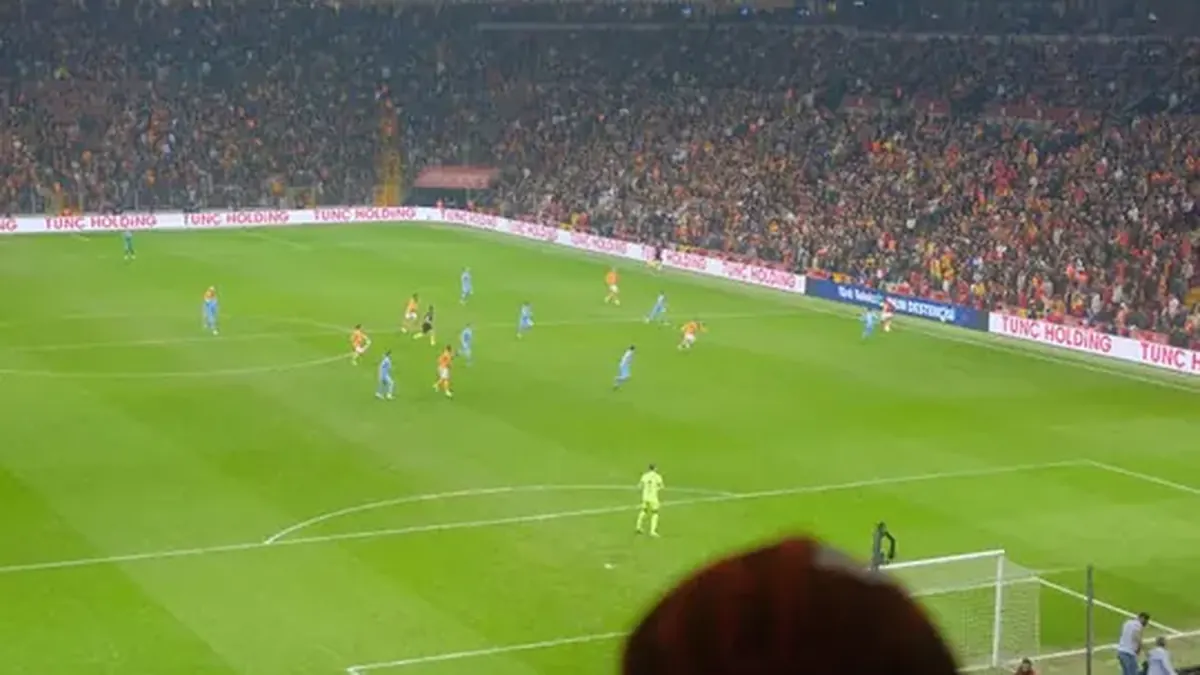
Since Michael Carrick took the tactical reins at Manchester United, one of the most scrutinized elements of the team's identity has been the high press. In theory, it is a weapon designed to suffocate opponents, force turnovers in dangerous areas, and create quick transitions. In practice, especially against the Premier League's elite—the so-called "Top Six"—the results have been inconsistent. This guide diagnoses why the high press often falters in these high-stakes fixtures, offers troubleshooting steps, and identifies when the problem lies beyond tactical tweaks.
The Core Problem: Why the Press Breaks Against Elite Opposition
The high press is not a one-size-fits-all strategy. Against lower-block teams, United often enjoys sustained pressure because the opposition is content to sit deep. But against Top Six rivals—who possess superior technical ability, faster decision-making, and structured build-up play—the press can become a liability. The primary issues fall into three categories:
- Coordination Gaps: The first line of pressure (the forwards) and the second line (midfielders) often fail to trigger simultaneously. This creates passing lanes through the press.
- Physical Mismatches: Elite teams exploit pace and strength in wide areas, bypassing the press with long diagonal switches.
- Fatigue Accumulation: High pressing demands immense energy. By the 70th minute, the intensity drops, and opponents with deeper benches exploit the gaps.
Step-by-Step Troubleshooting Guide
If you are analyzing match footage or discussing tactical adjustments, use this framework to identify where the press is failing.
Step 1: Assess the Trigger Point
What to look for: Watch the moment the press is initiated. Is it triggered by a specific pass (e.g., a sideways pass to a full-back) or by a general pressing cue (e.g., the goalkeeper receiving the ball)?
Common failure: United often presses reactively rather than proactively. For example, against Manchester City, the press may start only after the ball reaches Rodri, but by then, City's structure is already set.
Solution: The trigger should be earlier. Instruct the striker to curve their run to block the passing lane to the pivot, forcing the centre-back into a longer, riskier pass. This requires pre-match video analysis of the opponent's build-up patterns.
Step 2: Evaluate the Shape
What to look for: Is the press a 4-2-3-1 block that collapses centrally, or is it a man-oriented system where each player marks a specific opponent?
Common failure: Against Arsenal, United's wide midfielders often get caught between pressing the full-back and covering the inverted winger. This leaves the full-back isolated.
Solution: Switch to a 4-4-2 mid-block for the first 20 minutes of a Top Six match. This compacts the central areas and forces the opponent wide. Once the opponent's rhythm is disrupted, transition to a higher press. Carrick has occasionally used this "delayed press" approach, but it requires discipline.
Step 3: Analyze the Recovery Runs
What to look for: When the press is broken, how quickly do the midfielders and full-backs recover their defensive shape?
Common failure: A single line-breaking pass (e.g., a through ball to a winger) often leaves the entire press exposed. United's defenders are then forced into one-on-one situations.
Solution: Implement a "reset" rule: if the press is bypassed, the nearest midfielder must immediately drop into the backline to create a temporary back three. This buys time for the rest of the team to recover. This is a standard drill in Carrick's training sessions, but execution in matches varies.
Step 4: Monitor the Wide Areas
What to look for: Are the full-barks pushing high to support the press, or are they staying deep?
Common failure: Against Liverpool, Trent Alexander-Arnold's diagonal passes to Mohamed Salah often exploit the space left by a high-pressing full-back.
Solution: The full-backs should not press beyond the halfway line unless the winger is also tracking back. Instead, they should adopt a "jockey" position, forcing the opponent inside where the midfield can compress the space.
When the Problem Requires a Specialist
Not every pressing issue can be solved by tactical tweaks. Some problems are structural or personnel-based. Here is when you should escalate the diagnosis:
1. The Press Works but the Transition Fails
If United wins the ball high up the pitch but then loses it immediately due to poor passing or decision-making, the issue is not the press itself but the transition phase. This is a coaching problem that requires dedicated sessions on "counter-pressing" and quick forward passes. Carrick's possession build-up phases are relevant here, as the transition from press to attack must be seamless.
2. The Press Exposes Defensive Weaknesses
If the high press consistently leaves the centre-backs isolated in one-on-one situations, the problem is likely a lack of pace or positioning in the defensive line. This is a recruitment issue. For example, if a centre-back struggles to cover ground quickly, the press must be adjusted to a lower block. This requires a specialist—either a defensive coach to drill recovery runs or a sporting director to address the squad profile.
3. Fatigue Becomes a Recurring Factor
If the press collapses after the 60th minute in multiple Top Six matches, the issue is squad depth. United cannot sustain high intensity across 90 minutes without reliable substitutes. This is a squad-building problem, not a tactical one. The solution involves rotation policies and summer transfer priorities.
4. The Opponent's Tactical Adaptation
Elite managers like Pep Guardiola or Jürgen Klopp will specifically train their teams to beat a high press. If United's press is consistently dismantled by the same patterns (e.g., overloads in central midfield or quick one-twos), the coaching staff must analyze the opponent's specific counter-pressing strategy. This is a specialist task for the analytics department.
Practical Checklist for Fans and Analysts
Use this checklist when watching United's next match against a Top Six opponent:
- Is the press triggered early enough?
- Are the forwards and midfielders pressing as a unit?
- Does the team reset quickly after the press is bypassed?
- Are the full-barks in the correct position?
- Is the intensity maintained after the 60th minute?
- Is the transition from press to attack effective?
Related Reading
For a deeper understanding of Carrick's tactical philosophy, explore our analysis of Carrick's possession build-up phases and how they connect to the press. Also, examine Garnacho's dribbling impact in wide areas to see how individual brilliance can sometimes compensate for pressing failures.
The high press is a powerful tool, but against Top Six opposition, it requires surgical precision. The margin for error is thin, and the cost of failure is often a goal conceded. By systematically diagnosing the breakdown points, fans and analysts can better understand whether the issue is tactical, physical, or structural. When the press works, United looks like a title contender. When it doesn't, the gaps are exposed for all to see. The key is knowing when to press and when to hold.
Reader Comments (0)