
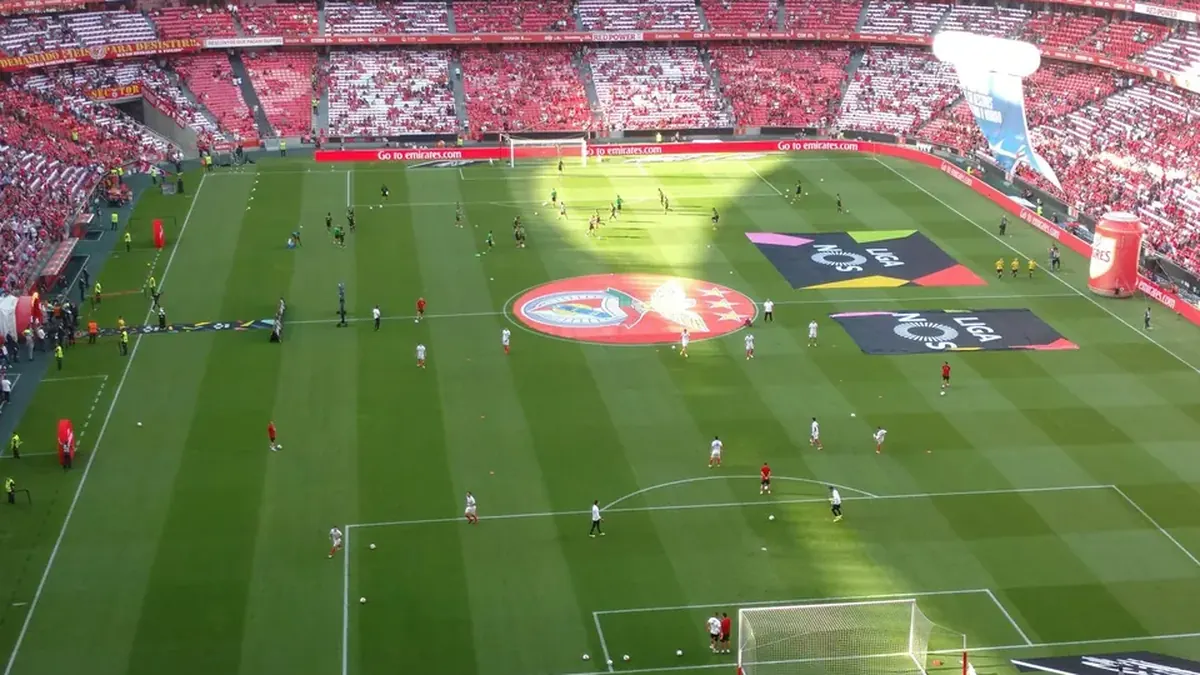
The process of identifying future stars isn't about luck—it's a meticulously structured operation that combines decades of tradition with cutting-edge data analysis. Manchester United's scouting network, rebuilt and refined under the current football leadership, operates on a clear set of principles that have produced talents over the club's history. Here's how they do it, broken down into actionable steps.
Step 1: Define the Profile Before the Search Begins
Every scouting mission starts with a clear target profile. United's recruitment team doesn't cast a wide net hoping for luck—they identify specific positional needs, age ranges, and playing styles that fit Michael Carrick's tactical system.
What they look for in a young prospect:
- Technical foundation: First touch, passing accuracy under pressure, dribbling in tight spaces.
- Football intelligence: Decision-making speed, off-the-ball movement, positional awareness.
- Physical potential: Not just current size, but projected growth, speed, and stamina for Premier League demands.
- Psychological resilience: Attitude in defeat, ability to take coaching, response to high-pressure situations.
Step 2: Layer the Scouting Network
United operates a multi-tier scouting system that covers every major football market. The network isn't flat—it's structured like a pyramid:
| Tier | Coverage | Focus |
|---|---|---|
| Global network of part-time scouts | Local leagues, youth tournaments | Initial identification |
| Regional heads of scouting | Countries or clusters (e.g., Scandinavia, South America) | Verification and deeper analysis |
| First-team and academy scouts | Specific age groups and positions | Final recommendations |
| Data analytics team | Global databases (Wyscout, StatsBomb) | Statistical validation |
Each scout files reports using a standardized template that scores players on technical, tactical, physical, and psychological attributes. This consistency allows the recruitment team to compare prospects across continents and competitions.
Step 3: Data Meets the Human Eye
United's analytics department doesn't replace scouts—it supports them. The club subscribes to multiple data platforms that track millions of actions across thousands of matches. The data team flags anomalies: a 16-year-old making progressive passes at a rate typical of senior professionals, or a young defender with exceptional recovery speed.
The process works in three phases:
- Data screening: Data analysis helps identify players who match United's statistical benchmarks for their position and age group.
- Initial viewing: A scout watches 3-5 full matches (not highlights) to assess off-the-ball movement, decision-making, and consistency.
- Cross-referencing: The scout's subjective report is compared against the data profile. Discrepancies trigger a second opinion.
Step 4: The In-Person Verification
Once a player passes the initial screening, a senior scout or the head of recruitment travels to watch them live. This is non-negotiable—video and data can't capture the full context of a match: the quality of opposition, the pitch conditions, the pressure of a cup final, or the player's body language when things go wrong.
During live viewings, United scouts focus on:
- Adaptability: How does the player adjust when the game plan changes?
- Leadership: Do they communicate? Do they take responsibility?
- Work rate: What do they do when their team doesn't have the ball?
- Clutch moments: How do they perform in decisive phases of the match?
Step 5: Background Checks and Character Assessment
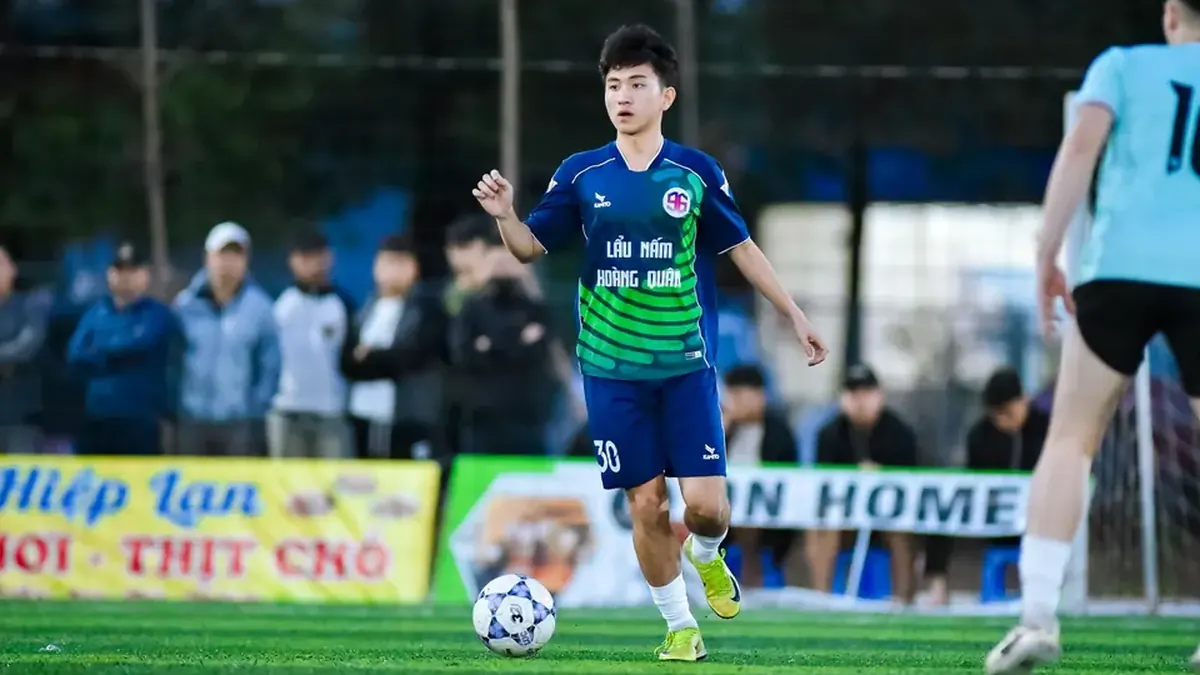
Talent alone isn't enough. United's recruitment team conducts thorough background checks on every serious target. This includes conversations with former coaches, teachers, and teammates. The club wants to know: Does this player have the discipline to train at Carrington? Can they handle the pressure of playing at Old Trafford?
Key questions the scouting team asks:
- How does the player react to criticism?
- Are they coachable?
- Do they have a support system that will help them adapt to life in England?
- Have they shown growth over the past 12-18 months?
Step 6: The Recommendation and Decision
If a prospect clears all previous steps, the scout prepares a comprehensive report that includes:
- Technical and tactical analysis
- Statistical comparison to current United players in the same position
- Projected development timeline
- Estimated transfer fee and salary expectations
- Risk assessment (injury history, cultural adaptation, competition from other clubs)
Step 7: Integration and Development
Identifying talent is only half the battle. United's academy and U23 setup are designed to bridge the gap between youth football and the first team. Players who join the club enter a structured development pathway that includes:
- Individual development plans tailored to each player's strengths and weaknesses
- Loan placements at carefully selected clubs that play a compatible style
- Regular reviews with the academy director and first-team coaching staff
Step 8: Continuous Evaluation and Adaptation
The scouting process doesn't end when a player signs. United tracks every signing's progress against their projected development curve. If a player stagnates or declines, the recruitment team reviews their initial assessment to identify what went wrong. This feedback loop improves the scouting methodology over time.
Lessons learned from past successes and failures inform future decisions. The club has refined its approach based on experiences with players like Alejandro Garnacho (signed young, developed within the system) versus other acquisitions that didn't adapt as quickly.
Final Checklist for Aspiring Scouts
If you're interested in how talent identification works, here's a practical checklist based on United's methodology:
- Study the system: Understand the tactical demands of the first team before evaluating players.
- Watch full matches: Highlights are misleading; context matters.
- Use data as a tool, not a crutch: Numbers tell part of the story, not all of it.
- Assess character: Talent gets you noticed; mentality keeps you there.
- Be patient: The best signings are often the ones you've watched 10 times, not once.
The process isn't perfect, and United has missed as many players as they've found. But the structure is there: a system built on discipline, patience, and the belief that the next great Red Devil is out there, waiting to be discovered.
Reader Comments (0)