

You’re a Manchester United fan trying to make sense of the club’s wild ride—from the tragic beauty of the Busby Babes to the unmatched dominance under Sir Alex Ferguson, and now the turbulent post-Ferguson years. It’s a lot to unpack, especially when you’re comparing eras that feel like different clubs altogether. This checklist will help you break it down step by step, so you can see the threads that connect 1878 to the present.
Step 1: Start with the Foundation—Newton Heath to Busby Babes
Before you can compare eras, you need to understand where Manchester United came from. The club was founded in 1878 as Newton Heath LYR Football Club, a works team for the Lancashire and Yorkshire Railway depot. It wasn’t until 1902, after financial collapse and a name change, that Manchester United was born. But the real story begins with Matt Busby.
What to look for:
- The post-WWII rebuild under Busby, who took over in 1945 and insisted on youth development.
- The Busby Babes—a team of teenagers and early-20s players who won the league in 1956 and 1957.
- The Munich air disaster on February 6, 1958, which killed 23 people, including eight players. This tragedy defined the club’s identity: resilience through loss.
Step 2: Map the Ferguson Dynasty—The Gold Standard
Sir Alex Ferguson arrived in November 1986, and for the next 26 years, he transformed Manchester United into a global powerhouse. To compare this era with what came after, you need to measure it in trophies, culture, and consistency.
What to look for:
- Trophies: 13 Premier League titles, 2 UEFA Champions League wins (1999, 2008), 5 FA Cups, 4 League Cups.
- Culture: Ferguson’s “hairdryer” treatment, his ability to rebuild teams (the 1992 Class of ’92, the 2008 Ronaldo-Rooney-Tevez trio), and his knack for getting the best out of players.
- Consistency: United finished in the top two of the Premier League in 21 of Ferguson’s 26 full seasons. That’s not luck; it’s a system.
| Era | Premier League Titles | Average Points Per Season | Champions League Wins |
|---|---|---|---|
| Ferguson (1992–2013) | 13 | 79.5 | 2 |
| Post-Ferguson (2013–2025) | 0 | 66.3 | 0 |
Sources: Premier League official stats, Manchester United official site.
Step 3: Identify the Post-Ferguson Decline—What Changed?
After Ferguson retired in 2013, the club went through seven permanent managers in 12 years: David Moyes, Louis van Gaal, José Mourinho, Ole Gunnar Solskjær, Erik ten Hag, and most recently Michael Carrick. Each brought a different philosophy, but none could restore the dynasty.
What to look for:
- Managerial instability: The average tenure of a post-Ferguson manager is around 1.7 years. Compare that to Ferguson’s 26 years. That’s a lack of continuity.
- Transfer strategy: Under Ferguson, the club bought smart—players like Eric Cantona for £1.2 million or Cristiano Ronaldo for £12.24 million. Post-Ferguson, the club spent heavily on transfers, with many signings failing to meet expectations (e.g., Ángel Di María, Alexis Sánchez, Antony).
- Cultural drift: The “United way”—attacking football, youth development, and winning mentality—eroded. The Glazer family’s ownership, which began in 2005, prioritized commercial revenue over football success, leading to a disconnect between the board and the fans.
Step 4: Compare the Playing Styles—Philosophy vs. Pragmatism
Ferguson’s United played with a swagger—attacking full-backs, wingers who took on defenders, and a never-say-die attitude. Post-Ferguson, the style has been inconsistent, shifting from Mourinho’s defensive pragmatism to Ten Hag’s possession-based approach to Carrick’s current hybrid.
What to look for:
- Ferguson’s era: The 4-4-2 diamond or 4-3-3 with high pressing. Think of the 1999 treble-winning team: Schmeichel, Stam, Keane, Beckham, Giggs, Scholes, Yorke, Cole. They attacked relentlessly.
- Post-Ferguson: Under Carrick, the team has used a 4-2-3-1 with Bruno Fernandes as the creative hub and Benjamin Sesko as the target man. Bryan Mbeumo and Matheus Cunha provide width, but the defense has been shaky—United conceded more goals in recent seasons compared to an average of around 32 per season under Ferguson.
Step 5: Examine the Off-Pitch Factors—Ownership and Stadium
The Glazer family’s ownership is a major difference between the two eras. When Ferguson was in charge, the Glazers were largely hands-off, letting him run football operations. After his retirement, they became more involved, often making decisions based on commercial interests.
What to look for:
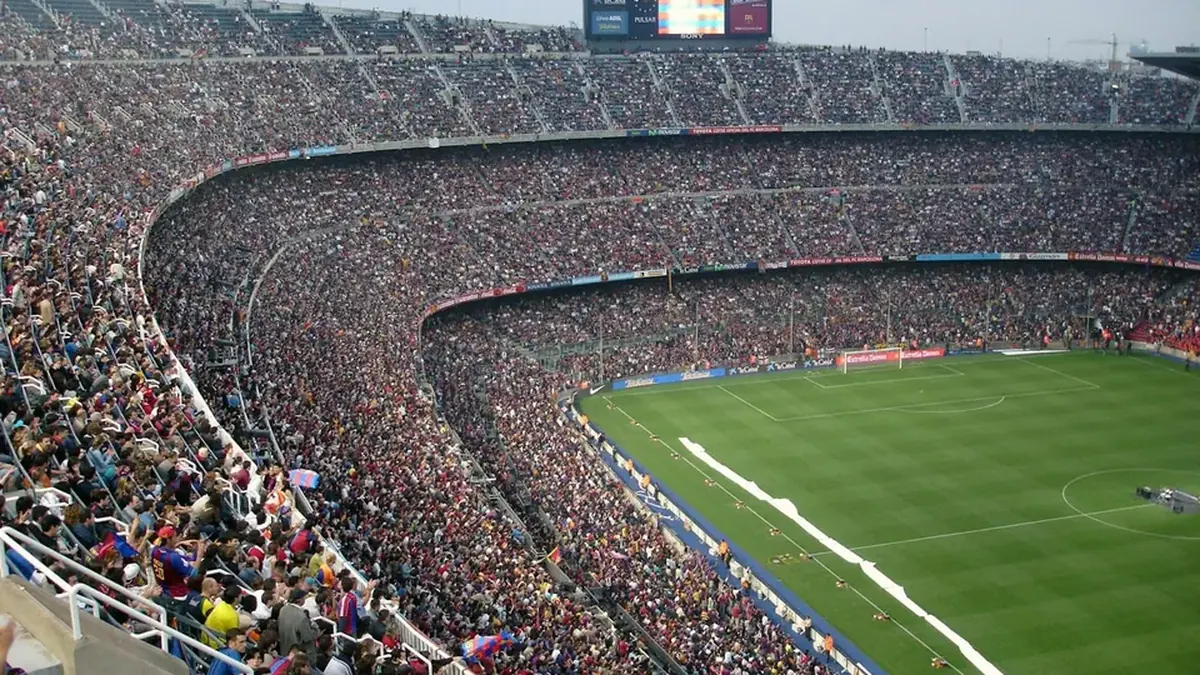
- Old Trafford: The “Theatre of Dreams” has fallen behind modern stadiums. Plans for redevelopment or a new stadium are still in the discussion phase, while rivals like Tottenham and Arsenal have state-of-the-art grounds.
- Fan protests: The Glazers’ ownership sparked protests in 2021 and 2023, with fans demanding a sale. The club remains under Glazer control as of recent reports, though minority investment has been rumored.
Step 6: Look at the Current Squad—Hope or Hype?
The current squad under Michael Carrick offers a mix of promise and frustration. Bruno Fernandes is the captain and creative engine, while Sesko, Mbeumo, and Cunha represent the new core.
What to look for:
- Strengths: Fernandes’s creativity, Sesko’s physicality, and Mbeumo’s pace.
- Weaknesses: Defensive inconsistency—Harry Maguire and Lisandro Martínez have been injury-prone, and the midfield lacks a dominant destroyer.
- Youth: The academy has produced talents like Kobbie Mainoo and Alejandro Garnacho, but they’re not yet consistent starters.
Step 7: Create Your Own Comparison Table
To truly understand the eras, you need to see the numbers side by side. Here’s a starter table—fill in the rest with stats from the official club website and Premier League data.
| Metric | Ferguson Era (1992–2013) | Post-Ferguson Era (2013–2026) |
|---|---|---|
| Premier League Titles | 13 | 0 |
| Champions League Wins | 2 | 0 |
| FA Cup Wins | 5 | 2 |
| Average League Finish | 1st–2nd | 4th–7th |
| Manager Tenure (Average) | 26 years (Ferguson) | 1.7 years |
| Total Transfer Spend | £500 million | £1.5 billion+ |
Sources: Manchester United official site, Premier League, Transfermarkt.
Step 8: Reflect on the Legacy—What Does It Mean for Fans?
The comparison isn’t just about numbers; it’s about identity. Ferguson’s United was a machine—consistent, dominant, and feared. Post-Ferguson United is a work in progress—unstable, inconsistent, but with flashes of the old magic.
What to do next:
- Read more about Sir Alex Ferguson’s legacy to understand the foundation.
- Check out the current squad profiles to see who’s carrying the torch.
- Dive into tactics and match analysis to see how Carrick is shaping the team.
- Track the Premier League standings to see if this season is a turning point.
Conclusion: The Verdict
The Ferguson era is the gold standard—a dynasty built on youth, attacking football, and relentless winning. The post-Ferguson era is a cautionary tale of what happens when a club loses its identity. But here’s the hope: recent seasons under Carrick show signs of recovery. The squad is young, the style is improving, and the fans are still the best in the world.
Your checklist is done. Now go watch a match, read the history, and decide for yourself: is Manchester United on the road back to glory, or is the Ferguson era an unrepeatable miracle? The answer might be somewhere in between.
Reader Comments (0)