The Fifth Beatle
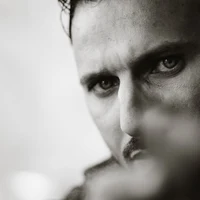
Walk down any memory lane of Manchester United, and you will inevitably stop at a figure who seemed to glide above the grass. George Best was not just a footballer; he was a cultural phenomenon who arrived at Old Trafford as a slight, shy teenager from Belfast and left as one of the most gifted players the game has ever seen. His story is one of breathtaking talent, individual brilliance, and a career that burned brightly but far too briefly at the highest level.
Early Days and the Discovery
George Best was born in Belfast, Northern Ireland, in 1946. His talent was evident from a young age, playing for local youth teams and catching the eye of Manchester United scout Bob Bishop. Bishop famously sent a telegram to manager Matt Busby that read: "I think I've found you a genius." Best arrived for a trial at Old Trafford, but his initial homesickness almost sent him back to Ireland. It was Busby's personal intervention and encouragement that convinced the teenager to stay. He signed as an apprentice, and his journey with the Red Devils began.
The Busby Babes' Heir
The Munich air disaster of 1958 had devastated the club, wiping out the legendary Busby Babes. As Matt Busby rebuilt his team, Best emerged as the jewel in the new crown. He made his first-team debut in 1963 at the age of 17. The following season, he became a regular, and his impact was immediate. He possessed an extraordinary combination of low centre of gravity, incredible balance, searing pace, and a bag of tricks that left defenders bewildered. He could score with either foot and was a master of the chip, the dribble, and the unexpected.
The 1968 European Cup Triumph
The pinnacle of George Best's career came in 1968. Manchester United reached the final of the European Cup, a decade after the tragedy in Munich. The match against Benfica at Wembley Stadium was a defining moment. Best scored a magnificent goal, a solo run and finish that showcased his genius. United won 4-1 after extra time, and Best was crowned the European Footballer of the Year, winning the Ballon d'Or. He was, at 22, the best player in Europe. This triumph was the ultimate vindication of Busby's project and a fitting tribute to the fallen Busby Babes.
The Style and the Genius
What made George Best so special was his ability to make the extraordinary look effortless. He was a natural entertainer. His dribbling was not just about beating a man; it was about humiliating him with grace. He could turn on a sixpence, accelerate away from a challenge, and finish with composure. He was equally adept on the left wing, the right, or through the centre. His close control was so good that he seemed to have the ball glued to his foot. He scored 179 goals in 470 appearances for Manchester United, a remarkable tally for a winger.

The Downfall and Departure
Off the pitch, Best's life became a cautionary tale. The fame, the money, and the pressures of being a global icon at a young age led him into a world of nightclubs, alcohol, and a celebrity lifestyle that was unsustainable. He was famously described as having "everything but the discipline." His relationship with manager Wilf McGuinness and later Frank O'Farrell became strained. His form declined, and the club's fortunes waned. In 1974, at the age of 27, he played his last game for Manchester United. He had walked out on the club several times before, and this time it was final. He never fully recovered his form or his life.
Legacy at Manchester United
Despite his premature departure and the what-ifs of his career, George Best remains an immortal figure at Old Trafford. He is the original "genius" of the modern era, a player whose name is synonymous with flair, entertainment, and the romantic ideal of football. He is part of the holy trinity of United legends alongside Bobby Charlton and Denis Law. His statue stands proudly outside the stadium, a permanent reminder of the boy from Belfast who became the Fifth Beatle.
What to Check
When reading about George Best, it is wise to verify specific match statistics and goal tallies against official club records. The number of appearances and goals can vary slightly between sources. For the definitive account of his career and life, refer to his authorised biographies and the club's official history. The 1968 European Cup final is a well-documented event, and match reports from the time are available in the archives of major newspapers.
Related Content
- Explore the stories of other United legends in our Legendary Players section.
- Read about the history of the Busby Babes and the Munich air disaster.
Reader Comments (0)