
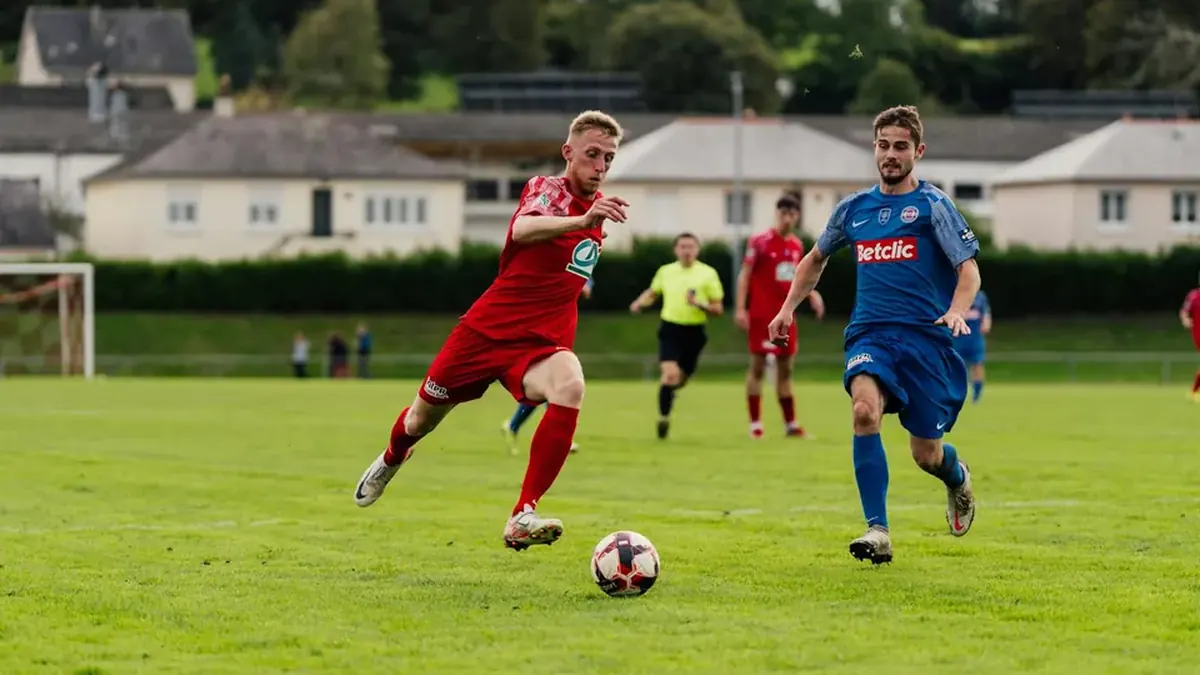
Ryan Giggs: The Eternal Wing Wizard of Old Trafford
Early Career and Debut
Ryan Joseph Giggs, born on November 29, 1973, in Cardiff, Wales, emerged as one of the most prodigious talents in British football history. He joined Manchester United as a schoolboy in 1987, signing his first professional contract on his 17th birthday in 1990. His senior debut came on March 2, 1991, against Everton at Old Trafford, where he came on as a substitute for Denis Irwin. That appearance marked the beginning of an extraordinary 24-year career entirely at Manchester United, a feat of loyalty and longevity rarely seen in modern football.The Ferguson Years and Tactical Evolution
Under the guidance of Sir Alex Ferguson, Giggs developed from a raw, lightning-fast winger into a complete, intelligent footballer. In his early years, he terrorized full-backs with his blistering pace, close control, and ability to cut inside from the left flank. His famous solo goal against Arsenal in the 1999 FA Cup semi-final replay remains one of the most iconic moments in English football history—a mazy run through the Arsenal defense, past four defenders, before slotting the ball into the net. That goal epitomized the fearless, instinctive style that defined his early career.As he aged, Giggs reinvented himself. In his late 20s and early 30s, he moved to a central midfield role, where his vision, passing range, and tactical intelligence became even more valuable. This transition allowed him to extend his career well into his 40s, adapting his game to compensate for the inevitable loss of pace. He became a deep-lying playmaker, controlling matches with his left foot and reading the game with a wisdom earned through thousands of hours at the highest level.
Record-Breaking Career
Giggs holds the record for the most appearances in Manchester United history, with 963 competitive matches across all competitions. He also holds the record for the most assists in Premier League history, a testament to his creativity and consistency. During his time at the club, he won 13 Premier League titles, 4 FA Cups, 3 League Cups, 2 UEFA Champions League titles, 1 FIFA Club World Cup, 1 Intercontinental Cup, and 1 UEFA Super Cup. He also claimed 2 PFA Young Player of the Year awards and 1 PFA Players' Player of the Year award.His longevity was remarkable. He played in every Premier League season from its inception in 1992 until his retirement in 2014, a span of 22 consecutive seasons. This consistency placed him at the heart of Manchester United's most successful era, from the early Premier League dominance of the 1990s through the Champions League triumphs of 1999 and 2008.
Key Attributes and Playing Style
Giggs possessed a unique combination of technical ability and athleticism. His dribbling was characterized by a low center of gravity, rapid changes of direction, and an ability to dribble at full speed while maintaining close control. He was equally comfortable on either foot, though his left foot was his primary weapon for crossing, shooting, and passing. His crossing accuracy was exceptional, often delivering pinpoint balls to the heads of strikers like Eric Cantona, Andy Cole, and Ruud van Nistelrooy.Defensively, he was underrated. In his younger years, he tracked back diligently, and in his central midfield role, he became a disciplined, positionally aware player who could break up opposition attacks. His work rate was always high, a quality that Sir Alex Ferguson valued immensely.
International Career and Legacy
For Wales, Giggs earned 64 caps, scoring 12 goals, between 1991 and 2007. Despite his individual brilliance, he never played in a major international tournament, as Wales failed to qualify for the World Cup or European Championship during his playing career. This remains one of the great what-ifs in football history—what could Giggs have achieved with a stronger national team around him?His legacy at Manchester United is immense. He is widely regarded as the greatest left winger in Premier League history and one of the most decorated players in English football. His loyalty, professionalism, and ability to adapt his game set a standard for future generations. After retiring as a player in 2014, he briefly served as assistant manager under Louis van Gaal and later as manager of the Wales national team from 2018 to 2022, though his managerial career has been less successful than his playing days.
What to Check
- Verify appearance and goal records through official Manchester United historical archives and Premier League statistics databases.
- Confirm trophy counts against the club's official honors list on the Manchester United website.
- Cross-reference any specific match details or memorable moments with contemporary match reports from reputable sources.
- For international caps and goals, consult the Football Association of Wales official records.
Related Reading
- History and Heritage — Explore the broader context of Manchester United's rich history.
- Busby Babes Era — Understand the foundation of the club's attacking philosophy.
- Sir Alex Ferguson Reign Timeline — Learn about the manager who shaped Giggs's career.
Reader Comments (0)