
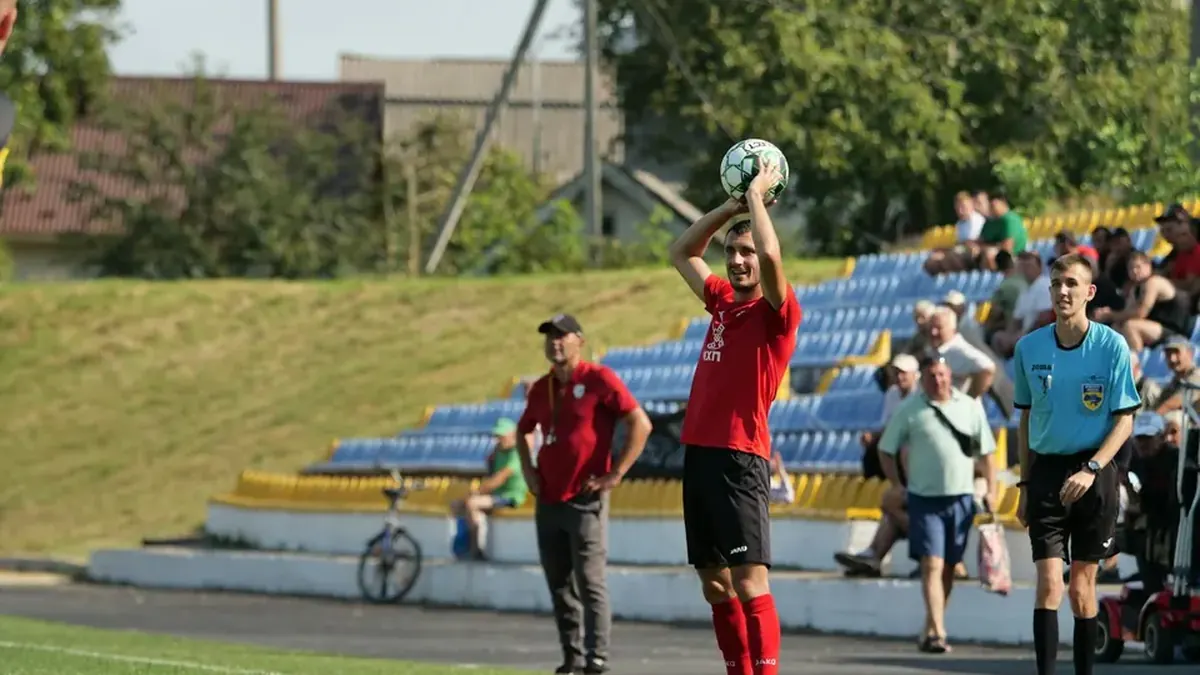
So you’re watching a United youth game, or scrolling through the club’s official site, and you spot a name you’ve never heard before—let’s say it’s a 17-year-old midfielder who’s been tearing it up for the U18s. You start wondering: What’s the actual path from Carrington to the first-team tunnel at Old Trafford? How does a kid go from training in the rain at the Aon Training Complex to sharing a dressing room with Bruno Fernandes?
If that question’s been rattling around your head, you’re not alone. The Manchester United academy has produced notable first-team talents like Rashford, Garnacho, and Mainoo, but the route isn’t a straight line. It’s a series of gates, decisions, and sometimes, frustrating dead ends. Let’s break down the real development path in 2026, the common bottlenecks, and what you can do if you’re a player, parent, or just a fan trying to understand why some talents make it and others don’t.
The Core Path: How It Actually Works
The academy isn’t a single ladder—it’s a multi-lane highway with exit ramps. Here’s the simplified structure as of 2026:
| Stage | Age Range | Typical Squad | Key Milestone |
|---|---|---|---|
| Pre-Academy | 6–8 | Local development centres | Invitation to U9 trial day |
| Foundation Phase | 9–11 | U9–U11 | Full-time scholarship offer |
| Youth Development Phase | 12–16 | U12–U16 | Academy Player Performance Plan (APPP) review |
| Professional Phase | 17–21 | U18, U21, loan | First professional contract |
The big shift happens around age 16–17. That’s when the club decides whether to offer a scholarship (the two-year apprenticeship) or release a player. If a kid gets a scholarship, they move into the U18 squad, train at Carrington full-time, and start getting integrated into first-team sessions.
But here’s the trouble spot: the gap between U21 football and Premier League minutes is often wide. Under Michael Carrick, the first team’s style tends toward possession-based but vertical play—quick transitions, high pressing, and tactical discipline. The U21s may play a more patient, possession-heavy game that doesn’t always translate. That disconnect can be a reason academy graduates stall.
Common Problems (and What to Do About Them)
Problem 1: My kid (or a player I follow) isn’t getting first-team training invites despite good U21 performances.
This is a frequent complaint from academy parents and fans who track the youth teams. A 19-year-old midfielder is dominating for the U21s—scoring, assisting, controlling games—but never gets called up to train with the seniors.
Step-by-step troubleshooting:
- Check the positional logjam. Is the first team stacked in that position? In 2026, United’s midfield includes Bruno Fernandes, Mason Mount, Kobbie Mainoo, and other options. If the player’s a number 8, the pathway might be blocked. The solution? Versatility. Can they play as a 6? As a wide midfielder? The ones who make it—think Mainoo—can adapt.
- Review the physical readiness report. The club uses GPS data and strength testing, like many elite academies. If a U21 player’s sprint data or body mass index is below the first-team threshold, they might not get the call, no matter how good their touch is. The fix is a specific strength and conditioning programme—ask the academy S&C coach for a targeted plan.
- Look at the loan history. Sometimes the club deliberately holds a player back from first-team training to protect their development. If they’re not ready for the physicality of Premier League training, throwing them in can cause injuries or confidence damage. The better indicator is whether they’ve been offered a loan to a Championship or League One side.
Problem 2: The loan move isn’t working—the player isn’t getting minutes.
United’s loan strategy in 2026 is reportedly more deliberate than in previous years, often targeting clubs that play a style similar to Carrick’s system. But loans can go wrong. A player goes to a Championship side, the manager gets sacked, and the new gaffer doesn’t rate them.
Step-by-step troubleshooting:
- Check the loan agreement. Did United include a minimum minutes clause? Some recent loans have included such clauses. If the clause exists and isn’t being honoured, the club may be able to recall the player in the January window. The parent or agent should contact the loans manager at Carrington.
- Evaluate the tactical fit. If the loan club plays direct, long-ball football and the player is a technical midfielder, they’ll struggle. The solution is to push for a reassignment in the next window to a club that matches United’s profile—think a possession-based side like Swansea, Plymouth under the right manager, or a Dutch Eredivisie club.
- Focus on off-pitch integration. Sometimes the problem isn’t football—it’s living alone in a new city, poor nutrition, or lack of structure. The academy has a welfare officer who can help with accommodation, transport, and mental health support. Use that resource.
Problem 3: The player is physically gifted but tactically behind.
This is surprisingly common. A 16-year-old is fast, strong, and can beat three defenders, but they don’t know when to press, when to drop into space, or how to read the game. In Carrick’s system, tactical intelligence is non-negotiable.
Step-by-step troubleshooting:
- Use video analysis. The academy provides access to Hudl or similar platforms. The player should watch their own games back, but also full first-team matches with a focus on off-the-ball movement. Ask them: Where was Bruno when the ball was on the left wing? Why did Mainoo drop into the back line?
- Work on positional drills outside of team sessions. A private coach who specialises in tactical awareness can help. The club’s academy coaches can recommend someone.
- Play in different positions in training. Sometimes a player who’s tactically naive as a winger becomes sharper as a full-back, where they have to read the game defensively. Versatility again.
The Carrick Effect: What’s Different in 2026?
Under Michael Carrick, the pathway has reportedly become more structured but also more demanding. He’s known for being hands-on with the academy, attending U21 games and knowing players by name, with a clear set of non-negotiable traits often cited:
- Decision-making speed: Can the player make the right pass under pressure within two seconds?
- Pressing triggers: Do they know when to engage and when to screen?
- Body orientation: Are they always half-turned to receive the ball forward?
When the Problem Requires a Specialist
Some issues can’t be solved with a YouTube video or a chat with the academy coach. Here’s when you need to bring in an expert:
- Injury recurrence: If a player keeps pulling hamstrings or has persistent groin issues, don’t just rest—see a sports medicine specialist who works with adolescent athletes. United’s medical team is excellent, but a second opinion never hurts.
- Mental health struggles: The pressure of being a United academy player is immense. If a player shows signs of anxiety, burnout, or loss of enjoyment, a sport psychologist is essential. The club has one on staff.
- Contract disputes: If the player is being offered a scholarship or professional deal that feels unfair, or if there’s a dispute about release clauses, get a football agent who specialises in academy contracts. Don’t negotiate alone.
A Quick Reality Check
The path from academy to first team is narrow. For every Mainoo, there are many talented kids who don’t make it. That doesn’t mean the academy failed—it means the standard is impossibly high.
What to Do Next
If you’re a parent or a player trying to navigate this path, here’s your checklist:
- Know the positional depth chart. See who’s ahead of your player in the squad.
- Understand the style gap. Look at how academy and first-team football differ in approach.
- Build a support team. Coach, S&C specialist, welfare officer, and if needed, a psychologist.
- Have a Plan B. The academy isn’t the only path to a career in football. Many United graduates thrive at other clubs, in lower leagues, or even in coaching.
But if it doesn’t work out? That’s not failure. That’s football.
What’s your experience with the academy pathway? Got a story of a player who made it—or one who slipped through the cracks? Drop your thoughts in the comments.
Reader Comments (0)