
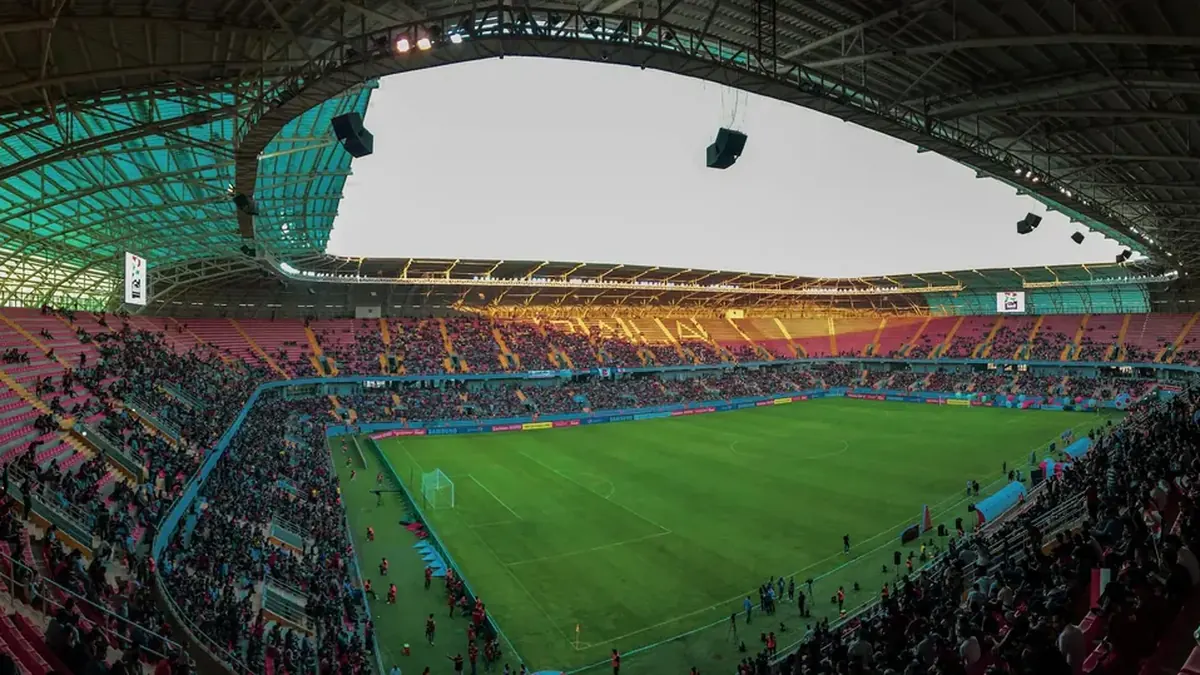
The relationship between Manchester United Football Club and the city of Manchester extends far beyond the ninety minutes played on the pitch at Old Trafford. Since the club’s origins as Newton Heath Lancashire and Yorkshire Railway Football Club in 1878, the institution has been intrinsically woven into the social and economic fabric of the region. However, the formalisation of community outreach as a structured, strategic endeavour did not emerge until the latter half of the twentieth century, evolving from ad-hoc charitable gestures into a comprehensive framework of social responsibility. This article examines the historical trajectory of Manchester United’s community outreach initiatives, tracing their development from the post-war period through the transformative eras of Sir Matt Busby and Sir Alex Ferguson, and into the contemporary landscape of professional football’s broader societal obligations.
The Post-War Foundations: From Recovery to Responsibility
The immediate aftermath of the Second World War presented Manchester United with an unprecedented opportunity to redefine its relationship with the local community. The club’s stadium at Old Trafford had been severely damaged by Luftwaffe bombing in 1941, forcing the team to share Maine Road with local rivals Manchester City for nearly a decade. This period of displacement inadvertently strengthened the club’s connection to its supporter base, as fans from across the industrial north-west rallied to support a team without a permanent home. When Old Trafford finally reopened in 1949, the sense of shared struggle and collective achievement had forged a bond that transcended mere sporting allegiance.
Sir Matt Busby, appointed as manager in 1945, understood that a football club’s responsibilities could not be confined to the training ground. His vision extended to the development of young players from the local area, a philosophy that would later crystallise into the Busby Babes. This commitment to youth development was, in its essence, a form of community investment—providing opportunities for working-class boys from Manchester and its surrounding towns to pursue professional careers. The average age of the first team during the mid-1950s reflected this philosophy, with players such as Duncan Edwards, Bobby Charlton, and Tommy Taylor emerging from the club’s youth system rather than expensive transfers from other clubs.
The Munich air disaster of 6 February 1958 represented a profound test of this community bond. The tragedy, which claimed the lives of eight players and three club officials, prompted an outpouring of support from across the football world and beyond. The club’s response to the disaster—rebuilding the team under Busby’s guidance while honouring the memory of those lost—demonstrated a resilience that resonated deeply with the Manchester public. In the years following Munich, the club’s community engagement intensified, with players regularly visiting hospitals, schools, and community centres across the region. These visits, while informal by modern standards, established a template for player-community interaction that would endure for decades.
The Ferguson Era: Institutionalising Outreach
The appointment of Sir Alex Ferguson in November 1986 marked a turning point not only in the club’s on-field fortunes but also in its approach to community engagement. Ferguson, who had previously managed Aberdeen in a region with strong community ties, understood the importance of embedding the club within its local context. Under his leadership, Manchester United’s outreach efforts became more structured and ambitious, reflecting the club’s growing commercial success and global profile.
The 1990s witnessed a significant expansion of the club’s charitable activities. The Manchester United Foundation, though not formally established until later, began to take shape through a series of initiatives focused on youth development, education, and social inclusion. The club’s success on the pitch—culminating in the treble-winning season of 1998–99—provided a platform for these efforts, with players such as Ryan Giggs, Paul Scholes, and Gary Neville becoming regular participants in community events. The Class of ’92, products of the club’s youth academy, embodied the connection between local talent development and community identity.
During this period, the club also began to address broader social issues through its outreach programmes. Anti-racism initiatives, educational workshops, and health awareness campaigns became increasingly prominent components of the club’s community strategy. The establishment of the “Manchester United Soccer Schools” programme, which provided coaching opportunities for young players regardless of their financial circumstances, extended the club’s reach beyond the immediate Manchester area while maintaining a focus on accessibility and inclusion. By the end of Ferguson’s tenure in 2013, the club’s community outreach had evolved from a series of ad-hoc activities into a professionally managed operation with dedicated staff, clear objectives, and measurable outcomes.
The Manchester United Foundation: Structure and Impact
The formal establishment of the Manchester United Foundation in 2006 represented a significant milestone in the club’s community outreach history. The Foundation was created to coordinate and expand the club’s charitable activities, providing a dedicated organisational structure for initiatives that had previously been managed across multiple departments. This institutionalisation allowed for more systematic planning, greater accountability, and enhanced capacity for partnership with external organisations.
The Foundation’s programmes have historically focused on several key areas: education, employability, health and well-being, and social inclusion. The “United for Education” initiative, for example, has provided classroom-based learning opportunities for young people who may be disengaged from traditional schooling, using football as a vehicle for developing literacy, numeracy, and interpersonal skills. Similarly, the “United for Health” programme has promoted physical activity and healthy lifestyles among children and young adults in underserved communities across Greater Manchester.
Partnerships with local authorities, schools, and charitable organisations have been central to the Foundation’s effectiveness. The collaboration with the Manchester City Council, for instance, has enabled the delivery of programmes in some of the city’s most disadvantaged wards, where access to sporting facilities and structured youth activities may be limited. The Foundation’s work has also extended to international contexts, with programmes in Africa, Asia, and the Middle East reflecting the club’s global reach while maintaining a focus on local community needs.
Community Outreach in the Glazer Era: Challenges and Continuity
The acquisition of Manchester United by the Glazer family in 2005 introduced new complexities to the club’s community outreach efforts. The leveraged buyout placed significant financial pressure on the club, with debt servicing costs raising questions about the sustainability of non-commercial activities. Despite these challenges, the club’s community programmes have continued to operate, albeit within a context of heightened scrutiny regarding the balance between commercial priorities and social responsibilities.
Critics have argued that the Glazer era has seen a shift in emphasis from local community engagement to global brand building, with outreach activities increasingly framed within the context of marketing and public relations. The club’s pre-season tours to Asia, North America, and Australia, for example, have included community events that serve both charitable and commercial objectives. While these activities have undoubtedly brought benefits to local communities in host countries, some observers have questioned whether they have come at the expense of deeper engagement with Manchester’s own communities.
Nevertheless, the club has maintained a significant presence in the Greater Manchester area throughout the Glazer period. The Manchester United Foundation has continued to expand its programmes, with initiatives such as “Street Reds” providing free football coaching in urban areas and “United for All” promoting social cohesion through sport. The club’s response to the COVID-19 pandemic, which included providing meals for vulnerable families and supporting local NHS trusts, demonstrated that the capacity for meaningful community action remained intact, even during periods of organisational and financial strain.
The Role of Old Trafford in Community Engagement
Old Trafford, known throughout the football world as the Theatre of Dreams, has served as more than a venue for competitive matches throughout its history. The stadium has been a focal point for community gatherings, charitable events, and educational activities, hosting everything from fundraising dinners to youth football tournaments. The stadium’s location in the Stretford area of Manchester, a community with deep historical ties to the club, has reinforced the connection between the physical infrastructure of the club and its social mission.
The recent proposals for redevelopment of Old Trafford, including the possibility of a new stadium on adjacent land, have raised important questions about the future of the club’s community engagement. Any redevelopment project would need to consider not only the commercial and sporting requirements of a modern elite football club but also the impact on local residents, businesses, and community organisations. The club’s history of community outreach suggests that these considerations will be central to any future planning, though the precise balance between development and preservation remains to be determined.
Comparative Analysis: Manchester United and Peer Clubs
To contextualise Manchester United’s community outreach historically, it is instructive to compare the club’s approach with that of other major European football institutions. The following table provides a comparative overview of key community engagement metrics across selected clubs:
| Club | Foundation Established | Primary Focus Areas | Annual Community Investment (Estimated) | Notable Programmes |
|---|---|---|---|---|
| Manchester United | 2006 | Education, Health, Social Inclusion | Significant multi-million pound commitment | United for Education, Street Reds |
| FC Barcelona | 1994 | Social Inclusion, Education, Culture | Substantial annual allocation | FCBEscola, Barça Foundation |
| Bayern Munich | 2008 | Youth Development, Social Responsibility | Notable annual investment | FC Bayern Hilfe, Youth Academy |
| Liverpool | 2010 | Education, Health, Social Inclusion | Considerable annual funding | Red Neighbours, LFC Foundation |
The comparison reveals that Manchester United’s community outreach, while not the earliest established among elite European clubs, has been among the most comprehensive in terms of programme breadth and geographic reach. The club’s emphasis on education as a core pillar of its foundation work distinguishes it from some peers who have prioritised youth football development or cultural initiatives. However, the relatively late formalisation of the foundation structure—compared to Barcelona’s 1994 establishment—suggests that the club’s early community efforts were less institutionally coordinated than those of some continental counterparts.
Risks and Challenges in Community Outreach
Community outreach initiatives in professional football are not without their risks and challenges. For Manchester United, several historical and ongoing concerns merit consideration:
| Risk Category | Description | Historical Context | Mitigation Strategies |
|---|---|---|---|
| Commercialisation | Community activities perceived as marketing rather than genuine charity | Glazer era emphasis on global brand building | Transparent reporting of outcomes and independent evaluation |
| Sustainability | Maintaining programmes during financial downturns or ownership changes | Post-2005 debt servicing pressures | Endowment funds and multi-year partnership agreements |
| Impact Measurement | Difficulty quantifying social outcomes | Historical reliance on anecdotal evidence | Adoption of standardised metrics and longitudinal studies |
| Community Trust | Maintaining credibility with local stakeholders | Perception of elite disconnect | Regular consultation with community representatives |
The risk of commercialisation has been particularly pronounced during the Glazer era, where community programmes have sometimes been presented alongside commercial partnerships in ways that blur the distinction between charitable activity and brand promotion. Maintaining community trust requires ongoing transparency about the objectives, funding, and outcomes of outreach initiatives, as well as genuine engagement with local stakeholders who may be sceptical of the club’s motives.
Conclusion: The Enduring Legacy of Community Engagement
The historical evolution of Manchester United’s community outreach reflects broader changes in the relationship between professional football clubs and their surrounding communities. From the post-war recovery efforts under Sir Matt Busby to the structured programmes of the Manchester United Foundation, the club has maintained a consistent commitment to social responsibility, even as the commercial context of elite football has transformed dramatically. The challenges of the Glazer era have tested this commitment, but the resilience of the club’s community programmes suggests that outreach remains a core component of Manchester United’s identity.
For further exploration of the club’s historical foundations, readers may consult the related articles on the origins of Newton Heath and the legacy of the Busby Babes. These pieces provide essential context for understanding how Manchester United’s community engagement has been shaped by its unique history, from its industrial roots in late nineteenth-century Manchester to the tragic events of 1958 that forged an enduring bond between club and community. As the club navigates an uncertain future, including potential changes to its ownership structure and stadium infrastructure, the lessons of this historical legacy will remain relevant to any discussion of Manchester United’s place in the city it represents.
Reader Comments (0)