

As the summer 2026 transfer window approaches, Manchester United's scouting network is reportedly focusing on Ligue 1, a league that has historically produced some of Europe's most exciting talents. The French league's unique blend of athleticism, technical ability, and relatively accessible price points makes it an attractive hunting ground for clubs operating within financial parameters. For United, a strategic pivot toward French football could reflect both a tactical need for specific profiles and the reality of a competitive market where Premier League premiums continue to inflate.
Ligue 1 as a Talent Pool
Ligue 1 has long served as a proving ground for players who later dominate European football. The league's physical demands, combined with its emphasis on individual brilliance, create a distinct profile of footballer—one often capable of adapting to the Premier League's intensity. Manchester United's recruitment department has historically maintained strong relationships with French clubs, and the summer 2026 window could be a period where those connections yield significant returns.
The French league's structure, with clubs like Paris Saint-Germain, Olympique Marseille, and AS Monaco operating at different financial levels, means that talent is distributed unevenly. This creates opportunities for Premier League clubs to identify undervalued assets before they command European-wide attention. For Manchester United, the challenge lies in acting decisively before competitors recognize the same potential.
Profile of Targets
The typical profile Manchester United might seek from Ligue 1 includes players who combine technical security with physical robustness. The Premier League demands quick transitions, and French-trained players often excel in this regard. Wingers with explosive acceleration, central midfielders comfortable under pressure, and defenders who can handle one-on-one situations—these are the archetypes that appear frequently on scouting reports from French stadiums.
Age also plays a significant role. The club's recent recruitment strategy has favored players between 21 and 25 years old, an age bracket where Ligue 1 is particularly rich. This demographic represents a sweet spot: experienced enough to contribute immediately, yet young enough to develop further within a system.
Financial Considerations
The financial landscape of Ligue 1 has shifted considerably in recent years. While PSG remains an outlier with almost unlimited resources, other French clubs have become more willing sellers, particularly when Premier League clubs come calling. The summer 2026 window may see this trend continue, though the specific valuations will depend on individual contract situations and the competitive dynamics of the European market.
Manchester United's transfer budget planning for 2026 is not publicly confirmed, though it is recognized that Ligue 1 deals often involve structured payment terms rather than upfront lump sums. This financial flexibility could prove crucial in a window where multiple targets may be pursued simultaneously.
Tactical Fit
Michael Carrick's tactical system, as understood from recent seasons, demands specific qualities from each position, and Ligue 1 has demonstrated its ability to produce players who fit these requirements. The league's emphasis on technical security under pressure aligns with a possession-based philosophy, while its physicality prepares players for the demands of English football.
One area where French football particularly excels is in producing wide attackers comfortable in half-spaces. Many systems rely on wide players who can both stretch defenses and combine centrally, a dual requirement that Ligue 1 attackers often fulfill naturally. Similarly, central midfielders from French academies tend to possess excellent ball retention skills, a non-negotiable in possession-based approaches.
Historical Precedents
Manchester United's relationship with French football has a rich history. From Eric Cantona's transformative arrival to more recent acquisitions, the club has consistently found value in Ligue 1. This historical success creates a level of institutional confidence in the French market, though it also raises expectations for any new arrivals.
The club's recruitment team is known to maintain detailed dossiers on potential targets, tracking performance metrics across multiple seasons rather than relying on short-term form. This methodical approach has served United well in previous windows and could inform their strategy for summer 2026.
Competition from Other Clubs
Manchester United is not alone in recognizing Ligue 1's potential. Other Premier League clubs, as well as top sides from Spain, Germany, and Italy, regularly monitor French football. This competition means that United must act with both speed and discretion, particularly for high-profile targets who may attract multiple suitors.
The club's global brand and the appeal of playing at Old Trafford remain significant advantages. For many players, the opportunity to join Manchester United represents a career milestone, and this pull factor can sometimes outweigh financial considerations from other suitors.
Timing of Transfers
The summer 2026 window will unfold in distinct phases. Early movers often secure the best value, while later deals may involve more negotiation as selling clubs face pressure to complete their own recruitment. Manchester United's planning likely accounts for this timeline, with priority targets identified well in advance of the window opening.
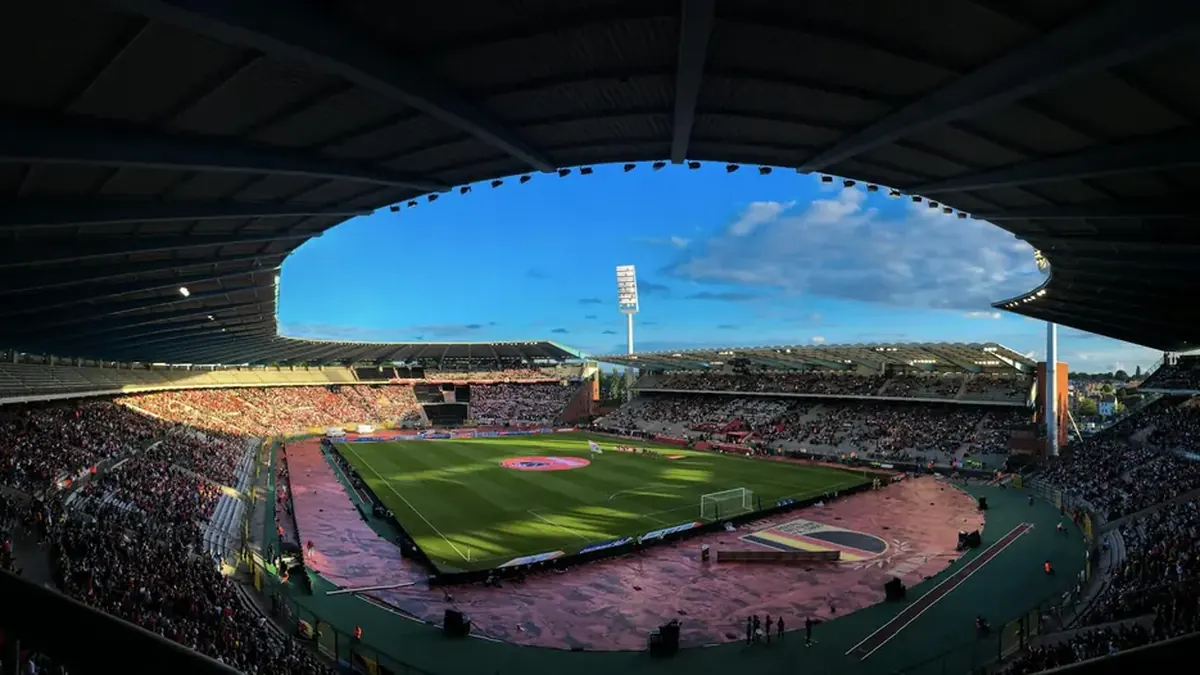
International tournaments in the summer of 2026 could also influence the market. Strong performances by French-based players at major competitions often trigger bidding wars, making pre-tournament acquisitions potentially valuable. United's scouting team may monitor form throughout the spring to identify players who could see their valuations rise.
Integration into the Squad
Once potential targets are identified, the question of integration becomes paramount. Manchester United's current squad has a settled core, and any new arrivals must complement rather than disrupt the existing dynamic. This consideration influences not only which players are targeted but also the timing of their arrival.
Pre-season tours and early summer training camps provide opportunities for new signings to acclimate to tactical methods. The club's coaching staff places significant emphasis on tactical understanding, and players arriving from different football cultures require time to absorb new concepts.
The Role of Agents and Intermediaries
The modern transfer market is heavily influenced by agent relationships and intermediary networks. Manchester United's recruitment department maintains contact with key figures in French football, ensuring that the club is informed of potential opportunities before they become public knowledge.
These relationships can facilitate smoother negotiations, particularly for complex deals involving multiple parties. However, they also require careful management to avoid conflicts of interest and ensure that the club's priorities remain paramount.
What to Check
- Official club communications: Manchester United's official website and social media channels remain the most reliable sources for confirmed transfer activity.
- Registrations with the Premier League: Completed transfers are registered with the Premier League, providing official confirmation of deals.
- Player contract status: Understanding remaining contract length helps assess realistic availability and potential transfer fees.
- Work permit requirements: Post-Brexit regulations affect the eligibility of players from certain leagues, though French players typically meet the criteria.
Academy Connections
Manchester United's academy frequently produces players who share stylistic similarities with Ligue 1 talents. The club's youth development philosophy emphasizes technical security and tactical intelligence, qualities that also characterize many French-trained players. This alignment makes it easier for academy graduates to integrate with potential signings from France.
The club's under-21 and under-18 teams have increasingly adopted playing styles that mirror the first team, creating a seamless pathway for young players. When first-team signings from Ligue 1 arrive, they often find that the academy products they train alongside understand the tactical demands of the system.
Long-Term Planning
The summer 2026 window represents one phase in Manchester United's ongoing squad evolution. While specific targets may change based on availability and performance, the club's strategic direction remains consistent. French football will continue to be an important source of talent, both for immediate first-team contributions and for development within the squad.
The relationship between United and French clubs extends beyond individual transfers. Collaborative arrangements, such as loan agreements and friendly matches, help maintain connections that facilitate future business. These relationships are cultivated over years rather than weeks, and they form an essential part of the club's recruitment infrastructure.
Fan Expectations
Manchester United supporters approach the transfer window with a mixture of hope and skepticism. The club's recent history includes both inspired signings and costly mistakes, and fans have become increasingly knowledgeable about the complexities of the modern market. For any potential signing from Ligue 1, supporters will demand evidence of both talent and fit.
The fan media ecosystem, including platforms like Red Routed, plays a crucial role in analyzing and contextualizing transfer activity. Informed discussion helps manage expectations while maintaining enthusiasm for the club's direction.
Manchester United's potential focus on Ligue 1 for the summer 2026 transfer window reflects a broader strategic approach to squad building. The French league offers a combination of quality, value, and stylistic fit that aligns with the club's needs. While specific targets may emerge as the window approaches, the underlying logic of this recruitment strategy is sound.
The success of any transfer window depends on execution rather than intention. Identifying the right players, negotiating favorable terms, and integrating them effectively into the squad—these are the challenges that will determine whether United's French foray yields lasting benefits. For a club with Manchester United's ambitions, getting this window right could provide the foundation for sustained success in the seasons ahead.
Reader Comments (0)