
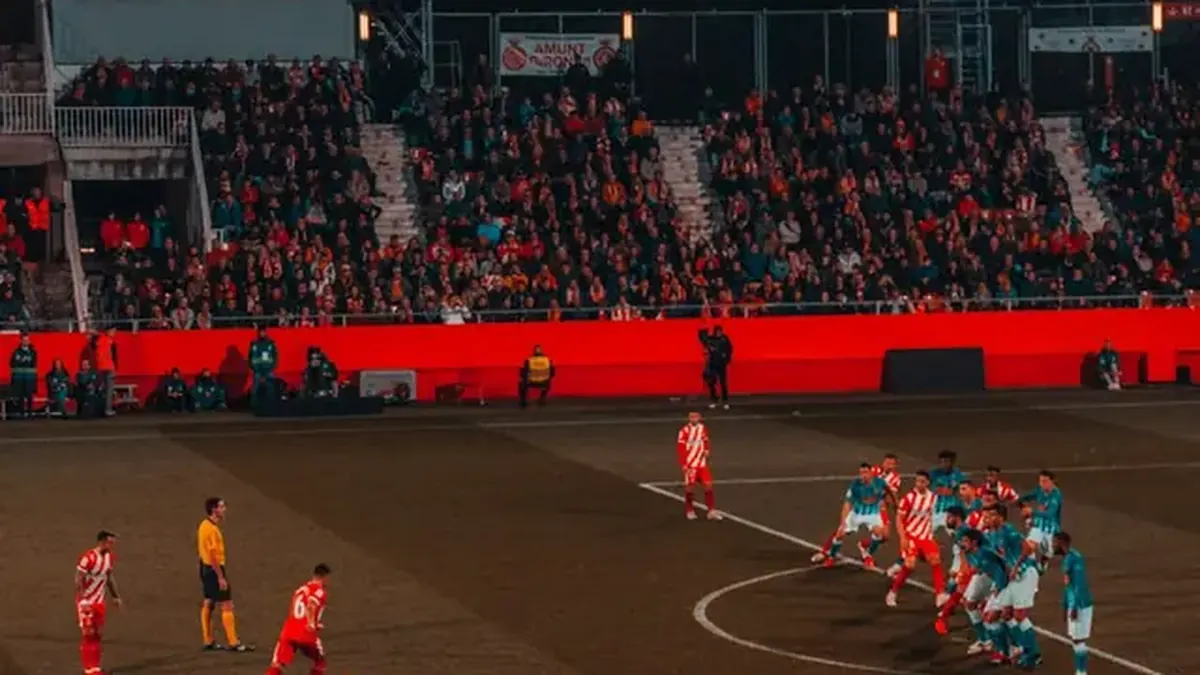
As Manchester United looks to strengthen its squad for the 2026-27 season, Ligue 1 has emerged as a fertile hunting ground for the Red Devils. The French top flight has historically produced some of Europe’s most exciting talents, and with the club’s system requiring specific profiles, several players from France’s top division are being monitored closely. Below is a glossary of key terms, targets, and concepts relevant to United’s summer 2026 transfer dealings in Ligue 1.

Glossary of Terms and Targets
Ligue 1
The top professional football league in France, officially known as Ligue 1 Uber Eats. It consists of 18 clubs and is widely regarded as one of Europe’s “Big Five” leagues. For Manchester United, it represents a key scouting region due to its mix of technical flair, athleticism, and relatively lower transfer fees compared to the Premier League.Summer Transfer Window 2026
The period from June to September 2026 when clubs can register new players. For Manchester United, this window is critical for addressing squad depth and targeting specific positions that need reinforcement—particularly in attack and midfield, areas where Ligue 1 has historically excelled.Tactical Requirements
Under the current manager, Manchester United typically employs a possession-based system with fluid attacking movements. The manager values players who can press aggressively, carry the ball through midfield, and offer versatility across the forward line. Ligue 1’s emphasis on technical development often produces players who fit these criteria.Scouting Network
Manchester United’s global scouting operation, which includes dedicated observers in France. The club has relationships with several Ligue 1 clubs, facilitating smoother negotiations. In 2026, the network is particularly focused on players aged 20-25 who can contribute immediately while also offering resale value.Profile: The Dynamic Winger
A recurring target for United from Ligue 1 is the wide attacker who can play on either flank, cut inside, and create chances. This profile often emerges from clubs like Lille, Lyon, or Monaco, where young wingers are given regular first-team minutes. The ideal candidate has pace, dribbling ability, and a willingness to track back.Profile: The Box-to-Box Midfielder
The system requires midfielders who can transition quickly from defense to attack. Ligue 1 produces many such players—athletic, technically sound, and capable of covering large distances. These players often develop at clubs like Marseille or Rennes before moving to bigger leagues.Profile: The Ball-Playing Centre-Back
United’s defensive rebuild in 2026 emphasizes defenders who are comfortable building from the back. Ligue 1 has a strong tradition of producing centre-backs who are strong in duels and composed in possession, often coming through at clubs like Paris Saint-Germain or Lens.Young Talents from Ligue 1
The French league is renowned for its youth academies, which consistently produce top-tier talents. For United, targeting players under 22 from Ligue 1 offers a balance of affordability and high ceiling. These players often require a season or two of adaptation but can become key contributors.Established Stars
Occasionally, United may target more experienced Ligue 1 players—those in their mid-to-late 20s who have proven themselves over multiple seasons. These transfers typically command higher fees but offer immediate impact, especially in positions where the club needs a reliable starter.Loan with Option to Buy
A common negotiation structure in Ligue 1-to-Premier League deals. United may agree to an initial loan for a player, with a set fee to make the move permanent at the end of the season. This reduces risk for the buying club while allowing the selling club to secure a future fee.Release Clause
A contractual provision that allows a player to leave for a predetermined fee. Many Ligue 1 players have release clauses, though they are often set high. United’s scouting team monitors these clauses closely, as they can provide a clear path to negotiation without prolonged bidding wars.Agent Influence
In Ligue 1 transfer dealings, agents play a significant role, particularly in facilitating moves to Premier League clubs. United’s recruitment team maintains relationships with key agents in France, which can expedite negotiations and provide early access to emerging talents.Financial Fair Play (FFP) Considerations
Manchester United’s transfer strategy in 2026 is shaped by FFP regulations. Ligue 1 targets are often more cost-effective than their Premier League counterparts, allowing the club to strengthen multiple positions without breaching spending limits.Club Relationships
United has historically done business with several Ligue 1 clubs, including Monaco, Lyon, and Lille. These relationships can lead to smoother negotiations, such as more flexible payment structures.The “French Connection”
A term used to describe the pipeline of French talent moving to Manchester United. Historically, players like Eric Cantona and Patrice Evra have excelled after moving from Ligue 1. In 2026, the club hopes to revive this tradition with a new generation of signings.Summer 2026 Transfer Priorities
For the upcoming window, United’s identified needs may include a right-sided attacker, a creative midfielder, and a left-back. Ligue 1 offers strong candidates for each position, with several players reportedly under observation by the club’s scouting department.Market Value Fluctuations
Transfer values in Ligue 1 can vary significantly based on a player’s contract length, age, and recent form. United’s analysts track these fluctuations to identify optimal buying windows, often targeting players whose value may have dipped temporarily due to injury or poor form.Integration Challenges
Players moving from Ligue 1 to the Premier League often face a period of adjustment, particularly regarding the physical intensity and pace of the English game. United’s coaching staff plans tailored integration programs for new signings, including strength conditioning and tactical briefings.The Role of Data Analytics
Manchester United’s recruitment team uses advanced analytics to evaluate Ligue 1 targets. Metrics such as progressive carries, expected assists, and defensive actions per 90 minutes help identify players whose statistical profiles align with the system.Competition from Other Premier League Clubs
United faces strong competition for top Ligue 1 talents from other Premier League sides, including Arsenal, Chelsea, and Liverpool. This competition can drive up prices, making early identification and swift negotiation crucial.What to Check Before Believing Transfer Rumors
- Official Club Statements: Only Manchester United’s official website or social media channels can confirm a transfer.
- Reputable Journalists: Follow journalists with proven track records for Ligue 1-to-Premier League transfers.
- Player Contract Length: Players with less than 12 months on their contract are more likely to move.
- Scouting Reports: Independent analysis from trusted football analysts can provide context beyond transfer fees.
- Financial Feasibility: Consider whether the rumored fee aligns with United’s reported budget and FFP constraints.
Reader Comments (0)