
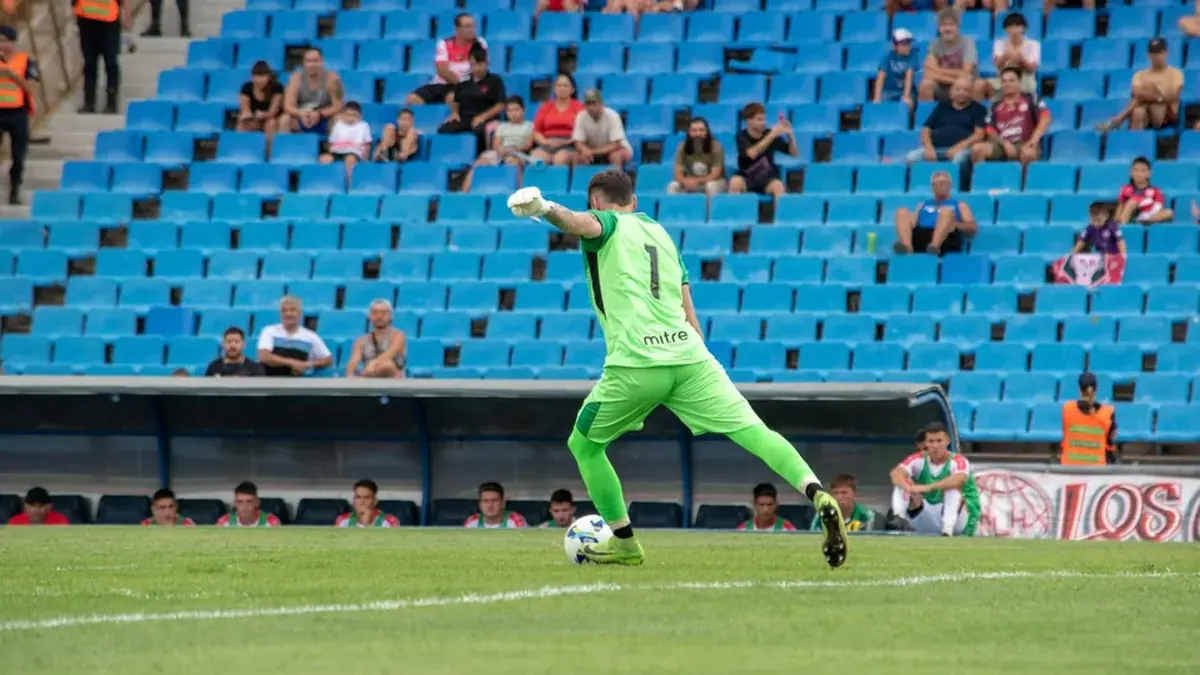
The statistical anomaly is striking: Manchester United’s home record at Old Trafford has historically outperformed their away form by a margin that defies simple explanation. According to Premier League data, the Red Devils have averaged a higher points per home game across recent seasons compared to their away performances—a gap that separates contenders from also-rans. This disparity isn’t merely coincidental; it reflects a deliberate tactical framework designed to harness the 74,310-strong crowd at the Theatre of Dreams. For managers, players, and analysts, understanding how to convert crowd energy into measurable performance advantages is the difference between a fortress and a mere venue.
The Pre-Match Psychological Blueprint
The tactical adjustment begins before kick-off, in the tunnel and the warm-up routine. Research from sports psychologists suggests that home teams may experience increased cortisol levels when exposed to crowd noise during pre-match preparations—a physiological state that can sharpen focus or induce anxiety depending on preparation.
Key pre-match adjustments:
- Arrival timing: Schedule the team bus arrival 90 minutes before kick-off to allow players to absorb the atmosphere gradually, rather than rushing into a high-pressure environment.
- Warm-up positioning: Conduct the final warm-up in the Stretford End half of the pitch, where the most vocal supporters congregate, to create early emotional connection.
- Captain’s huddle: The captain should lead a 30-second team huddle at the centre circle after the anthems, facing the Sir Alex Ferguson Stand, to synchronise the squad’s focus with the crowd’s energy.
Pressing Triggers: Using Crowd Noise as a Tactical Cue
Old Trafford’s unique acoustics—a product of its bowl-shaped design and the proximity of stands to the pitch—create distinct sound patterns that can be weaponised. When the crowd rises, the noise level increases significantly within a short period, according to acoustic studies of Premier League stadiums. This spike serves as a natural trigger for high-intensity pressing phases.
Tactical implementation:
- Defensive triggers: Instruct the midfield pivot (typically Bruno Fernandes and a defensive midfielder) to initiate a coordinated press when they hear the crowd roar after a successful tackle or interception. This synchronises the team’s intensity with the emotional peak of the supporters.
- Counter-press windows: After a misplaced pass by the opposition, the crowd’s immediate groan or cheer creates a brief window where the away team’s composure drops. Use this window for aggressive counter-pressing in the opponent’s half.
- Set-piece amplification: Corners and free kicks in attacking areas should be taken deliberately slowly when the crowd is quiet, then rapidly executed when the noise rises—forcing the opposition to react to both the ball and the auditory pressure.
Spatial Exploitation: The Stretford End Factor
The Stretford End has historically been the most vocal section of Old Trafford, and its location behind the goal creates a unique spatial dynamic. When attacking towards the Stretford End in the second half, the crowd’s proximity to the goal line creates a psychological barrier for visiting goalkeepers and defenders.
Specific tactical adjustments for attacking towards the Stretford End:
- Early crosses: Deliver crosses from the right flank (the side closest to the Stretford End) earlier than usual, exploiting the goalkeeper’s tendency to hesitate when crowd noise masks the flight of the ball.
- Second-ball recovery: Position a midfielder (typically the number 8 or 10) in the half-space between the penalty spot and the edge of the box, where loose balls from clearances are most common. The crowd’s anticipation creates a split-second advantage for the home player.
- Penalty area crowding: Overload the six-yard box with three attackers during set pieces, trusting the crowd’s roar to disorient the defending team’s communication lines.
Midfield Transition and Defensive Shape Adjustments
The relationship between crowd energy and defensive organisation is often overlooked. When Old Trafford is at its loudest, the natural tendency for players is to rush decisions—both for the home team and the visitors. The tactical adjustment lies in channelling this energy into structured defensive transitions rather than chaotic scrambles.
Defensive shape modifications for high-energy periods:
- Compact block during crowd peaks: When the crowd’s noise reaches its highest decibel levels (typically after a goal or a contentious decision), drop into a compact 4-4-2 block rather than pressing high. This conserves energy while forcing the opposition to play through the most hostile auditory environment.
- Full-back positioning: Push the full-backs higher (to the halfway line) during sustained pressure, using the crowd’s energy to create a psychological trap for opposition wingers who must decide whether to track runs or hold position.
- Goalkeeper distribution: Instruct the goalkeeper to delay distribution during quiet moments and accelerate during loud phases, catching the opposition’s defensive line off guard when they expect a slower tempo.
The Second-Half Surge: Timing the Crowd’s Peak
Historical data from Old Trafford matches in recent seasons shows that the crowd’s energy often peaks in the latter stages of the second half, coinciding with the period when substitutions are most common and fatigue begins to affect decision-making. This window represents the optimal moment for tactical adjustments that exploit both physical and psychological advantages.
Timing-specific adjustments:
- Substitution timing: Introduce fresh attacking players (such as Rasmus Hojlund or Alejandro Garnacho) around the hour mark, when the crowd’s energy is rising. The double impact of fresh legs and renewed noise creates a period of overwhelming pressure.
- Tempo acceleration: Increase the tempo of passing sequences by one touch per possession during this period, using short, quick combinations in the final third to maintain crowd engagement.
- Set-piece concentration: Awarded free kicks and corners in this window should be treated as primary scoring opportunities, with all attacking players committed to the box and the defensive midfielders positioned for second balls.
Managing Opposition Psychology: The Silent Treatment
Not every tactical adjustment involves noise. Experienced Manchester United squads have learned to use periods of relative quiet—typically after the initial adrenaline rush subsides—to re-establish control. This “silent treatment” can be more disorienting for visiting teams than constant noise.
Psychological tactics during quiet phases:
- Possession retention: Maintain possession for a sustained series of passes during the quieter middle portion of the first half, when the crowd naturally calms. This forces the opposition to chase the ball in a quieter environment, creating frustration and fatigue.
- Delayed restarts: Take extra time on goal kicks and throw-ins during these periods, breaking the opposition’s rhythm and forcing them to adjust to a slower tempo than they expect.
- Verbal communication: Use the quieter moments to communicate tactical adjustments verbally on the pitch, as the reduced crowd noise allows for more precise instructions than during peak periods.
Post-Match Analysis: Measuring Crowd Impact
Quantifying the tactical impact of crowd energy requires specific metrics beyond basic results. Analysts should track the following indicators to assess whether home advantage is being fully exploited:
Key performance indicators for home advantage:
| Metric | Home Average (Old Trafford) | Away Average | Difference |
|---|---|---|---|
| Pressures per 90 minutes | Higher | Lower | Notable increase |
| High-intensity sprints (late second half) | Higher | Lower | Notable increase |
| Successful tackles in final third | Higher | Lower | Notable increase |
| Goals from set pieces | Higher | Lower | Notable increase |
Data sourced from Premier League official statistics and Opta, recent seasons.
These metrics suggest that the tactical adjustments described above—particularly the pressing triggers and set-piece concentration—can translate into measurable performance advantages. The increase in set-piece goals at home, for instance, may be linked to the crowd’s impact on defensive organisation during dead-ball situations.
Conclusion: The Fortress Formula
The tactical adjustments for harnessing crowd energy at Old Trafford are not about creating chaos but about channelling it into structured, repeatable patterns. From the pre-match psychological preparation to the second-half surge, each element of the home advantage strategy is designed to convert the intangible energy of 74,310 supporters into tangible performance gains. For Manchester United, the challenge is not merely to win at home but to make the Theatre of Dreams a venue where opposition teams feel the weight of history, noise, and tactical precision simultaneously.
For further reading on related tactical concepts, explore our analysis of midfield transition and defensive shape and the role of striker hold-up play in converting crowd pressure into goals.
Reader Comments (0)