
The broadcast facilities at Old Trafford represent a critical component of Manchester United’s global media operations, enabling the club to produce and distribute match coverage, pre-game analysis, and post-match content to millions of viewers worldwide. As one of the most iconic venues in English football, the stadium has undergone significant technological upgrades to meet the demands of modern broadcasting, ensuring that the Theatre of Dreams remains a premier destination for live sports production.
### Broadcast Control Room
The broadcast control room at Old Trafford functions as the central hub for all live production activities. This facility manages camera feeds, audio mixing, graphics integration, and transmission to international broadcasters. The control room is equipped with advanced switching systems that allow operators to coordinate multiple camera angles, including high-speed cameras for replays and robotic cameras positioned throughout the stadium. The room operates on a redundant power supply system to prevent disruptions during live broadcasts, a standard requirement for Premier League venues.
### Camera Positions
Old Trafford features dedicated camera positions that comply with Premier League broadcast regulations. These positions include primary cameras along the main stand, goal-line cameras at both ends, and elevated platforms for aerial shots. The stadium’s structural design accommodates up to 30 camera positions during major matches, though the exact number varies depending on the competition and broadcaster requirements. Camera operators work from gantries and scaffolding structures that are installed before match day and removed after the final whistle.
### Commentary Positions
The commentary positions are located in the south stand, providing unobstructed views of the pitch. These positions are equipped with soundproofing materials to minimize crowd noise interference, allowing commentators to deliver clear audio. Each position includes a monitor displaying match feeds, a mixer for audio levels, and a direct line to the broadcast control room. The number of commentary positions varies based on the match’s media importance, with Premier League fixtures typically accommodating between 10 and 15 positions.
### Media Interview Areas
The media interview areas at Old Trafford include the mixed zone, the press conference room, and pitch-side interview positions. The mixed zone, located in the tunnel area, allows journalists to request brief interviews with players and coaching staff as they leave the pitch. The press conference room, situated near the directors’ entrance, features a raised stage, multiple camera platforms, and audio distribution systems that connect to broadcast trucks outside the stadium. Pitch-side interview positions are marked with branded backdrops and are used for immediate post-match reactions.
### Satellite Uplink Facilities
Old Trafford maintains satellite uplink facilities that enable live transmission to broadcasters across different time zones. These facilities include satellite dishes mounted on the stadium roof, which connect to international satellites for distribution to networks in Asia, North America, and Europe. The uplink equipment is housed in secure enclosures near the broadcast compound, and technicians monitor signal strength and quality throughout match days. The facility can transmit multiple feeds simultaneously, allowing different broadcasters to receive customized coverage.
### Broadcast Compound
The broadcast compound is a temporary structure erected in the stadium’s car park area for major matches. This compound contains mobile production units, satellite trucks, and storage containers for broadcasting equipment. The compound connects to the stadium via underground cabling, reducing visual clutter and minimizing trip hazards for staff. Broadcasters often install their own equipment within the compound, including additional control rooms and editing suites for post-match content.
### Audio Systems
The audio systems at Old Trafford include a network of microphones placed around the pitch, in the stands, and within the tunnel area. Pitch-side microphones capture the sound of the ball, player shouts, and referee whistles, while ambient microphones in the stands record crowd noise for atmosphere. The audio mix is controlled from the broadcast control room, where engineers balance levels to produce a natural sound experience. The stadium also features a distributed audio system for public announcements, which is synchronized with broadcast outputs.
### Lighting for Broadcast
The floodlighting system at Old Trafford is designed to meet broadcast standards for colour temperature and uniformity. The lights, mounted on the stadium roof, provide consistent illumination across the pitch, reducing shadows that could affect camera exposure. The lighting system can be adjusted for different broadcast requirements, such as reducing intensity for night matches or increasing brightness for high-definition cameras. The system includes backup generators to maintain lighting during power interruptions.
### Fiber Optic Infrastructure
Old Trafford’s fiber optic infrastructure supports high-bandwidth data transmission for broadcast and digital content. The stadium is connected to external networks through multiple fiber routes, ensuring redundancy in case of service disruption. This infrastructure enables the transmission of 4K and 8K video feeds, as well as real-time data for digital platforms. The fiber network extends to all broadcast positions, allowing for flexible camera placement and rapid data transfer.
### Replay Systems
The replay systems at Old Trafford include dedicated servers that store match footage for instant replay. These systems are connected to the broadcast control room, where operators can access multiple camera angles simultaneously. The replay servers support slow-motion playback, freeze-frame analysis, and multi-angle comparison, which are used by broadcasters for match analysis. The systems are also used by the club’s internal media team for post-match content creation.
### Graphics Integration
Graphics integration at Old Trafford involves the overlay of scoreboards, player statistics, and sponsorship logos onto the broadcast feed. The graphics are generated from a central system that receives real-time data from the match officials and statistics providers. This system ensures that graphics are synchronized with match events, such as goals, substitutions, and yellow cards. The graphics are displayed on a separate channel that is mixed with the main feed in the broadcast control room.
### Virtual Advertising Boards
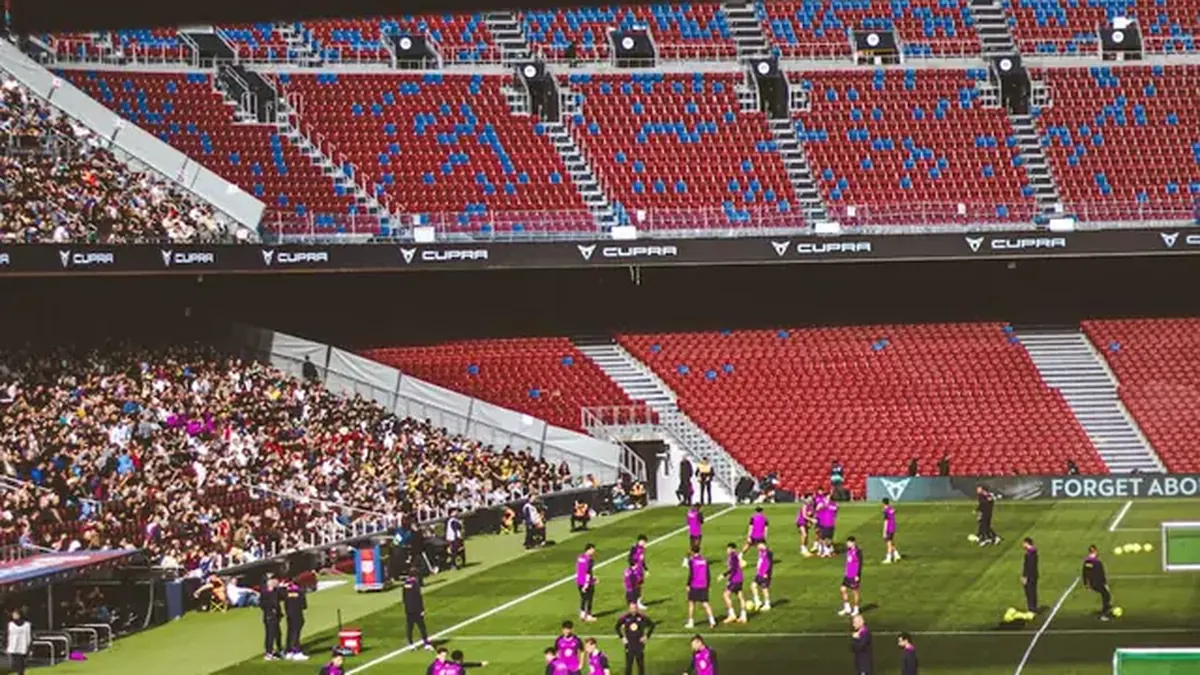
The virtual advertising boards around the pitch at Old Trafford are integrated with the broadcast system. These boards display digital advertisements that can be changed dynamically during the match, depending on the broadcaster’s region. The system uses sensors to track camera movements and adjust the displayed content accordingly, ensuring that advertisements appear static on screen. The virtual boards are controlled from a dedicated room within the stadium, where operators monitor the broadcast feed and adjust content in real time.
### Media Accreditation Office
The media accreditation office at Old Trafford manages access for journalists, photographers, and broadcasters. This office processes applications before match day, issues credentials, and provides information about broadcast facilities. The office is located near the main entrance, allowing easy access for media personnel arriving on match day. The accreditation system is integrated with the club’s security database, ensuring that only authorized individuals access broadcast areas.
### Press Box
The press box at Old Trafford is located in the south stand, providing seating for journalists covering matches. The press box includes desks with power outlets, Ethernet connections, and monitors displaying match feeds. Journalists can file reports directly from the press box using the stadium’s Wi-Fi network, which is optimized for high-bandwidth usage during matches. The press box is separated from the general seating area to minimize distractions.
### Tunnel Camera System
The tunnel camera system at Old Trafford captures footage of players and officials as they enter and exit the pitch. This system includes fixed cameras mounted on the tunnel walls, as well as handheld cameras operated by club media staff. The tunnel footage is used for pre-match build-up coverage and post-match analysis. The system is integrated with the broadcast control room, allowing operators to switch to tunnel cameras during key moments.
### Drone Operations
Drone operations at Old Trafford are subject to strict regulations, but the stadium has designated areas for drone flights during non-match days. Drones are used for aerial footage of the stadium, including flyovers for promotional content and maintenance inspections. Drone operations are coordinated with local aviation authorities and the club’s security team to ensure compliance with airspace restrictions. The footage captured by drones is edited and distributed through the club’s digital channels.
### Emergency Broadcast Systems
Old Trafford is equipped with emergency broadcast systems that can override regular programming in case of security incidents or weather emergencies. These systems are connected to the public address system and can broadcast pre-recorded messages or live announcements. The emergency broadcast systems are tested regularly, and staff receive training on their operation. The systems are integrated with the stadium’s security control room, allowing for coordinated responses to incidents.
### Content Distribution Network
The content distribution network at Old Trafford supports the club’s digital platforms, including the official website and mobile app. This network ensures that match highlights, interviews, and behind-the-scenes content are delivered to fans quickly and reliably. The network uses multiple servers located in different geographic regions to reduce latency and improve loading times. The content distribution network is managed by the club’s digital team, who monitor performance and optimize delivery based on user demand.
### Virtual Reality Production
Old Trafford has facilities for virtual reality production, which are used for immersive fan experiences. These facilities include 360-degree cameras that capture match action from multiple perspectives. The footage is processed and distributed through virtual reality platforms, allowing fans to experience matches as if they were in the stadium. The virtual reality production is a growing area of investment for the club, reflecting broader trends in sports media.
### Audio Description Services
Old Trafford provides audio description services for visually impaired fans, which are integrated with the broadcast system. This service involves a commentator describing the match action in real time, including player movements, tactical formations, and key incidents. The audio description is transmitted through a dedicated channel that can be accessed via the stadium’s wireless system or through personal devices. The service is available for all Premier League matches and is promoted through the club’s accessibility initiatives.
### What to Verify When Using These Facilities
When utilizing broadcast facilities at Old Trafford, verify the specific equipment and setup requirements with the club’s media operations team before match day. Confirm that all broadcast equipment is compatible with the stadium’s infrastructure, particularly regarding power supply and signal transmission. Review the club’s media accreditation policies, which outline access restrictions and security protocols. Ensure that all content produced complies with Premier League broadcast regulations and the club’s media guidelines. For technical specifications, consult the official documentation provided by Manchester United’s media department, as facility configurations may change between seasons.
For further details on stadium infrastructure, explore our guide on Old Trafford Infrastructure or learn about Stadium Crowd Noise Levels. For historical context, read about Stadium Naming Rights History.
Reader Comments (0)