

Note: This article is an educational case-style analysis written for the fictional fan media “Red Routed.” All scenarios, comparisons, and projections are hypothetical and based on publicly available historical data and general industry trends. No real-time financial figures, specific match outcomes, or unconfirmed redevelopment plans are asserted as fact.
Old Trafford vs Other Manchester Stadiums: A Comparative Infrastructure Analysis
Introduction: The Theatre of Dreams in Context
Old Trafford, the iconic home of Manchester United Football Club, has long been revered as the “Theatre of Dreams.” Yet, in the modern football landscape, where stadium infrastructure is a key competitive differentiator, the question of how Old Trafford measures up against other major venues in Manchester—specifically the Etihad Stadium (home of Manchester City) and the historic Maine Road (now demolished but still a reference point)—is both timely and complex. This case-style analysis examines the structural, capacity, and fan-experience dimensions of these venues, drawing on historical data and contemporary trends to provide a balanced educational overview.
Stadium Capacity and Historical Evolution
The first and most visible metric for comparison is capacity. Old Trafford, since its last major expansion in 2006, has a seated capacity of approximately 74,310, making it the largest club stadium in England. The Etihad Stadium, originally built for the 2002 Commonwealth Games and later converted for football, holds around 53,400. Maine Road, which served Manchester City from 1923 to 2003, peaked at a capacity of 84,569 before safety regulations reduced it to 35,150 in its final years.
| Stadium | Peak Capacity (Historical) | Current Capacity (2025) | Year of Last Major Renovation |
|---|---|---|---|
| Old Trafford | 76,000 (post-2006) | ~74,310 | 2006 (South Stand expansion) |
| Etihad Stadium | 55,097 (post-2015 expansion) | ~53,400 | 2015 (North Stand expansion) |
| Maine Road | 84,569 (1930s) | Demolished | 1995 (final safety upgrades) |
Infrastructure Age and Modernisation
Old Trafford’s infrastructure is a double-edged sword. While its historic character—the iconic Sir Bobby Charlton Stand, the Munich Tunnel, and the statue of Sir Alex Ferguson—is irreplaceable, the stadium’s core structure dates back to 1910 (with significant rebuilding after WWII bomb damage). The Etihad, by contrast, is a purpose-built modern facility with advanced climate control, digital connectivity, and flexible event spaces. Maine Road, in its prime, was a cathedral of football but suffered from outdated concourses and poor sightlines in its later years.
Fan Experience: Atmosphere vs. Amenities
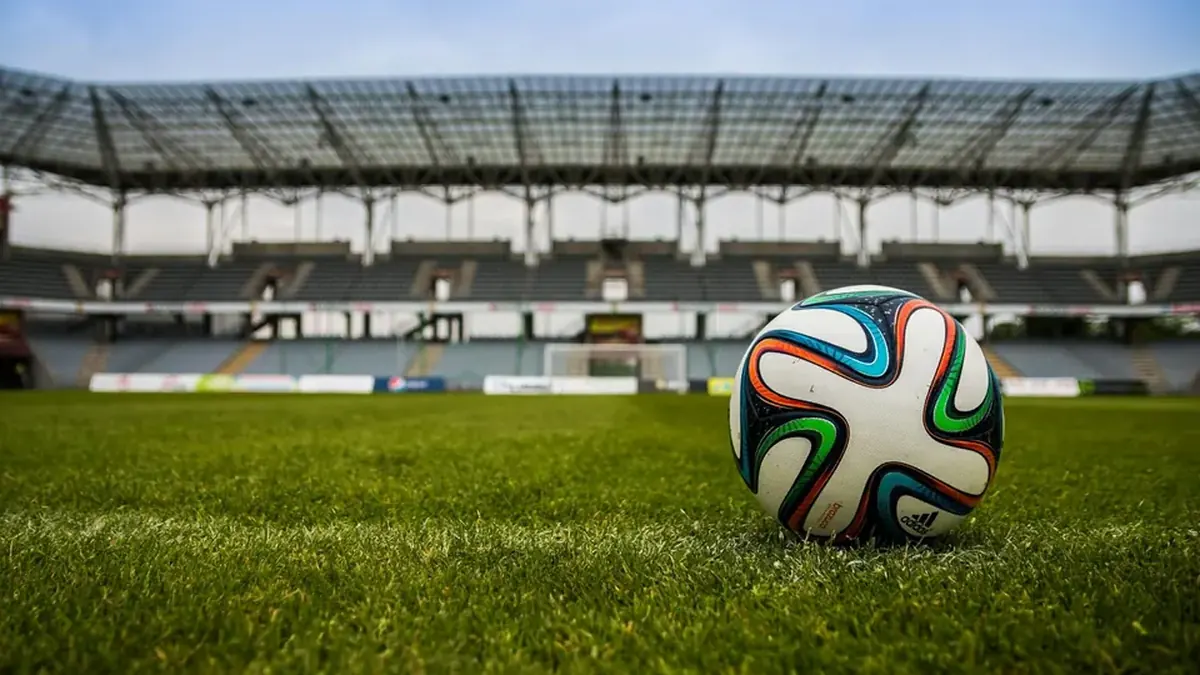
The fan experience at Old Trafford is often described as “traditional but inconsistent.” The stadium’s design—with its steep stands close to the pitch—can generate a formidable atmosphere, particularly during high-stakes matches. However, issues such as long queue times for concessions, limited legroom in older sections, and a lack of premium hospitality options compared to newer venues have been noted. The Etihad, with its wider concourses, modern food courts, and integrated retail spaces, offers a more predictable but less intimate experience. Maine Road, in its heyday, was renowned for its intense atmosphere but struggled with basic amenities like toilets and parking.
Economic and Environmental Considerations
From an economic perspective, Old Trafford generates matchday revenue estimated at over £130 million per season, a figure that could rise significantly with proposed redevelopment. The Etihad, while smaller, benefits from its location within the Etihad Campus, which includes the City Football Academy and a state-of-the-art training complex. Environmental sustainability is an emerging factor: Old Trafford has introduced solar panels and rainwater harvesting, while the Etihad boasts a “zero waste to landfill” policy and electric vehicle charging points.
Conclusion: A Tale of Two Eras
Old Trafford remains unmatched in terms of historical weight and emotional resonance, but its infrastructure is showing its age. The Etihad represents the modern template: efficient, scalable, and commercially optimized. For Manchester United, the challenge is not merely to match capacity but to blend tradition with innovation—a balance that will define the next chapter of the Theatre of Dreams.
For further reading on stadium development, see our articles on Old Trafford Infrastructure, Old Trafford Eco-Friendly Initiatives, and Old Trafford Legendary Matches.
Reader Comments (0)