
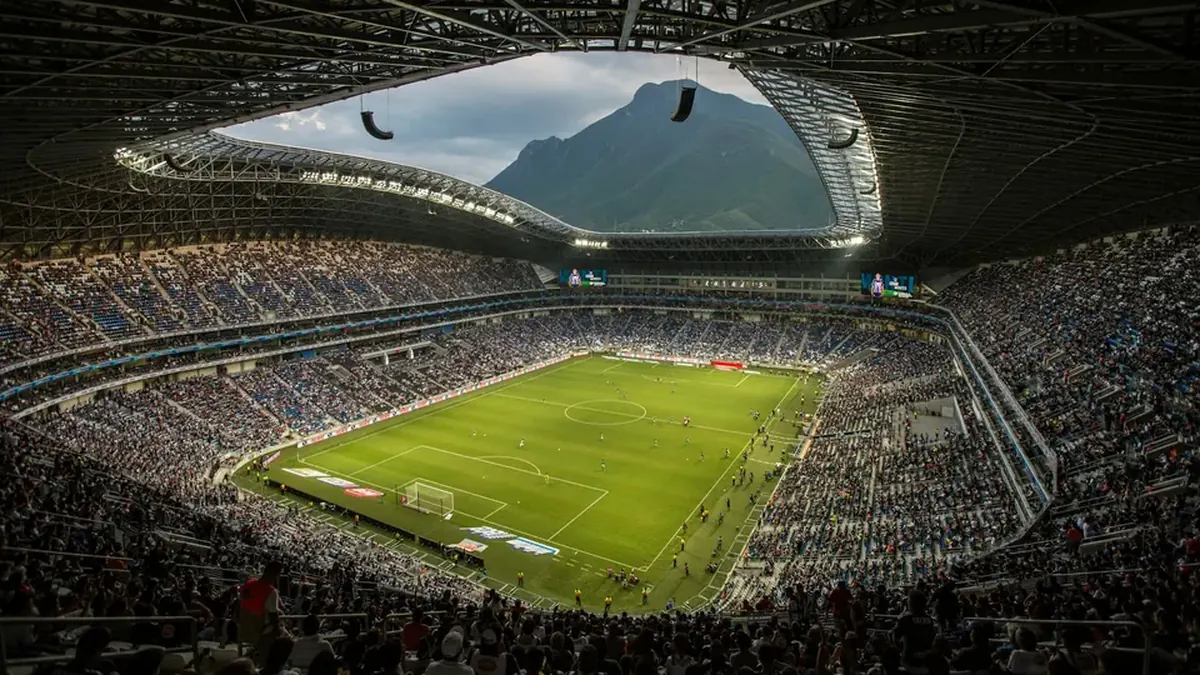
When Manchester United step onto the pitch at St. James' Park, they face an opponent that has redefined the modern Premier League paradox: a team that blends technical quality with a brand of physical intimidation that borders on the archaic. Newcastle United under Eddie Howe have become a statistical outlier—a side that ranks among the league's best for both possession-adjusted metrics and raw, bruising confrontational play. For Michael Carrick's tactical setup, this presents a unique challenge that goes beyond mere formation adjustments.
The Physicality Profile: More Than Just Aggression
Newcastle's approach to physicality is not haphazard; it is a meticulously engineered system. The Magpies consistently rank near the top of the Premier League for aerial duels won, successful tackles, and fouls committed per 90 minutes. But the numbers only tell part of the story. What makes Newcastle dangerous is the timing of their physical interventions—they disrupt rhythm, break counter-attacks before they develop, and force opponents into uncomfortable areas of the pitch.
The central axis of this physical dominance lies in the midfield and forward lines. Bruno Guimarães, despite his technical reputation, is a master of the dark arts: tactical fouls, body positioning, and relentless pressing that leaves creative players with no time on the ball. Alongside him, Joelinton has been repurposed from a misfiring forward into a box-to-box destroyer whose sheer presence forces midfielders to rush their decisions.
For Manchester United's midfield—likely anchored by Bruno Fernandes and a pivot partner—the challenge is not just about matching intensity but about maintaining composure under sustained physical pressure. Newcastle will target United's ball-carriers early, testing whether Carrick's side can progress the ball through the thirds without losing possession in dangerous areas.
Set-Piece Threats: The Statistical Reality
Newcastle's set-piece efficiency under Howe is no accident. They employ dedicated coaches and have developed a repertoire of routines that exploit defensive disorganization. The data is unequivocal: Newcastle score a disproportionate number of their goals from dead-ball situations, and they create high-quality chances from corners and free-kicks with alarming consistency.
The key threats are multi-layered:
| Threat Type | Primary Target | Typical Delivery Zone | Defensive Vulnerability |
|---|---|---|---|
| Near-post flick-ons | Dan Burn, Fabian Schär | 6-yard box, near post | Zonal marking gaps |
| Far-post overloads | Sven Botman, Joelinton | 12-yard area, far post | Mismatches in man-marking |
| Short corners with delayed cross | Trippier (delivery) | Edge of box to penalty spot | Ball-watching on second ball |
| Free-kick delivery (direct/indirect) | Burn, Botman | Central areas, 8-12 yards | Poor defensive organization on restarts |
What makes Newcastle's set-piece threat particularly dangerous for Manchester United is the historical weakness of the Red Devils' defense in these scenarios. United have conceded a significant number of goals from set-pieces in recent seasons, often due to poor zonal marking, failure to clear the first ball, or losing individual duels in the air.
Tactical Adjustments for Carrick
Michael Carrick's tactical philosophy emphasizes controlled possession, intelligent pressing triggers, and positional discipline. Against Newcastle, these principles will be tested in ways they rarely are against more technical opponents.
The key tactical battle will be in the transition moments. Newcastle are comfortable ceding possession in certain areas, inviting pressure before springing counter-attacks through the pace of Alexander Isak and Anthony Gordon. For United, this means that how they lose the ball is as important as how they keep it. Losing possession in wide areas, particularly against Newcastle's full-backs who overlap aggressively, could expose United's defensive structure to rapid transitions.
Carrick may opt for a more conservative approach in midfield, deploying an additional defensive-minded player to shield the backline and provide aerial cover. The pressing triggers that work against possession-based sides—forcing play into narrow corridors—may be less effective against a Newcastle team that is comfortable playing direct balls into the channels.

The Aerial Battle: A Numbers Game
Newcastle's aerial dominance is not limited to set-pieces. In open play, they target crosses into the box with a frequency that tests even the most organized defenses. The combination of Dan Burn's height (6'7"), Sven Botman's physicality, and the movement of Isak creates mismatches that are difficult to neutralize.
Manchester United's center-backs will need to be at their most aggressive in dealing with these aerial threats. This is not a game for passive defending or waiting for the ball to arrive. United's defenders must attack the ball at its highest point, clear their lines decisively, and avoid the hesitation that leads to second-phase chances.
Risk Management: Avoiding the Perfect Storm
The greatest risk for Manchester United in this fixture is not a single tactical error but a cascade of related problems. If United fail to cope with Newcastle's physicality in midfield, they will struggle to maintain possession. If they cannot maintain possession, they will invite more pressure. If they invite more pressure, they will concede set-pieces. And if they concede set-pieces, the statistical likelihood of conceding a goal increases dramatically.
This chain of events is precisely what Newcastle's system is designed to create. They do not need to dominate possession or create dozens of chances; they need to force the game into a chaotic, confrontational rhythm where their physical advantages become decisive.
The Psychological Dimension
Beyond the tactical and physical elements, there is a psychological battle at play. St. James' Park has become one of the most intimidating venues in English football, with a crowd that feeds off the team's aggressive approach. Newcastle's players are emboldened by this atmosphere, and opponents often find themselves reacting rather than dictating.
For Manchester United's younger players—those who may not have experienced the full force of a Newcastle side in full flow—the challenge is as much about mental resilience as technical execution. Carrick's experience as a player in high-pressure environments will be invaluable in preparing the squad for what awaits.
Conclusion: A Test of Character and Tactical Discipline
This fixture is not a referendum on Manchester United's technical quality; it is a test of their ability to adapt to a specific, uncomfortable style of play. Newcastle's physicality and set-piece threats are not weaknesses to be exploited but obstacles to be navigated. United must match the intensity, win the individual battles, and maintain the tactical discipline that allows them to control the game on their terms.
The team that emerges victorious will likely be the one that better manages the chaotic moments—the second ball from a corner, the tactical foul that stops a counter, the aerial duel that clears the danger. For Manchester United, this is an opportunity to prove that their tactical evolution under Carrick is not limited to possession-based football but includes the resilience and adaptability required to succeed in the Premier League's most physically demanding environments.
For more tactical analysis and match previews, explore our tactics and match analysis hub, understand Carrick's tactical system, and learn about pressing triggers that could be deployed against Newcastle's physical approach.
Reader Comments (0)