
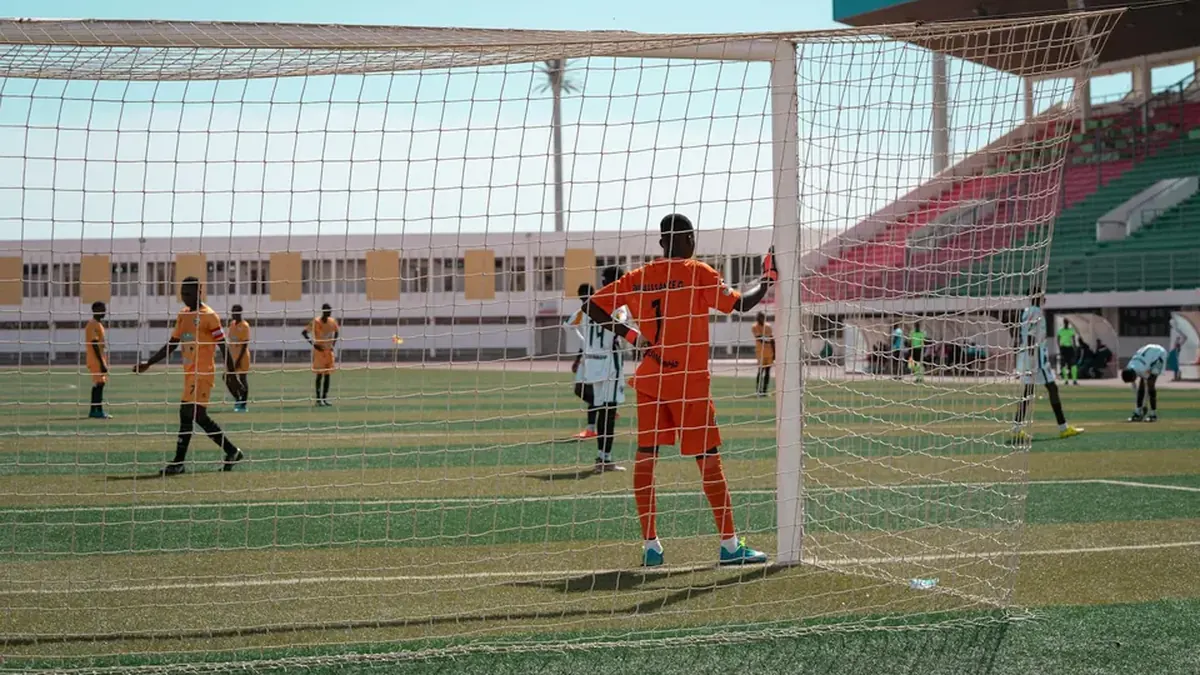
The development of reserve and youth teams at Manchester United Football Club represents one of the most enduring and strategically significant pillars of the institution's identity. From the earliest days of Newton Heath in the late nineteenth century through to the modern era of elite academy production, the club's commitment to nurturing young talent has been both a philosophical cornerstone and a competitive advantage. This article traces the evolution of Manchester United's reserve and youth infrastructure, examining how it has shaped the club's history, responded to changing football landscapes, and produced generations of players who have defined the club's identity.
The Foundations: Early Beginnings and the Manchester United Reserve Team
The origins of Manchester United's reserve structure can be traced to the club's formation as Newton Heath Lancashire and Yorkshire Railway Football Club in 1878. Even in those formative years, the concept of a second team existed, primarily to provide competitive matches for players not selected for the first eleven and to develop younger prospects within the club's orbit. The reserve side operated within local and regional leagues, often competing against other club reserve teams and works sides, providing a crucial bridge between amateur participation and professional football.
As the club evolved into Manchester United in 1902 and moved to Old Trafford in 1910, the reserve team became more formally organised. The Central League, established in 1911, provided a structured competition for reserve sides of Football League clubs, and Manchester United's reserves became regular participants. This period established a pattern that would persist for over a century: the reserve team serving as both a rehabilitation ground for first-team players returning from injury and a proving ground for young professionals aspiring to senior football.
The interwar years saw the reserve team develop a distinct identity, with several players graduating to become first-team regulars. The system was, however, relatively informal by modern standards, relying heavily on local scouting networks and the judgement of club officials rather than the structured academy models that would emerge later. Nevertheless, the foundations were laid for what would become one of football's most celebrated youth development systems.
The Busby Babes: A Philosophy Forged in Tragedy and Triumph
No discussion of Manchester United's youth development history can omit the transformative impact of Sir Matt Busby's appointment as manager in 1945. Busby, a former Manchester City and Liverpool player, brought with him a revolutionary vision: that a club could build sustained success by investing in young players rather than relying solely on expensive transfers. This philosophy, radical for its time, would define Manchester United for generations.
Busby, alongside his chief scout Joe Armstrong and assistant manager Jimmy Murphy, implemented a systematic approach to youth recruitment and development. The club established an extensive scouting network across the British Isles, identifying talented schoolboys and bringing them into a structured training programme at Old Trafford. The reserve team became the final stage of this development pathway, where young players would gain experience against seasoned professionals before being introduced to the first team.
The results of this approach were spectacular. By the mid-1950s, Busby had assembled a team of extraordinary young talents, including Duncan Edwards, Bobby Charlton, and Tommy Taylor, who became known as the Busby Babes. These players, many of whom had progressed through the youth and reserve ranks, won the First Division title in 1956 and 1957, with an average age that was remarkably low by the standards of the era. The reserve team during this period was not merely a developmental side but a competitive force in its own right, winning the Central League title multiple times and providing a constant stream of talent to the first team.
The Munich air disaster of February 6, 1958, which claimed the lives of eight players and three club officials, represented the most tragic moment in the club's history. The Busby Babes project was devastated, with Edwards among those killed and Charlton seriously injured. Yet the philosophy survived. Busby rebuilt, and within a decade, another generation of homegrown talent, including Charlton, George Best, and Nobby Stiles, had emerged to win the European Cup in 1968. The reserve and youth system had demonstrated its resilience, proving that the model could withstand even the most catastrophic losses.
The Academy Era: Formalisation and the Class of '92
The 1990s represented a golden age for Manchester United's youth development, culminating in the emergence of the Class of '92. The period was characterised by the formalisation of the club's academy structure under the guidance of Sir Alex Ferguson, who had taken over as manager in 1986. Ferguson, like Busby before him, understood that a strong youth system was essential for long-term success, particularly given the financial constraints of the era and the need to compete with wealthier clubs.
The academy during this period was overseen by a dedicated staff, including youth coaches such as Eric Harrison, who played a crucial role in developing the technical and tactical skills of young players. The reserve team, competing in the Premier Reserve League North, served as the final developmental stage before first-team integration. Players such as David Beckham, Paul Scholes, Nicky Butt, Ryan Giggs, and Gary Neville all progressed through this pathway, making their first-team debuts in the early to mid-1990s.
The Class of '92 achieved remarkable success, winning the FA Youth Cup in 1992 and subsequently forming the core of the first team that won the Premier League and FA Cup Double in 1994, the Premier League and FA Cup Double in 1996, and the historic Treble of Premier League, FA Cup, and UEFA Champions League in 1999. The reserve team during this period also enjoyed considerable success, winning the Premier Reserve League North title in 1999 and 2000, demonstrating that the development pathway was producing not only individual talents but also cohesive teams.
The academy's success was not limited to the Class of '92. Throughout Ferguson's tenure, the youth system continued to produce first-team regulars, including Wes Brown, John O'Shea, Darren Fletcher, and later, players such as Jonny Evans and Danny Welbeck. The reserve team remained a vital component of this pipeline, providing competitive matches for young professionals and a bridge between academy football and the demands of the Premier League.
The Modern Development Structure: U21, U18, and the Academy Pathway
The early twenty-first century saw significant changes to the structure of youth and reserve football in England. The creation of the Premier League's Elite Player Performance Plan (EPPP) in 2011 fundamentally altered the landscape, introducing a new category system for academies and restructuring age-group competitions. Manchester United's academy was awarded Category One status, the highest possible, reflecting its facilities, staffing, and commitment to player development.
Under the EPPP framework, the reserve team was replaced by the Under-21 system, with Manchester United's U21 side competing in the Premier League 2. This change reflected a broader shift towards age-specific development, with the U21 team serving as the primary pathway for players aged between 18 and 21. The U18 team, competing in the U18 Premier League, became the final stage of academy football before players progressed to the U21 level.
The modern development structure at Manchester United is comprehensive and multi-layered. The academy encompasses age groups from Under-9 through to Under-18, with each level staffed by dedicated coaches who focus on technical, tactical, physical, and psychological development. The U18 team plays a competitive league schedule, supplemented by FA Youth Cup participation and international tournaments. The U21 team provides a bridge to senior football, with players often training alongside the first team and featuring in domestic cup competitions.
Recent graduates of the academy system include Marcus Rashford, who progressed through the age groups to make his first-team debut in 2016, and Scott McTominay, who followed a similar pathway. Other notable products of the modern era include Jesse Lingard, Paul Pogba (who initially left for Juventus before returning), and more recently, Alejandro Garnacho and Kobbie Mainoo. The U21 team has continued to develop talent, with players such as James Garner and Hannibal Mejbri progressing to senior football, either at Manchester United or elsewhere.

The Relationship Between Reserve/Youth Teams and First-Team Success
The connection between a club's youth development system and its first-team performance is complex and multifaceted. For Manchester United, the reserve and youth teams have historically served multiple functions: developing players for the first team, generating revenue through player sales, and maintaining the club's identity and connection to its community.
During the Ferguson era, the youth system provided a steady stream of homegrown talent that formed the backbone of the first team. The Class of '92, in particular, demonstrated that a club could achieve sustained success by investing in its academy, with six homegrown players featuring in the 1999 Champions League final. This model was not unique to Manchester United, but the club's commitment to youth development was exceptional both in scale and in results.
In the post-Ferguson period, the relationship between youth development and first-team success has become more complex. The financial realities of modern football, with top clubs able to spend significant sums on established talent, have reduced the reliance on academy graduates. Nevertheless, Manchester United has continued to invest in its youth infrastructure, with the academy producing players who have either become first-team regulars or generated significant transfer fees when sold to other clubs.
The U21 and U18 teams have also served as a testing ground for tactical approaches and playing styles. Managers have occasionally used reserve fixtures to experiment with formations and personnel, while youth coaches have developed playing philosophies that align with the first team's approach. This coherence across age groups has been a priority for the club, ensuring that players progressing through the system are familiar with the tactical demands of senior football.
Comparison of Youth Development Eras
The following table provides a comparative overview of the key eras in Manchester United's youth development history, highlighting structural differences and notable outcomes.
| Era | Development Structure | Key Competition | Notable Graduates | First-Team Impact |
|---|---|---|---|---|
| Pre-Busby (1878–1945) | Informal reserve team | Central League | Limited documented graduates | Minimal systematic impact |
| Busby Babes (1945–1969) | Structured scouting and training | Central League, FA Youth Cup | Duncan Edwards, Bobby Charlton, George Best | Multiple league titles, 1968 European Cup |
| Post-Busby (1969–1986) | Established academy | Central League, FA Youth Cup | Sammy McIlroy, Brian Greenhoff | Inconsistent first-team integration |
| Ferguson Era (1986–2013) | Formalised academy, U18/U21 system | Premier Reserve League, FA Youth Cup | Class of '92, Wes Brown, Darren Fletcher | 13 Premier League titles, 2 Champions League titles |
| Modern Era (2013–present) | Category One academy, EPPP framework | Premier League 2, U18 Premier League | Marcus Rashford, Scott McTominay, Alejandro Garnacho | Variable first-team impact |
The table illustrates how the development structure has evolved from an informal system to a highly organised, multi-layered academy. The most successful periods in terms of first-team impact correspond with eras of strong managerial commitment to youth development, particularly under Busby and Ferguson.
Risks and Challenges in Youth Development
Despite the historic successes, Manchester United's youth development system faces several challenges in the modern football landscape. The financial power of elite clubs has created a market where young talent can be acquired from other academies, reducing the incentive to develop homegrown players. The EPPP system, while intended to improve standards, has also facilitated the movement of young players between academies, with compensation often insufficient to reward the investing club.
The pressure for immediate first-team success has also affected youth development. Managers under scrutiny for results may be reluctant to give playing time to inexperienced players, preferring established professionals. This dynamic has been evident in the post-Ferguson era, where several promising academy graduates have found first-team opportunities limited and have moved to other clubs to pursue their careers.
The following table outlines the primary risks associated with youth development at Manchester United and their potential impact.
| Risk Factor | Description | Potential Impact |
|---|---|---|
| Managerial turnover | Frequent changes in first-team management disrupt development pathways | Inconsistent opportunities for young players |
| Financial competition | Wealthy clubs can acquire established talent, reducing reliance on academy | Reduced first-team opportunities for graduates |
| Player retention | Young players may leave for more immediate first-team football elsewhere | Loss of talent and development investment |
| Tactical coherence | Changes in first-team playing style may not align with academy training | Difficult transition for academy graduates |
| Academy standards | Maintaining Category One status requires significant investment | Financial pressure on club resources |
These risks are not unique to Manchester United but are inherent in the modern football industry. The club's response to these challenges will determine the future effectiveness of its youth development system.
The history of Manchester United's reserve and youth teams is inseparable from the broader narrative of the club itself. From the early days of Newton Heath through the tragedy of Munich and the triumph of the Busby Babes, from the golden generation of the Class of '92 to the modern academy producing talents like Rashford and Mainoo, the commitment to developing young players has been a defining characteristic of the institution.
The structure has evolved significantly, from an informal reserve team competing in local leagues to a sophisticated multi-age academy operating under the EPPP framework. The U21 and U18 teams now represent the final stages of a development pathway that begins with schoolboys and aims to produce first-team professionals. The successes have been remarkable, with multiple generations of homegrown talent contributing to the club's trophy haul and global identity.
The challenges facing the system are considerable, but the historical evidence suggests that Manchester United's commitment to youth development remains strong. The club's identity, forged in the Busby era and sustained through the Ferguson years, is fundamentally connected to the idea of giving young players opportunities. As the club navigates the complexities of modern football, the reserve and youth teams will continue to play a vital role in shaping its future.
For further reading on the club's institutional history, explore the history and heritage section, and for context on the club's broader development, see the women's team history and Old Trafford reconstruction plans.
Reader Comments (0)