
Why This Window Matters More Than You Think
Let's be honest: Manchester United's recruitment in recent years has been a mixed bag. For every Bruno Fernandes, there's been a high-profile signing that didn't quite click. But here's what's different about 2026—the club's scouting network, under the current technical direction, has reportedly shifted focus toward younger, high-upside talent that fits the manager's evolving system. The question isn't whether United needs young blood; it's which young players can actually make the leap from prospect to first-team contributor at Old Trafford.
This checklist breaks down five realistic targets—players whose profiles match United's tactical needs, age curve, and long-term strategy. No fantasy signings, no unrealistic fees. Just names you should track this window.
1. Start with a Profile, Not a Name
Before you dive into highlight reels, define what United actually needs. Based on the current squad and the preferred tactical setup, the priorities are:
- A dynamic central midfielder who can progress the ball and press—someone to rotate with Kobbie Mainoo and complement Bruno Fernandes.
- A left-sided attacker with pace and directness, given Marcus Rashford's inconsistency and the need for depth behind Alejandro Garnacho.
- A young center-back with ball-playing ability, especially if Harry Maguire's role diminishes further.
2. Target #1: The Box-to-Box Engine
Player profile: A midfielder aged 20–23, comfortable receiving under pressure, capable of carrying the ball 10+ meters into the final third, and willing to do defensive work.
Why United needs him: Casemiro's legs aren't what they were, and while Mainoo is exceptional, he can't play 50 matches alone. United needs a midfielder who can cover ground, win second balls, and arrive late in the box—a modern version of what a former midfield general did in his playing days.
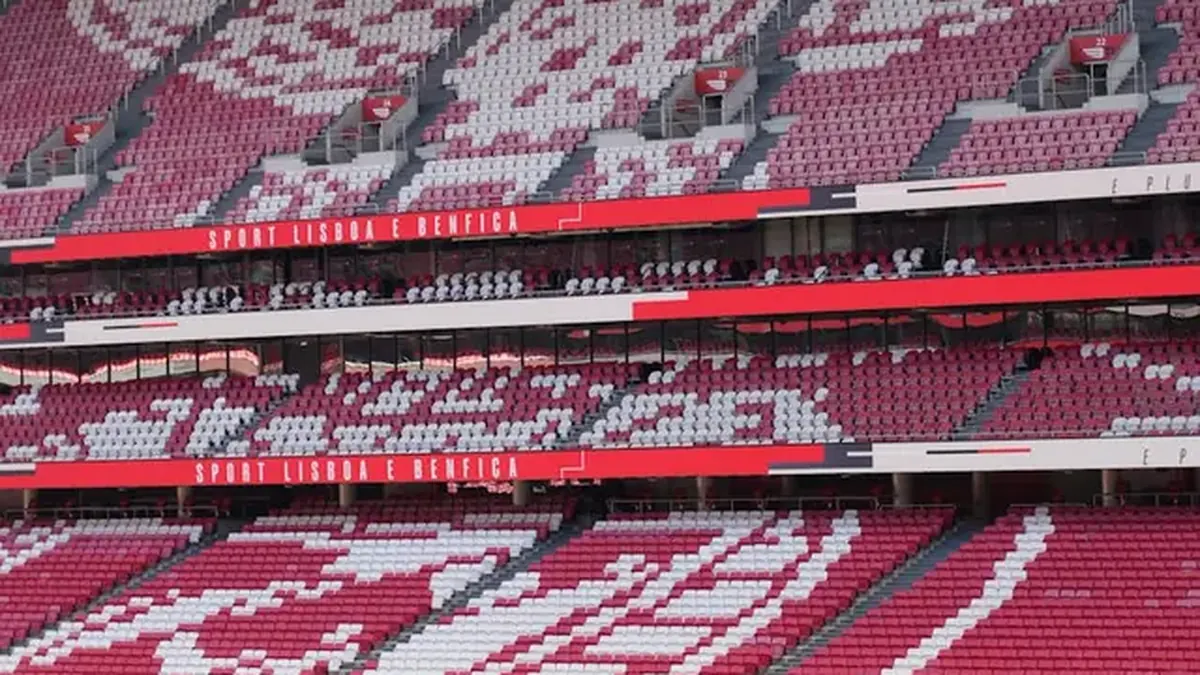
One name to watch: João Neves (Benfica)—technically gifted, tactically intelligent, and already a Portugal international at 20. His age and ceiling make him a player to monitor, though any move would require significant investment.
Checklist action:
- Verify the player's pressing stats (pressures per 90, successful tackles in middle third)
- Check his progressive passes and carries (data from Opta or FBref)
- Ensure he's played at least 1,500 senior minutes this season
3. Target #2: The Left-Wing X-Factor
Player profile: A winger under 22, left-footed or comfortable on the left, with a high dribble success rate and end product in the final third.
Why United needs him: Rashford's form has been a rollercoaster, and while Garnacho is electric, he's still raw. United lacks a reliable left-sided creator who can beat a defender one-on-one and deliver crosses or cut-backs consistently.
One name to watch: Johan Bakayoko (PSV Eindhoven)—explosive, two-footed, and already producing in the Eredivisie. At 21, he's ready for a step up and could be a cost-effective option.
Checklist action:
- Compare his dribble success rate to Garnacho's (aim for 50%+ in 1v1 situations)
- Look at his expected assists (xA) per 90—should be 0.25+ for a creator
- Watch 3 full matches, not just highlights—consistency matters
4. Target #3: The Ball-Playing Center-Back
Player profile: A central defender aged 19–22, comfortable on the ball, capable of stepping into midfield, and with recovery pace to cover behind a high line.

Why United needs him: Lisandro Martínez is excellent but has an injury history; the remaining options lack elite ball progression from the back. The current system demands defenders who can break lines with passes.
One name to watch: Ousmane Diomande (Sporting CP)—physically imposing, quick across the ground, and already comfortable in a high-pressing system. At 20, he's played Champions League football and could be available for a negotiable fee.
Checklist action:
- Check his pass completion rate in the final third (should be 85%+)
- Review his defensive duels won percentage (70%+ is ideal)
- Ensure he's played against top-tier competition (Champions League or top-5 league)
5. The Financial Reality Check
Here's a table summarizing what you're looking at for each profile, based on current market trends (not specific fees—those depend on negotiations and individual clauses):
| Profile | Estimated Age Range | Typical Fee Range | Risk Level | First-Team Readiness |
|---|---|---|---|---|
| Box-to-box midfielder | 20–23 | £40M–£70M | Medium | Can rotate immediately |
| Left winger | 19–22 | £30M–£50M | Low-Medium | Needs 6–12 months adaptation |
| Ball-playing CB | 19–22 | £35M–£60M | Medium-High | Squad role initially |
Key takeaway: United won't sign all three in one window. Prioritize the midfielder—that's the position where a young player can have the biggest immediate impact while also developing long-term value.
6. What to Watch for in the Window
- Official links from Tier 1 sources (David Ornstein, Fabrizio Romano, club channels)—ignore speculative rumors from unreliable outlets.
- Pre-season friendly lineups—if a young target appears in United's summer friendlies, that's a strong signal of interest.
- Outgoing transfers—United may need to sell first (e.g., a winger like Antony or Sancho) to fund these moves. Check our transfer window tracker for updates.
7. Don't Forget the Academy Pipeline
While signing young talent is exciting, United's academy remains a crucial source of first-team players. The 2026 cohort includes several players who could save the club millions:
- Shea Lacey (AM, 18) — creative, left-footed, already training with the first team
- Harry Amass (LB, 18) — athletic, technically sound, natural successor to Luke Shaw
- Ethan Wheatley (ST, 19) — physical, clinical finisher, scored at youth international level
- Compare any external target to academy options—would the signing block a graduate's pathway?
- If the academy player is as good or close, prioritize development over spending
8. Final Checklist: Your Transfer Window Playbook
Here's your quick-reference checklist for evaluating any young player United should sign:
- Fits the tactical system—does the manager's setup need this profile?
- Age curve aligns—should be 19–23 with room to grow
- Proven in a competitive league—not just flashes in weaker competitions
- Reasonable fee relative to budget—no more than 20% of the annual transfer kitty for one prospect
- No blocked pathway—won't stunt an academy graduate's development
- Personality and work rate—check interviews, scouting reports on mentality
- Injury history—review missed games over the last two seasons
The Bottom Line
Manchester United doesn't need another Galáctico signing. It needs smart, targeted investments in young players who fit the system and can grow with the squad. The 2026 window is a chance to build for the long term—not just patch holes for next season.
Keep an eye on the profiles above, trust the data, and remember: the best signings are the ones that make you wonder why no one else spotted them first.
For more on United's academy talent and transfer strategies, check our academy graduates feature and the transfer window hub.
Reader Comments (0)