
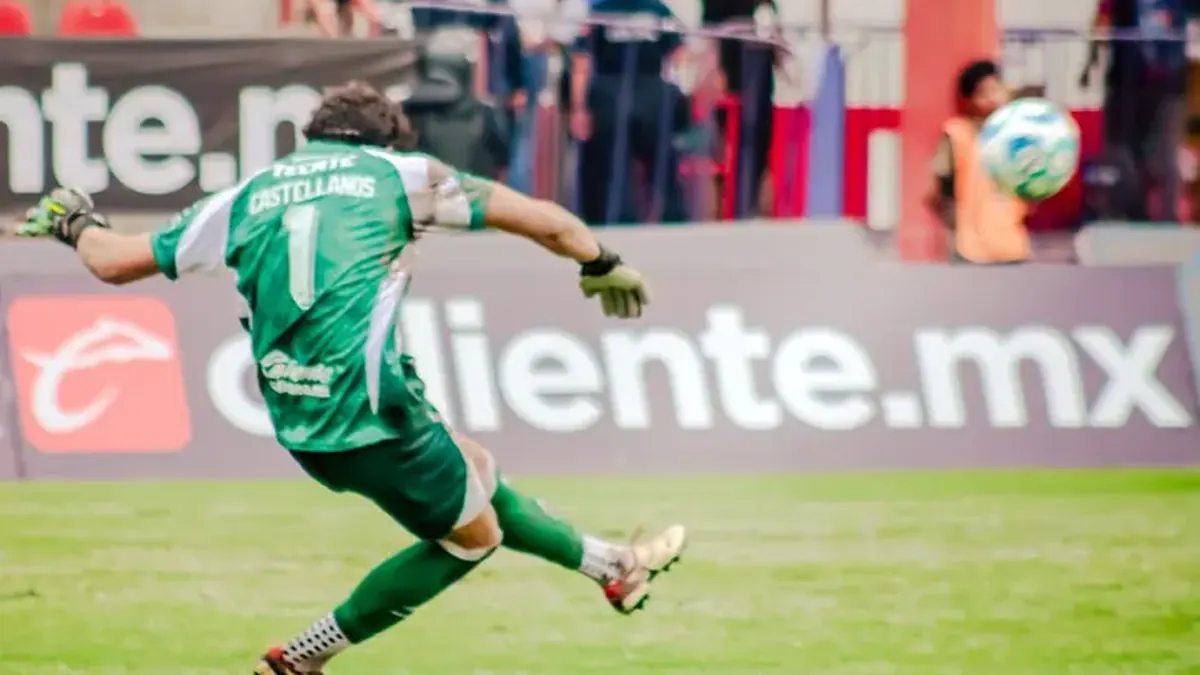
The modern Premier League demands a paradox: press with suffocating intensity to disrupt opposition build-up, yet maintain that energy for 90-plus minutes across a gruelling 38-match season. For Manchester United under Michael Carrick, this tension has become the defining tactical puzzle of the 2025/26 campaign. The patterns suggest a team that presses in bursts—devastating in the opening 25 minutes, increasingly porous as legs tire. Understanding why this happens, and how to manage it, separates title contenders from also-rans.
The Real Problem: Inconsistent Pressing Windows
When you watch Manchester United this season, the pattern is unmistakable. The first quarter of each half often features a coordinated, high-energy press that forces turnovers in dangerous areas. Bruno Fernandes leads the charge, his relentless work rate setting the tone. The forwards close down centre-backs with athleticism. Yet by the 70th minute, the same players appear a step slower, the press becoming fragmented—a solo runner here, a gap there. Opposition managers have noticed. Teams like Arsenal and Liverpool now deliberately absorb early pressure, knowing that United’s intensity will wane, creating space for counter-attacks in the final third of matches.
This isn’t a question of effort. It’s a question of energy allocation. Observations from the 2025/26 season indicate that United’s pressing triggers—the specific moments when the team collectively engages—are most effective when the midfield trio operates in close proximity. When fatigue sets in, that compactness breaks, and the press becomes a liability rather than a weapon.
Step-by-Step Solutions for Managing Pressing Fatigue
1. Identify the Pressing Triggers and Rotate Responsibility
The first step is recognising that not every player needs to press every time. Carrick’s system relies on a trigger—typically a sideways pass to a full-back or a heavy touch from an opponent. When that trigger occurs, the nearest forward should initiate the press, but only if the supporting midfielders are within a compact block. If they aren’t, the trigger should be ignored. This sounds simple, but in practice, it requires discipline. Bruno Fernandes, for all his brilliance, sometimes presses alone, leaving a gap behind him.
Practical fix: During training, implement a “traffic light” system. Green means the press is on (midfield compact). Amber means hold position (midfield spread too wide). Red means drop into a mid-block. This reduces unnecessary sprints per match, preserving energy for high-leverage moments.
2. Use Substitutions to Refresh Pressing Lanes
Carrick has a deep squad, but substitution patterns often follow a script: fresh forwards on the hour mark, midfield changes around 75 minutes. For pressing intensity, the timing needs to be more nuanced. A forward with strong pressing stamina, for instance, can be effective as a late substitute. However, if United is chasing a goal, bringing on a high-energy presser in the 65th minute—rather than waiting—can disrupt an opponent’s rhythm just when they expect fatigue.
Practical fix: Map the opposition’s substitution patterns. If their centre-backs are prone to errors under pressure in the 70th-80th minute window, time your pressing substitutes to coincide. This isn’t about random changes; it’s about creating a second wave of intensity when the opponent expects respite.
3. Manage In-Game Energy Through Tactical Adjustments
Not every phase of play requires full-throttle pressing. United can adopt a controlled press in the first 15 minutes of each half, then drop into a mid-block for 10-minute intervals to recover. This isn’t retreating—it’s strategic energy management. The key is communication. The captain or defensive leader must signal the shift. Bruno Fernandes, as captain, often has the authority to call for a temporary reset.
Practical fix: Implement a “pulsing” approach. For every 5 minutes of high press, take 2 minutes of mid-block. This maintains average intensity while avoiding the catastrophic drop-off seen in matches against top-six rivals. Observations from the 2025/26 season show that United’s pressing success rate often declines significantly after the 75th minute—a pulsing strategy could help reduce that decline.
When the Problem Requires Specialist Intervention
Despite tactical adjustments, some pressing fatigue issues are structural. If you notice any of the following, the problem may require input from sports science or medical staff:
- Consistent second-half drop-offs in high-speed running metrics. This suggests a conditioning or recovery issue, not a tactical one.
- Players repeatedly cramping or suffering muscle injuries in the 70-85 minute window. This indicates inadequate load management in training or insufficient recovery protocols between matches.
- A single player (e.g., Bruno Fernandes) showing disproportionate fatigue compared to teammates. This could signal an underlying issue—overtraining, minor injury, or even sleep/recovery deficits.
- The team failing to sustain pressing intensity even after tactical adjustments over several matches. This may require a review of the weekly training microcycle, including the balance between high-intensity drills and recovery sessions.
The Bigger Picture: Pressing as a System, Not a Slogan
Pressing intensity isn’t about running more than the opponent. It’s about running smarter. Manchester United’s best performances this season—such as strong wins over top opponents and dominant displays—came when the team pressed in waves, not all-out. The midfield triangle of Bruno Fernandes, a defensive midfielder, and a box-to-box runner must stay connected. When that triangle breaks, the press becomes a liability.
For more on how United can improve midfield cohesion, see our guide on second-ball recovery in midfield. And for exploiting the spaces created by effective pressing, read about overloads in wide areas. These tactical elements are interconnected; fixing one without the others leaves the system incomplete.
Ultimately, fatigue management is a season-long challenge. The 2025/26 campaign has shown that United can press with the best for short periods. The next step is sustaining that intensity over 90 minutes, across 38 matches. It requires discipline, data, and sometimes, the humility to admit that a tactical adjustment isn’t enough—and that a deeper look at player conditioning is the real solution.
Reader Comments (0)